Acute right ventricular failure: pathophysiology, aetiology, assessment, and management
European Heart Journal


Abstract
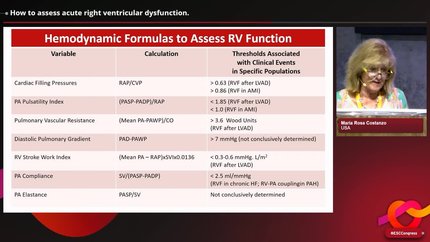
Acute right ventricular failure is a complex and rapidly progressive clinical syndrome, whereby the right ventricle fails to provide adequate left ventricular preload, dilates, and causes systemic venous congestion. Previous research in acute heart failure has primarily focused on the left ventricle. Yet, the need for a better understanding of right ventricular anatomy, physiology, and pathophysiology, as well as of the diagnosis and management of its acute failure is crucial. Diagnosis mandates a high degree of clinical suspicion, as the majority of signs and symptoms are nonspecific. An accurate and prompt identification of the underlying causes, including pulmonary embolism, right ventricular myocardial infarction, acute respiratory distress syndrome, post-cardiac surgery, and decompensated chronic pulmonary hypertension, is therefore essential. This review provides insights into right ventricular anatomy and functioning and discusses the pathophysiology of acute right ventricular failure, its differential aetiologies, clinical presentation, diagnosis, and treatment.
Contributors



You may be interested in