Reduction in inappropriate therapies through device programming in subcutaneous implantable defibrillator patients: data from clinical practice
EP Europace Journal


Abstract
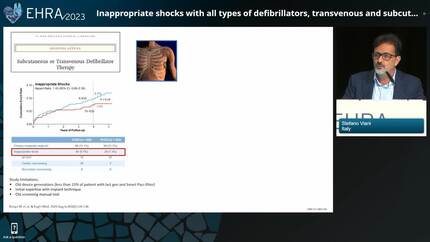
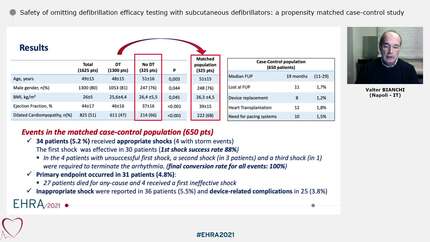
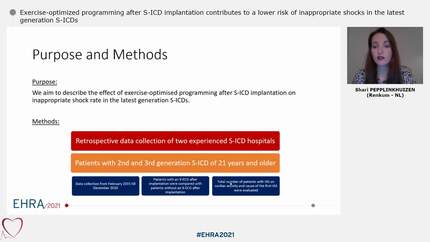
In subcutaneous implantable cardioverter defibrillator (S-ICD) recipients, the UNTOUCHED study demonstrated a very low inappropriate shock rate on programming a conditional zone between 200 and 250 bpm and a shock zone for arrhythmias >250 bpm. The extent to which this programming approach is adopted in clinical practice is still unknown, as is its impact on the rates of inappropriate and appropriate therapies.
We assessed ICD programming on implantation and during follow-up in a cohort of 1468 consecutive S-ICD recipients in 56 Italian centres. We also measured the occurrence of inappropriate and appropriate shocks during follow-up. On implantation, the median programmed conditional zone cut-off was set to 200 bpm (IQR: 200–220) and the shock zone cut-off was 230 bpm (IQR: 210–250). During follow-up, the conditional zone cut-off rate was not significantly changed, while the shock zone cut-off was changed in 622 (42%) patients and the median value increased to 250 bpm (IQR: 230–250) (
In recent years, S-ICD implanting centres have increasingly programmed high arrhythmia detection cut-off rates, at the time of implantation in the case of new S-ICD recipients, and during follow-up in the case of pre-existing implants. This has contributed significantly to reducing the incidence of inappropriate shocks in clinical practice.
URL:
Contributors

Luca Ottaviano
Author
Pietro Palmisano
Author
Fabrizio Caravati
Author

Antonio Pani
Author


Mariolina Lovecchio
Author
Alessandro Vicentini
Author
Foundation IRCCS Policlinic San Matteo - University of Pavia Pavia , Italy
Stefano Viani
Author

Paolo Pieragnoli
Author
Federico Migliore
Author
Gerardo Nigro
Author

Paola Ferrari
Author
Antonio Dello Russo
Author
Antonio Bisignani
Author
You may be interested in