Acute, periprocedural and longterm antithrombotic therapy in older adults 2022 Update by the ESC Working Group on Thrombosis
European Heart Journal


Abstract
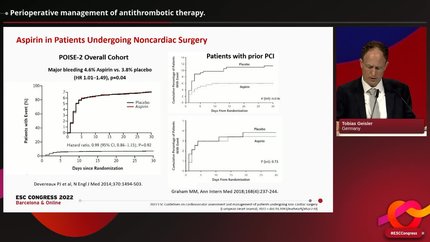
The first international guidance on antithrombotic therapy in the elderly came from the European Society of Cardiology Working Group on Thrombosis in 2015. This same group has updated its previous report on antiplatelet and anticoagulant drugs for older patients with acute or chronic coronary syndromes, atrial fibrillation, or undergoing surgery or procedures typical of the elderly (transcatheter aortic valve implantation and left atrial appendage closure). The aim is to provide a succinct but comprehensive tool for readers to understand the bases of antithrombotic therapy in older patients, despite the complexities of comorbidities, comedications and uncertain ischaemic- vs. bleeding-risk balance. Fourteen updated consensus statements integrate recent trial data and other evidence, with a focus on high bleeding risk. Guideline recommendations, when present, are highlighted, as well as gaps in evidence. Key consensus points include efforts to improve medical adherence through deprescribing and polypill use; adoption of universal risk definitions for bleeding, myocardial infarction, stroke and cause-specific death; multiple bleeding-avoidance strategies, ranging from gastroprotection with aspirin use to selection of antithrombotic-drug composition, dosing and duration tailored to multiple variables (setting, history, overall risk, age, weight, renal function, comedications, procedures) that need special consideration when managing older adults.
Contributors



Jean-Philippe Collet
Author
Bruna Gigante
Author
Diana A Gorog
Author
Sigrun Halvorsen
Author
Gregory Y H Lip
Author
Joao Morais
Author
Eliano Pio Navarese
Author
Carlo Patrono
Author
Bianca Rocca
Author
Andrea Rubboli
Author

Robert F Storey
Author
Freek W A Verheugt
Author
Gemma Vilahur
Author
You may be interested in