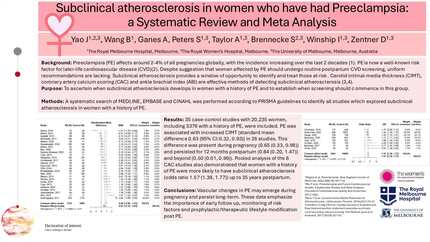
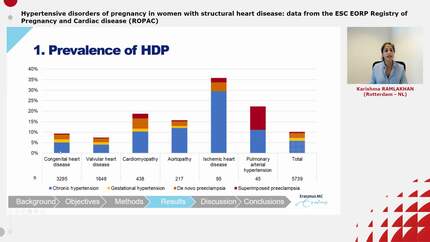
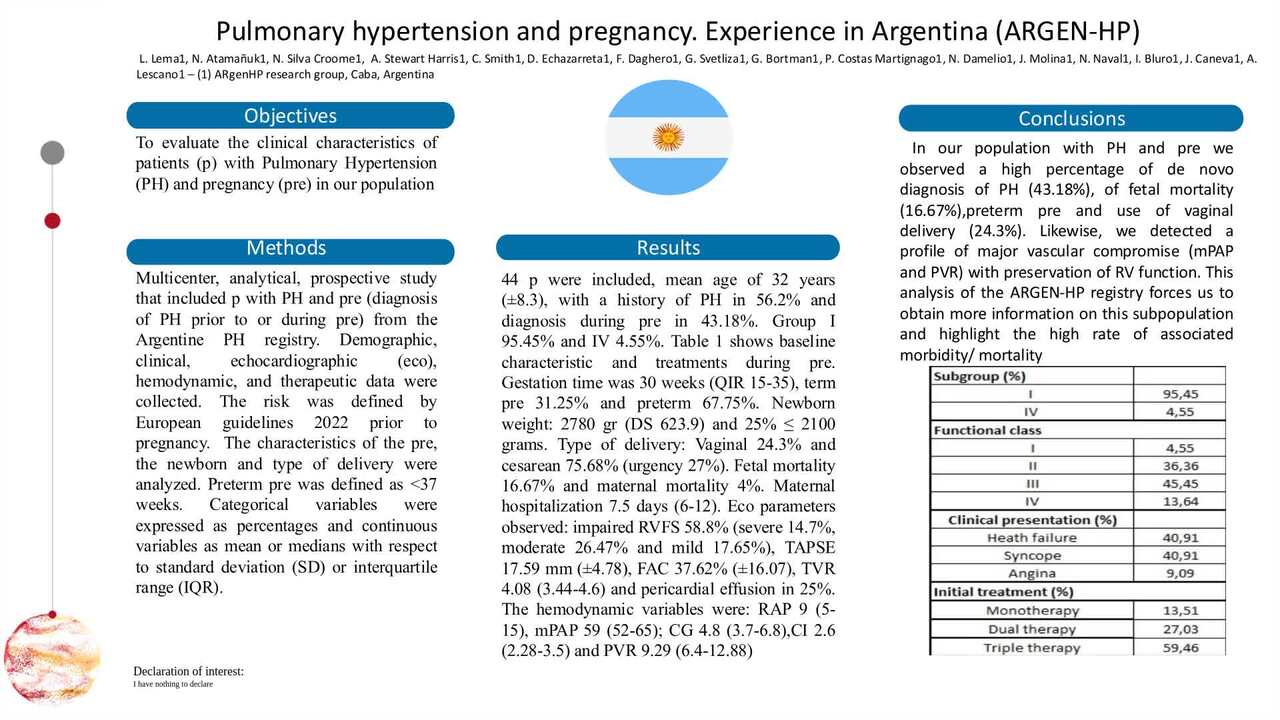
Ultrasound evaluation of placental volume and placental vascular indices in women developing hypertensive disorders in pregnancy compared to controls: a systematic review and meta-analysis
European Heart Journal - Quality of Care and Clinical Outcomes


Abstract
To assess whether first-trimester placental volume (PV) and vascular indices differ between pregnancies that subsequently develop preeclampsia (PE) or gestational hypertension (GH) and normotensive controls.
Following PRISMA guidelines, a systematic review and meta-analysis were carried out across PubMed, Embase, and Web of Science, from inception until March 2025. Cross-sectional, cohort, and case-control studies assessing first-trimester PV or vascular indices in pregnancies developing PE or GH vs. normotensive controls were included. Study outcomes were presented using mean difference (MD) with 95% confidence intervals (CIs) and heterogeneity among studies was assessed using
First-trimester placental volume and vascular indices are lower in pregnancies that subsequently develop PE, but not GH. These findings suggest potential clinical utility, pending prospective validation and standardized measurement.
Contributors

Enrica Zambella
Author
Annalisa Inversetti
Author

Martina Cristodoro
Author

Nicoletta Di Simone
Author
You may be interested in