Myocardial-Specific GRK2 knock-out exacerbates mitochondrial dysfunction in response to ionizing radiation exposure
Cardiovascular Research


Abstract
Radiation-induced heart disease (RIHD) is a recognized long-term complication of thoracic radiotherapy, mainly caused by mitochondrial dysfunction and oxidative stress. G protein-coupled receptor kinase 2 (GRK2), beyond its typical role in G protein-coupled receptors (GPCRs) desensitization, has been linked to mitochondrial dynamics, bioenergetics, and cardiomyocyte health. However, its role in the cardiac mitochondrial response to an acute stimulus such as ionizing radiation (IR) remains poorly understood.
We studied the effects of acute IR exposure in cardiomyocyte-specific GRK2 knockout (Myh-GRK2 KO) mice compared to GRK2 fl/fl (CTR) at 3h and 24h post-irradiation.
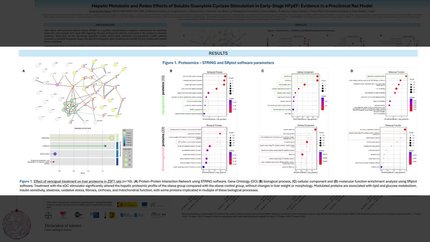
GRK2 deficiency worsens IR-induced cardiac dysfunction, with a significant decrease in ejection fraction and shortening fraction as early as 3h after exposure, persisting at 24h. Proteomic analysis showed that loss of GRK2 impairs the expression of proteins involved in mitochondrial metabolism basally. TEM showed a reduction in mitochondrial number, increased swelling, and an altered cristae structure in Myh-GRK2 KO mice. Importantly, GRK2 deficiency impaired activation of the PINK1/Parkin/DRP1 axis, disrupting mitophagy, while an increase in LC-3 induced autophagy. In CTR mice, GRK2 moved to mitochondria post-IR, supporting mitochondrial biogenesis and integrity.
GRK2 is essential for mitochondrial integrity during acute radiation stress; its absence worsens mitochondrial dysfunction, impairs mitophagy, and leads to cardiac dysfunction post-IR exposure. These results identify GRK2 as a key regulator of mitochondrial health and a therapeutic target for RIHD
Contributors

G Iccarino
Author
S Marzocco
Author
R Romano
Author
P Lenzi
Author
F Fornai
Author
A Carrizzo
Author
F Mensitieri
Author
F Dal Piaz
Author

M R Rusciano
Author
You may be interested in