Correlation between SPECT-MPI and invasive coronary functional assessment: pilot study
European Heart Journal Supplements


Abstract
Angina with nonobstructive coronary arteries (ANOCA) is increasingly recognized and may affect nearly one-half of patients undergoing invasive coronary angiography for suspected ischemic heart disease. While invasive functional assessment with CFR and IMR remains the gold standard, emerging non-invasive methods, such as dynamic SPECT-MPI with myocardial flow reserve (MFR) measurement offer promising screening capabilities. Our institution has established a comprehensive microcirculatory assessment program to optimize patient selection and diagnostic pathways for INOCA/ANOCA evaluation.
Our aim was to evaluate the correlation between non-invasive SPECT-MFR and invasive coronary functional parameters (CFR, IMR).
First 10 consecutive patients enrolled in a systematic INOCA/ANOCA diagnostic program with both SPECT and invasive assessment. Inclusion criteria were: excluded obstructive CAD on invasive coronary angiography and either persistent symptoms suggestive of coronary dysfunction or suspected microcirculatory abnormalities on SPECT. All patients underwent dynamic stress SPECT-MPI using regadenosone, providing global and regional MBF and MFR quantification. Invasive assessment was performed using Pressure Wire X for CFR and IMR measurement, followed by acetylcholine provocation testing for VSA evaluation. Statistical analysis included Pearson correlation coefficients and descriptive statistics appropriate for pilot data.
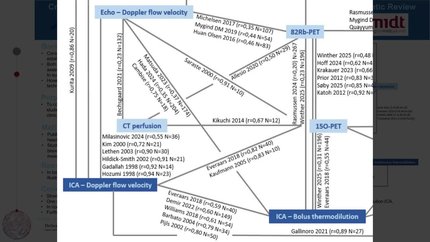
Mean age 64.8, 80% male. SPECT interpretation revealed abnormal studies in 3 patients, with induced perfusion defects in 4 and fixed defects in 1 patient. Mean SPECT-MFR was 2.27 ± 0.53, with normal TID values (0.975). Invasive assessment: CMD was identified in 7 patients, with mean CFR 3.33 and mean IMR 23.5. CMD was found in 4 patients, VSA was diagnosed in 4 patients, whereas 1 patient had combined CMD and VSA. Correlation: SPECT-MFR demonstrated correlation with CFR at r=-0.381, and with IMR at r=-0.277. These correlation coefficients approach values reported in larger validation studies, suggesting potential clinical utility of SPECT-MFR in our patient population. CMD-positive patients showed characteristically impaired microvascular parameters compared to CMD-negative patients (CFR: 2.83 vs 4.50 ; IMR: 28.0 vs 13.0).
Our experience demonstrates correlations between SPECT-MFR and invasive functional parameters. Observed correlation coefficients (r=-0.38 for CFR) are clinically relevant and consistent with published validation data, suggesting that SPECT-MPI can serve as an effective screening tool for patient selection prior to invasive assessment.
Contributors




You may be interested in