Ets1-regulated endothelial-secreted factors promote compact myocardial growth and contribute to the pathogenesis of ventricular non-compaction
Cardiovascular Research


Abstract
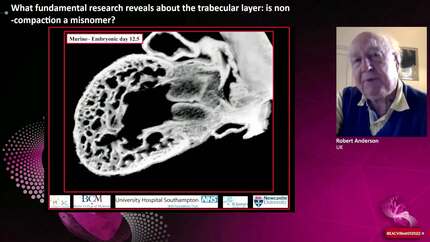
Thinning of the compact myocardium is a major contributor to adverse outcomes in ventricular non-compaction, the third most common form of cardiomyopathy. Endothelial-specific deletion of
To uncover the mechanisms underlying compact myocardium thinning and identify therapeutic endothelial-secreted factors, we performed single-cell RNA sequencing. Aberrant cardiomyocyte and endothelial cell states were observed in non-compacted ventricles. Conditional deletion of
These findings highlight Ets1-regulated endothelial-secreted factors as essential for compact myocardium development and suggest novel therapeutic targets for ventricular non-compaction.
Contributors

Lu Wang
Author
Zeyu Chen
Author
Aiden Tang
Author
Zhe Yu
Author
Bin Zhou
Author
Sylvia M Evans
Author
Ju Chen
Author
You may be interested in