Mutations in the TCAP gene may lead to restrictive phenotype hypertrophic cardiomyopathy with poor prognosis: case report
European Heart Journal - Case Reports


Abstract
Genetic disorders are a significant cause of cardiomyopathies. Mutations in the
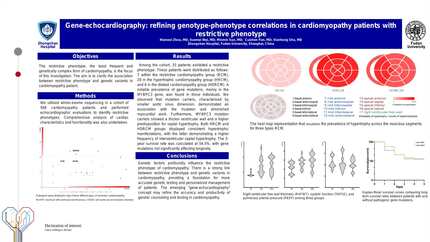
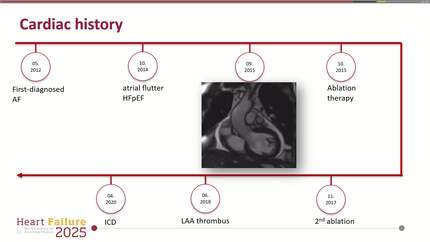
A 47-year-old male presented with heart failure symptoms over a year, which had worsened in the past week. He has a familial history of cardiomyopathy, as his mother was diagnosed with restrictive cardiomyopathy (RCM). Transthoracic echocardiography and cardiac magnetic resonance imaging (CMR) revealed non-obstructive hypertrophic cardiomyopathy (HCM) with severe diastolic dysfunction, biatrial enlargement, preserved ejection fraction, and normal chamber size. Endomyocardial biopsy demonstrated cardiomyocyte hypertrophy and focal fibrosis. The patient was diagnosed with hypertrophic cardiomyopathy with a restrictive phenotype (RP-HCM). Whole exome sequencing identified a frameshift
In conclusion, we report for the first time that a heterozygous
Contributors

Yunwen Hu
Author
Guangzhong Liu
Author
Jie Yuan
Author
Da Yin
Author
Andreas Giannopoulos
Author
Elizabeth Paratz
Author
Andreena Sorina Afana
Author
Carlos Nicolas Perez-Garcia
Author
Annachiara Pingitore
Author
Dimitrios Karelas
Author
You may be interested in