Increasing patient advocacy: The development of patient guidelines for cardio-oncology
European Journal of Cardiovascular Nursing


Abstract
Type of funding sources: None.
As people live longer, many are living with two conditions- cardiovascular disease and cancer. With advancements in treatment in cancer including surgery and immunotherapy and, a relatively new specialty- cardio-oncology- has evolved. As patients can either have a pre-existing cardiovascular condition or present with a cardiac complication such as Acute Coronary Syndrome or Atrial Fibrillation during cancer treatment, there is a need for cardiovascular assessment prior to, during and after cancer treatment.
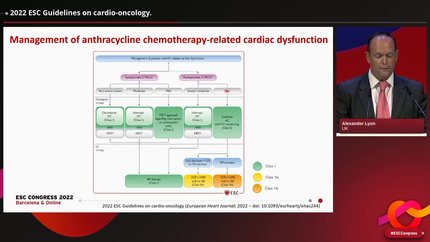
The first cardio-oncology guidelines were released in 2022 for use in clinical practice that is aimed at clinicians. Despite increased involvement of patients in the research process, the evidenced-based results are not always written in ‘patient’ friendly language. Often lay summaries and thus the practical aspects of the condition or treatment are not available to patients and their families.
Given the need to be more inclusive and make research findings and guidelines more patient friendly, the aim was to develop patient guidelines for
The ESC clinical practice guidelines on cardio-oncology for patients were written by a multidisciplinary team of healthcare professionals, including doctors, nurses, scientists and patients, and are intended mainly for use in clinics and hospitals with the aim of ensuring the language was inclusive and non-technical.
Guidelines are useful in making diagnoses and deciding on treatment using the most up-to-date medical and scientific evidence to ensure that patients receive the most appropriate care. The guidelines outline recommendations on (i) Being treated by a multidisciplinary cardio-oncology team, (ii) Looking after your heart health, during and after cancer treatment, (iii) Paying particular attention to your heart health if you have previously had a heart attack, a stroke, an arrhythmia (irregular heartbeat) or you have high blood pressure, diabetes or high cholesterol and (iv) Making appropriate healthy lifestyle choices. A final version was published in late 2022 and the plan is to translate thee guidelines into several languages so they can be widely used and disseminated.
These guidelines demonstrate how clinicians and patients can work collaboratively to develop patient-friendly guidelines that can be used in practice and potentially optimise the shared-decision making process between patients and their healthcare team.
Contributors


T Lopez Fernandez
Author
You may be interested in