Atrial septal defect in adulthood: a new paradigm for congenital heart disease
European Heart Journal


Abstract
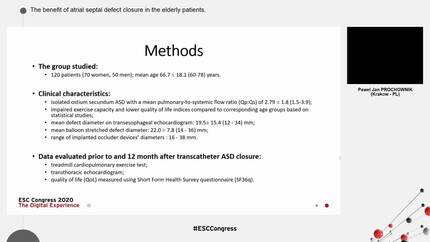
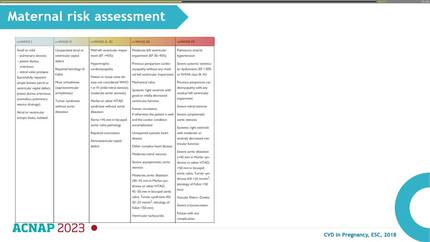
Atrial septal defects (ASDs) represent the most common congenital heart defect diagnosed in adulthood. Although considered a simple defect, challenges in optimal diagnostic and treatment options still exist due to great heterogeneity in terms of anatomy and time-related complications primarily arrhythmias, thromboembolism, right heart failure and, in a subset of patients, pulmonary arterial hypertension (PAH). Atrial septal defects call for tertiary expertise where all options may be considered, namely catheter vs. surgical closure, consideration of pre-closure ablation for patients with atrial tachycardia and suitability for closure or/and targeted therapy for patients with PAH. This review serves to update the clinician on the latest evidence, the nuances of optimal diagnostics, treatment options, and long-term follow-up care for patients with an ASD.
Contributors


Massimo Chessa
Author
David Celermajer
Author
Wei Li
Author
Tal Geva
Author
Paul Khairy
Author
Massimo Griselli
Author
Helmut Baumgartner
Author
Michael A Gatzoulis
Author
You may be interested in