Prognostic implications of atrial vs. ventricular functional tricuspid regurgitation
European Heart Journal - Cardiovascular Imaging


Abstract
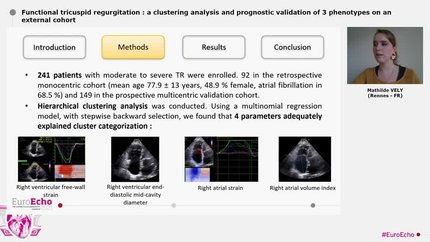
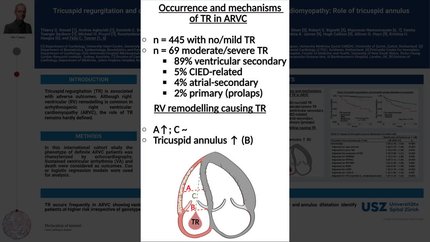
Atrial functional tricuspid regurgitation (AFTR) has shown distinctive pathophysiological and anatomical differences compared with ventricular functional tricuspid regurgitation (VFTR) with potential implications for interventions. However, little is known about the difference in long-term prognosis between these two FTR-aetiologies, which was investigated in the current study.
Patients with severe FTR were divided into two aetiologies, based on echocardiography: AFTR and VFTR. VFTR was further subdivided into (i) left-sided cardiac disease; (ii) pulmonary hypertension; and (iii) right ventricular dysfunction. Long-term mortality rates were compared and independent associates of all-cause mortality were investigated.
A total of 1037 patients with severe FTR were included, of which 129 patients (23%) were classified as AFTR and compared with 425 patients (78%) classified as VFTR and in sinus rhythm. Of the 425 VFTR patients, 340 patients (61%) had left-sided cardiac disease, 37 patients (7%) had pulmonary hypertension, and 48 patients (9%) had right ventricular dysfunction. Cumulative 10-year survival rates were significantly better for patients with AFTR (78%) compared with VFTR (46%, log-rank
Patients with AFTR had significantly better survival as compared with patients with VFTR, as well as all VFTR subtypes, independently of other clinical and echocardiographic characteristics.
Contributors




You may be interested in