Perioperative management in a patient with panhypopituitarism – evidence based approach: a case report
European Heart Journal - Case Reports


Abstract
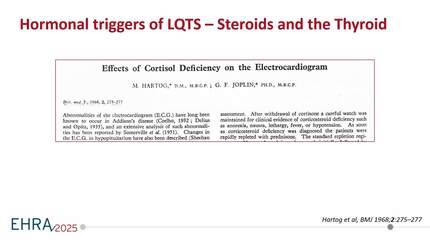
Hypopituitarism is characterized by partial or complete deficiency of vital endocrinological hormones such as steroid and thyroid hormones. Generally, normal individual can exhibit 2- to 10-folds rise in serum cortisol levels during stressful period. But patients with panhypopituitarism are more prone to develop metabolic and haemodynamic instability particularly during stressful perioperative period. This can potentially increase significant morbidity and mortality.
A 62-year-old female patient presented with breathlessness on exertion. Her coronary angiography revealed critical triple vessel coronary artery disease, and she was scheduled for coronary artery bypass grafting surgery. She had been diagnosed with Sheehan’s syndrome (postpartum hypopituitarism) since 20 years. She was taking steroid and thyroxine regularly. After uneventful off-pump coronary artery bypass grafting surgery, patient had severe haemodynamic compromise with Addisonian crisis in the post-operative phase. Left ventricular dysfunction was refractory to maximal inotropic therapy. Addisonian crisis was treated with higher ‘Stress doses’ of intravenous hydrocortisone and routine oral thyroxin.
Acute Addisonian crisis after stressful surgery is a life-threatening complication. Evidence-based approach plays an important role in appropriate biochemical assessments and specific therapeutic decisions regarding hormonal over-replacement or under-replacement in the perioperative period.
Contributors

Sibashankar Kar
Author
Arun Maheshwari
Author
Ganesh Shivnani
Author
Sumir Dubey
Author
John Camm
Author
Rafael Vidal-Perez
Author
Ozge Tok
Author
Mark Philip Cassar
Author
Peregrine Green
Author
You may be interested in