Automated categorization of virtual reality studies in cardiology based on the device usage: a bibliometric analysis (2010–2022)
European Heart Journal - Digital Health


Abstract
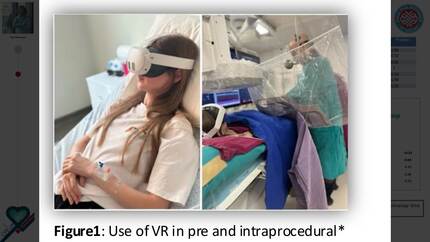
Currently, virtual reality (VR) constitutes a vital aspect of digital health, necessitating an overview of study trends. We classified type A studies as those in which health care providers utilized VR devices and type B studies as those in which patients employed the devices. This study aimed to analyse the characteristics of each type of studies using natural language processing (NLP) methods.
Literature related to VR in cardiovascular research was searched in PubMed between 2010 and 2022. The characteristics of studies were analysed based on their classification as type A or type B. Abstracts of the studies were used as corpus for text mining. A binary logistic regression model was trained to automatically categorize the abstracts into the two study types. Classification performance was evaluated by accuracy, precision, recall, F-1 score, and c-statistics of the receiver operator curve (ROC) analysis. In total, 171 articles met the inclusion criteria, where 120 (70.2%) were type A studies and 51 (29.8%) were type B studies. Type A studies had a higher proportion of case reports than type B studies (18.3% vs. 3.9%,
NLP methods revealed the characteristics of the two types of VR-related research in cardiology.
Contributors


Yuta Watanabe
Author
Yusuke Akazawa
Author
Toru Miyoshi
Author
Hiroshi Kawakami
Author
Fumiyasu Seike
Author
Haruhiko Higashi
Author
Takayuki Nagai
Author
Kazuhisa Nishimura
Author

Shuntaro Ikeda
Author
Osamu Yamaguchi
Author
You may be interested in