Patients selected for dual pathway inhibition in clinical practice have similar characteristics and outcomes to those included in the COMPASS randomized trial: The XATOA Registry
European Heart Journal - Cardiovascular Pharmacotherapy


Abstract
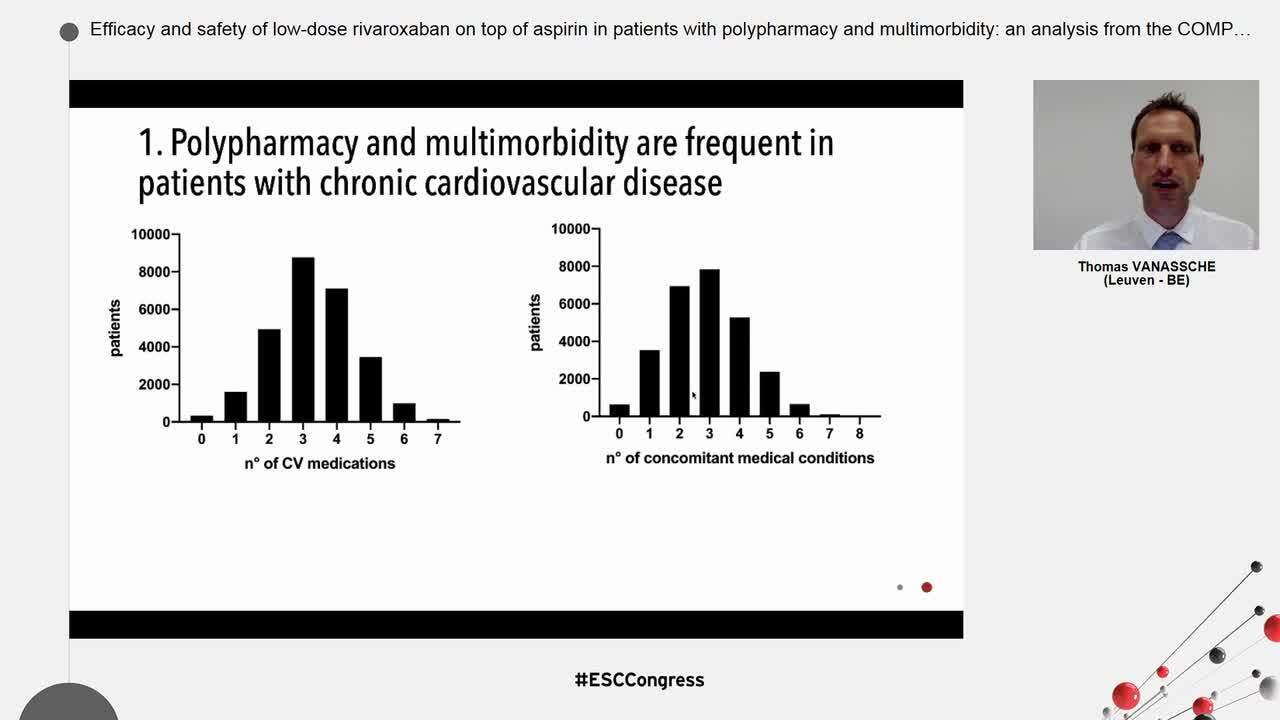
To determine the characteristics of patients with coronary artery disease (CAD), peripheral artery disease (PAD), or both, initiating dual pathway inhibition (DPI) using rivaroxaban 2.5 mg twice daily plus aspirin, and to report their clinical outcomes and bleeding rates in clinical practice compared to the COMPASS randomized trial, which provided the basis for using DPI in this patient population.
XATOA is a prospective registry of 5532 patients: of which, 72.7% had CAD, 58.9% had PAD, and 31.6% had both. The mean age of patients was 68 years and 25.5% were women. The mean follow-up period was 15 months. The most frequently reported reason for initiating DPI was the presence of existing, worsening or newly diagnosed risk characteristics (
High-risk vascular patients are prioritized for DPI in clinical practice, and rates of MACE are similar to COMPASS, but MALE rates are higher in XATOA, consistent with the greater proportion of PAD patients. Major bleeding rates were lower in XATOA. The findings provide support for favourable net clinical benefit of DPI in high-risk vascular patients.
The characteristics of patients initiated on dual pathway inhibition (DPI: rivaroxaban 2.5 mg twice daily plus aspirin) have not previously been defined in clinical practice and the XATOA registry findings demonstrate patient outcomes are consistent with those of the COMPASS trial, despite geographic differences in recruitment and the higher proportion of PAD patients.
Contributors

Keith A A Fox
Author
University of Edinburgh Edinburgh , United Kingdom of Great Britain & Northern Ireland

Victor Aboyans
Author
E Sebastian Debus
Author

Martin R Cowie
Author
Manesh Patel
Author
Robert C Welsh
Author
Jackie Bosch
Author
Alain Gay
Author
Kai Vogtländer
Author
Sonia S Anand
Author
You may be interested in