New myocardial infarction definition affects incidence, mortality, hospitalization rates and prognosis
European Journal of Preventive Cardiology


Abstract
To analyse differences in myocardial infarction incidence, mortality and hospitalization rates, 28-day case-fatality and two-year prognosis using two myocardial infarction case definitions: the classical World Health Organization definition (1994) and the European Society of Cardiology/American College of Cardiology definition (2000), which added cardiac troponin as a diagnostic biomarker.
Population-based cohort of 4170 consecutive myocardial infarction patients aged 35–74 years from Girona (Spain) recruited between 2002 and 2009.
Incidence, mortality rates standardized to the European population and 28-day case-fatality were calculated. To estimate the association between case definition and prognosis, Cox models were fitted.
Use of the 2000 European Society of Cardiology/American College of Cardiology definition significantly increased myocardial infarction incidence per 100,000 population (238.3
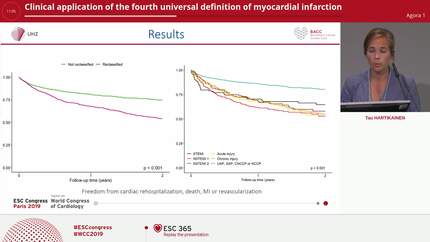
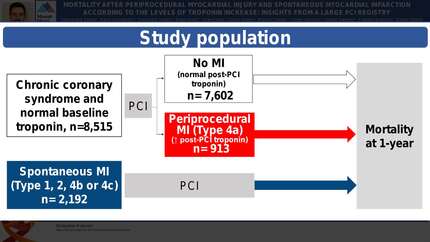
Inclusion of cardiac troponins in myocardial infarction diagnosis increased annual incidence and decreased case-fatality. Diagnosis based only on increased troponins was associated with worse outcome. This group of patients at high risk of death should receive aggressive secondary prevention therapy.
Contributors

Fernando Agüero
Author
Jaume Marrugat
Author
Roberto Elosua
Author
Joan Sala
Author
Rafael Masiá
Author
Rafel Ramos
Author
María Grau
Author
You may be interested in