Inhibiting cardiac myeloperoxidase alleviates the relaxation defect in hypertrophic cardiomyocytes
Cardiovascular Research


Abstract
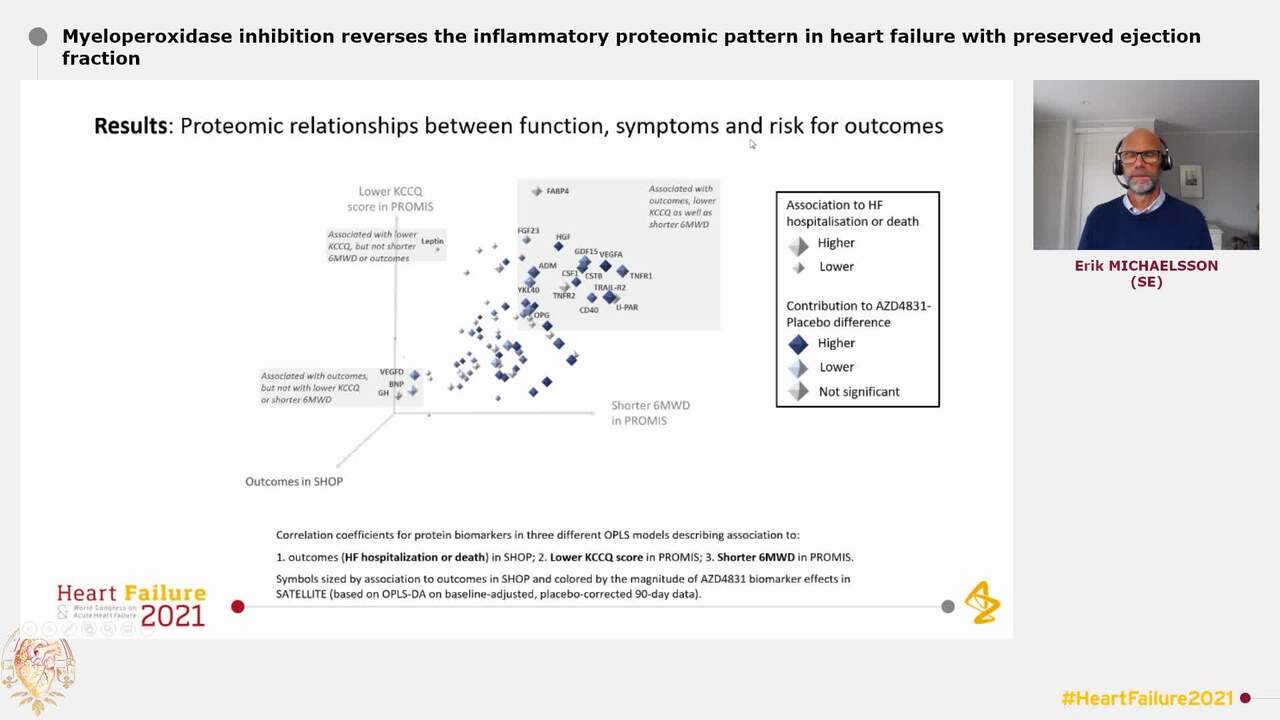
Hypertrophic cardiomyopathy (HCM) is characterized by cardiomyocyte hypertrophy and disarray, and myocardial stiffness due to interstitial fibrosis, which result in impaired left ventricular filling and diastolic dysfunction. The latter manifests as exercise intolerance, angina, and dyspnoea. There is currently no specific treatment for improving diastolic function in HCM. Here, we investigated whether myeloperoxidase (MPO) is expressed in cardiomyocytes and provides a novel therapeutic target for alleviating diastolic dysfunction in HCM.
Human cardiomyocytes derived from control-induced pluripotent stem cells (iPSC-CMs) were shown to express MPO, with MPO levels being increased in iPSC-CMs generated from two HCM patients harbouring sarcomeric mutations in the
This study demonstrates that MPO inhibition alleviates the relaxation defect in hypertrophic iPSC-CMs through MYBPC3 phosphorylation. These findings highlight cardiomyocyte MPO as a novel therapeutic target for improving myocardial relaxation associated with HCM, a treatment strategy which can be readily investigated in the clinical setting, given that MPO inhibitors are already available for clinical testing.
Contributors

Chrishan J A Ramachandra
Author
Myu Mai Ja Kp
Author
Jasper Chua
Author
Sauri Hernandez-Resendiz
Author

Ralph Knöll
Author
Li-Ming Gan
Author
Erik Michaëlsson
Author
Katarina Ryden-Markinhuhta
Author
Ratan V Bhat
Author
Regina Fritsche-Danielson
Author
Ying-Hsi Lin
Author
Sakthivel Sadayappan
Author
Hak Chiaw Tang
Author
Philip Wong
Author
Winston Shim
Author

You may be interested in