Sipuleucel-T Associated Inflammatory Cardiomyopathy: A Case Report and Observations from a Large Pharmacovigilance Database
ESC Heart Failure


Abstract
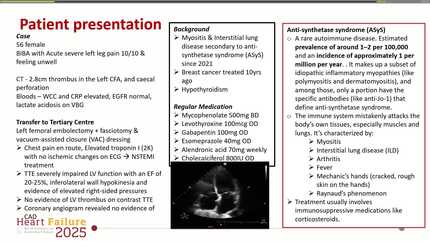
The major cardiovascular (CV) adverse effects observed with sipuleucel-T from large multi-institutional clinical trials included thromboembolic events, myocardial infarction, and congestive heart failure in up to 0.3% of patients with CV risk factors. The incidence, outcomes, and mechanisms in real-world clinical settings of these CV adverse effects to date have not been fully elucidated. Our study identified a patient with sipuleucel-T-induced inflammatory cardiomyopathy, which led to the identification of CV adverse effects associated with sipuleucel-T from a large pharmacovigilance database and elucidation of its potential mechanisms.
Using the MedDRA term ‘cardiac disorders’ (System Organ Class level), CV adverse events associated with sipuleucel-T versus all other drugs were reviewed from VigiBase, a large pharmacovigilance database. Disproportionality analysis was calculated by the information component (IC), a Bayesian disproportionality indicator. A positive IC025 (IC 95% lower end credibility interval) value (>0) is the traditional threshold used in statistical signal detection at the Uppsala Monitoring Centre. From VigiBase, the total number of CV adverse drug reaction reported with sipuleucel-T was 306 out of a total of 22 980 104 adverse drug reactions in VigiBase on 10/25/2020. MedDRA preferred terms levels were grouped into major CV adverse drug reaction categories where we observed significant reports of myocardial ischaemia, supraventricular tachycardia (particularly atrial fibrillation/atrial flutter), congestive heart failure, and valvular disorders. Myocardial ischemia included acute myocardial infarction (IC025 2.3) with
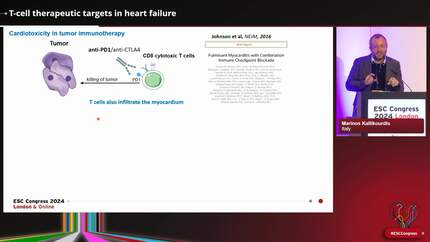
Patients with CV risk factors who are receiving sipuleucel-T may be at higher risk for congestive heart failure, myocardial ischemia, and supraventricular tachycardia. Electrocardiograms during weekly sipuleucel-T infusions and left ventricular function monitoring with echocardiogram should be considered in these patients. Our findings are suggestive of another rare presentation of T-cell-mediated CV toxicity with cancer immunotherapy.
Contributors

Rahim A. Jiwani
Author
Kotaro Takeda
Author
Karyn Prenshaw
Author
R. Wayne Kreeger
Author
John Inzerillo
Author
Darla K. Liles
Author
C. Bogdan Marcu
Author
Bénédicte Lebrun-Vignes
Author
D. Lynn Morris
Author
Sivakumar Ardhanari
Author

You may be interested in