The Valvular Heart Disease in Women (VHD-W) Registry: a global initiative to address gender disparities in management and outcomes
European Heart Journal - Imaging Methods and Practice


Abstract
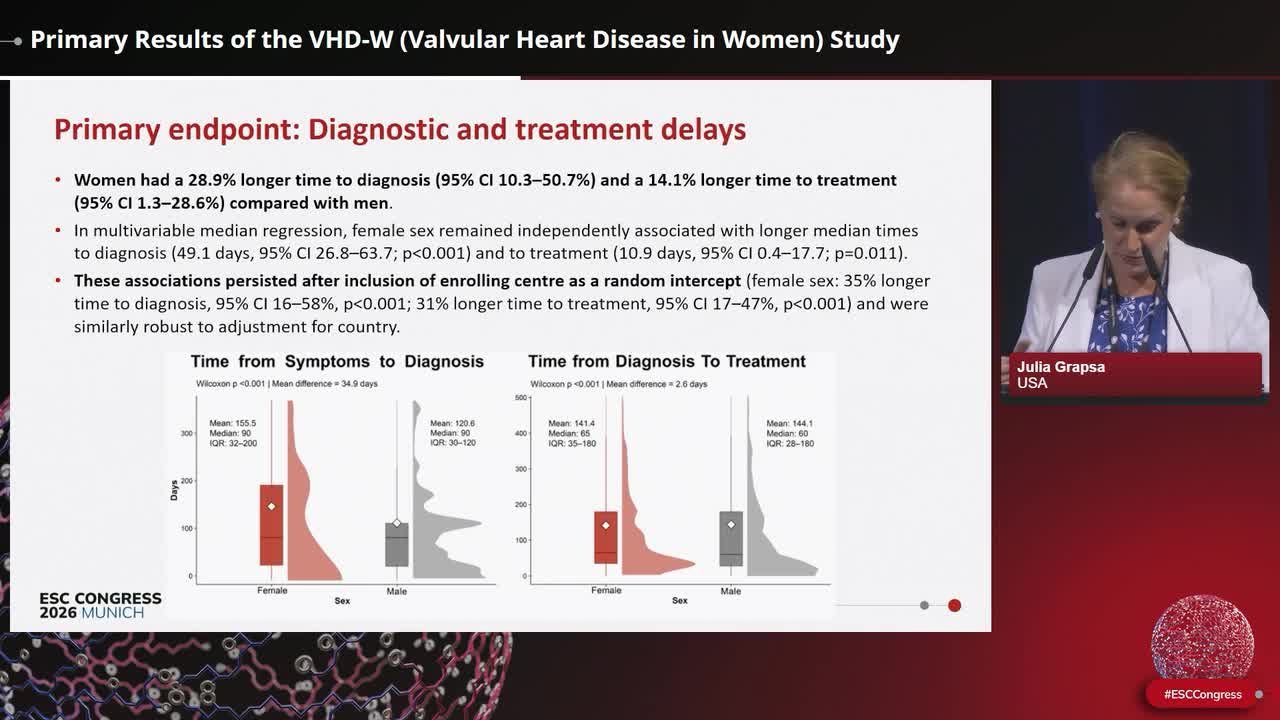
Valvular heart disease is a leading cause of cardiovascular morbidity and mortality globally, with women experiencing delayed referrals, difficulties recognizing atypical symptoms, and suboptimal adherence to guideline-based therapies, resulting in worse outcomes. However, the literature identifying these disparities remains limited, underscoring the need for a comprehensive registry to address these gaps. The Valvular Heart Disease in Women Registry (VHD-W) aims to provide real-world insights into gender differences by examining treatment patterns, guideline adherence, and clinical results.
The VHD-W is an international, multicenter, non-commercial, investigator-initiated, multipurpose registry endorsed by the European Association of Cardiovascular Imaging. The VHD-W involves adult patients with moderate-to-severe valvular heart disease admitted, either urgently or electively, to the cardiology inpatient service. The study aims to enrol 800 patients, balanced between genders, across more than 70 centres worldwide, over a 6-month period from the registry inception in March 2024 until the end of December 2025. Data will be collected at inpatient admission, inpatient discharge, and 1-year follow-up, including demographics, medical history, physical examination, biomarkers, echocardiography, other imaging results, and management. Conclusion The VHD-W is the first registry to focus on gender disparities in valvular heart disease in a real-world setting, aiming to fill a significant management gap that will help develop gender-specific, evidence-based guidelines for valvular heart disease.
Contributors



Naeimeh Hosseini
Author


Steffen E Petersen
Author
Queen Mary University of London London , United Kingdom of Great Britain & Northern Ireland
Victoria Delgado
Author

Ana G Almeida
Author
Julia Grapsa
Author
You may be interested in