
Doctor Zhehao Dai
The University of Tokyo, Tokyo (Japan)
Follow
Biography
Dr. Zhehao Dai is a young cardiologist at The University of Tokyo Hospital, Tokyo, Japan. He has great interest in chronic and acute heart failure, acute and intensive cardiac care, cardiovascular imaging, and pulmonary circulation. He has been dedicated in clinical research projects regarding the above-mentioned fields in the past decade in multiple institutes.

Contributor content

Presentation
Serum exosomal microRNAs in patients with heart failure are correlated with myocardial DNA damage and future reverse remodeling

Presentation
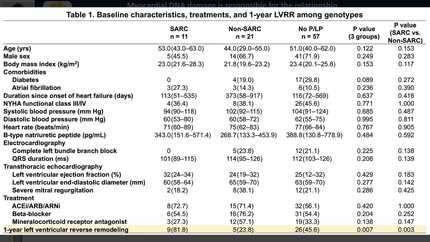
Myocardial DNA damage is responsible for the relationship between genotype and treatment response in patients with dilated cardiomyopathy
Presentation
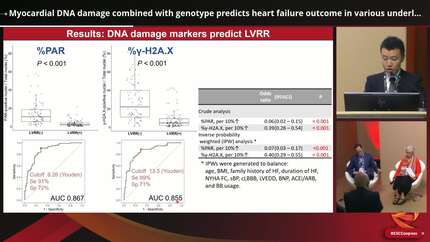
Myocardial DNA damage combined with genotype predicts heart failure outcome in various underlying diseases

Presentation
Percutaneous transluminal septal myocardial ablation markedly reduces energy loss in hypertrophic obstructive cardiomyopathy: a four-dimensional flow magnetic resonance imaging study

Presentation
An exploratory analysis for the optimal monitoring interval of N-terminal pro-B-type natriuretic peptide in patients with stable heart failure

Presentation

