
Assistant Professor Baravan Al-Kassou
University hospital Bonn, Bonn (Germany)
Membership:
ESC Professional Member
Biography
Asst. Prof. Dr. Baravan Al-Kassou is a consultant interventional cardiologist and clinical researcher at the Heart Center of the University Hospital Bonn, Germany. His research focuses on structural heart interventions, particularly in patients with severe aortic stenosis. His efforts aim to optimize risk stratification and enhance the safety of interventional cardiac procedures. Additionally, his research addresses optimal treatment strategies and timing for patients with multiple valvular heart diseases.
Furthermore, Asst. Prof. Dr. Al-Kassou is actively engaged in investigating the complex genetic architecture underlying aortic valve diseases, including bicuspid aortic valve and aortic stenosis. He serves as a Project Leader of GUARD (Genes Underlying Aortic Valve Disease), a project funded by the German Research Foundation. Through this initiative, Asst. Prof. Dr. Al-Kassou leads efforts to elucidate the genetic risk factors associated with the development of aortic diseases.

Contributor content

Presentation
Prevalence of multiple native valvular heart disease in TAVR patients: a multicenter study assessing the impact of staged transcatheter edge-to-edge repair

Presentation
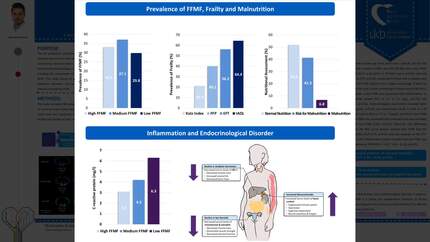
The CT-derived fat-free muscle fraction is associated with inflammation and predicts outcome in patients with aortic stenosis undergoing TAVR

Presentation
Cholesterol crystal dissolution rate of serum is associated with iliofemoral calcification and predicts outcomes in patients undergoing TAVR
Presentation
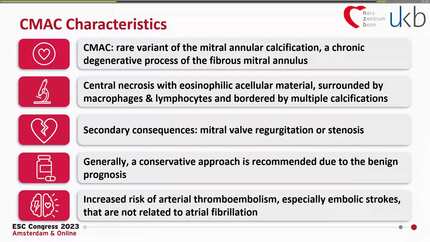
Myocardial infarction with ST-segment elevation caused by caseous mitral annular calcification
Presentation
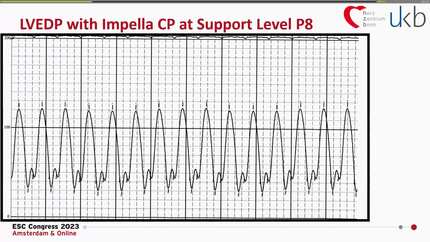
Hemodynamic effects and challenges of combined use of extracorporeal membrane oxygenation and ventricular support for refractory cardiogenic shock: a case report

Presentation
Safety and efficacy of protamine administration for prevention of bleeding complications in patients with recent PCI undergoing TAVR
Presentation
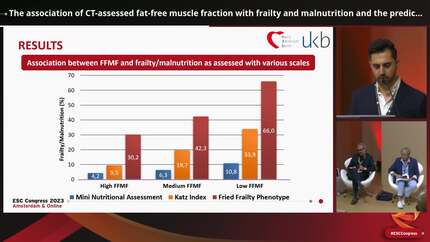
The association of CT-assessed fat-free muscle fraction with frailty and malnutrition and the predictive value of their combination in patients undergoing TAVR
Presentation
Incidence and management of multiple native valvular heart disease in patients undergoing TAVR: Impact of staged valvular interventions on outcomes

Presentation
Optimal protamine-to-heparin dosing ratio for the prevention of bleeding complications in patients undergoing TAVR - a multicentre experience

Presentation

