
Doctor Jorge Arturo Ortega-Hernandez
Instituto Nacional de Cardiologia Ignacio Chavez, Ciudad de Mexico (Mexico)
Membership:
FESC Member
ACVC Member
Biography
Dr. Jorge Arturo Ortega-Hernández is a Mexican internist and cardiologist specialized in cardiovascular emergencies and coronary intensive care, with a particular focus on cardiogenic shock and advanced hemodynamics. He works at the Instituto Nacional de Cardiología Ignacio Chávez in Mexico City and collaborates with international centers on multi-center registries and device-based therapies for acute heart failure and cardiogenic shock. He is certified by the national boards of Internal Medicine and Cardiology in Mexico and is a Fellow of the European Society of Cardiology (FESC)
His main areas of expertise include pulmonary artery catheter–guided management, pressure–volume loop reconstruction from invasive and echocardiographic data, mechanical circulatory support (especially Impella, IABP and ECMO).

Contributor content
Presentation
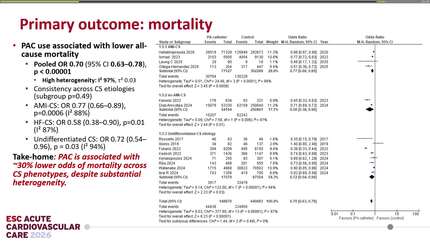
Pulmonary artery catheter monitoring in cardiogenic shock a systematic review and meta-analysis

Presentation
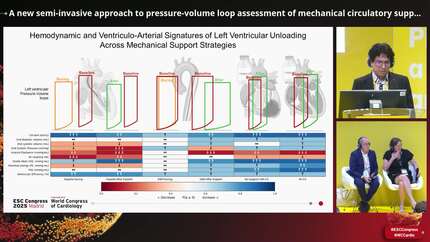
A new semi-invasive approach to pressure-volume loop assessment of mechanical circulatory support in cardiogenic shock
Presentation
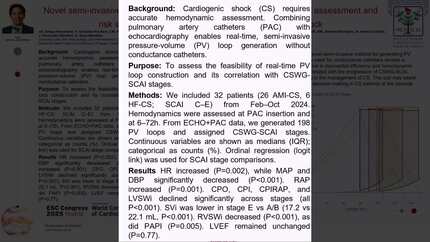
Novel semi-invasive pressure-volume loop analysis for hemodynamic assessment and risk stratification across SCAI stages in cardiogenic shock
Presentation
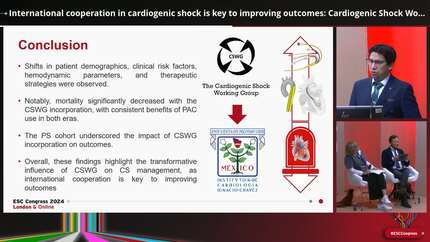
International cooperation in cardiogenic shock is key to improving outcomes: Cardiogenic Shock Working Group impacts a single-center in a developing country.
Presentation
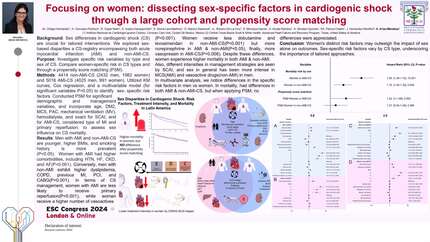
Focusing on women: dissecting sex-specific factors in cardiogenic shock through a large cohort and propensity score matching
Presentation
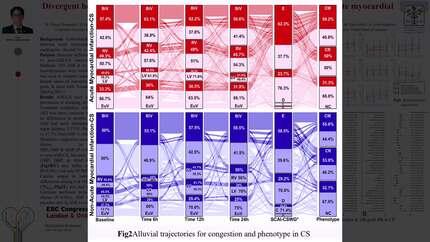
Divergent hemometabolic dynamics: understanding the differences between acute myocardial infarction and heart failure related cardiogenic shock.
Presentation
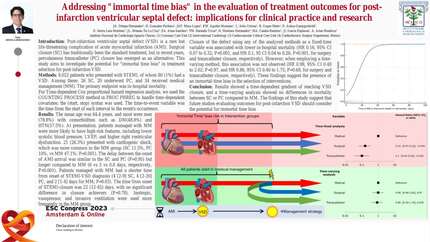
Addressing "immortal time bias" in the evaluation of treatment outcomes for post-infarction ventricular septal defect: implications for clinical practice and research
Presentation
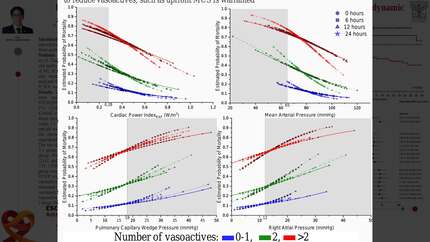
Higher number vasopressor usage linked to poorer outcomes despite obtaining hemodynamic goals in acute myocardial infarction complicated by cardiogenic shock
Presentation
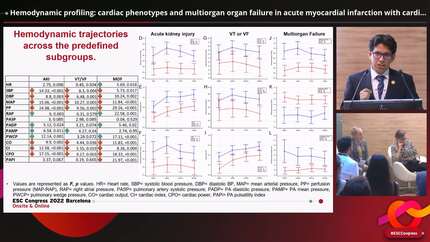
Hemodynamic profiling: cardiac phenotypes and multiorgan organ failure in acute myocardial infarction with cardiogenic shock

Presentation

