Pulmonary Arterial Hypertension: From Diagnosis to Long-Term Management
Knowledge Track

Pulmonary Arterial Hypertension PAH remains one of the most clinically demanding conditions in cardiology: a rare, progressive disease where delayed diagnosis is common, risk stratification directly drives treatment choice, and the therapeutic landscape is shifting faster than most practice patterns can follow.
This Knowledge Track presents key evidence structured around the five clinical decisions that define PAH management today: confirming the diagnosis and classifying disease, applying risk stratification in practice, selecting the right upfront therapy, recognising treatment failure and escalating appropriately, and preparing for the novel mechanisms now entering clinical use, with each decision connecting evidence directly to clinical application.
Content selected and curated by ESC.
START HERE - Track Introduction
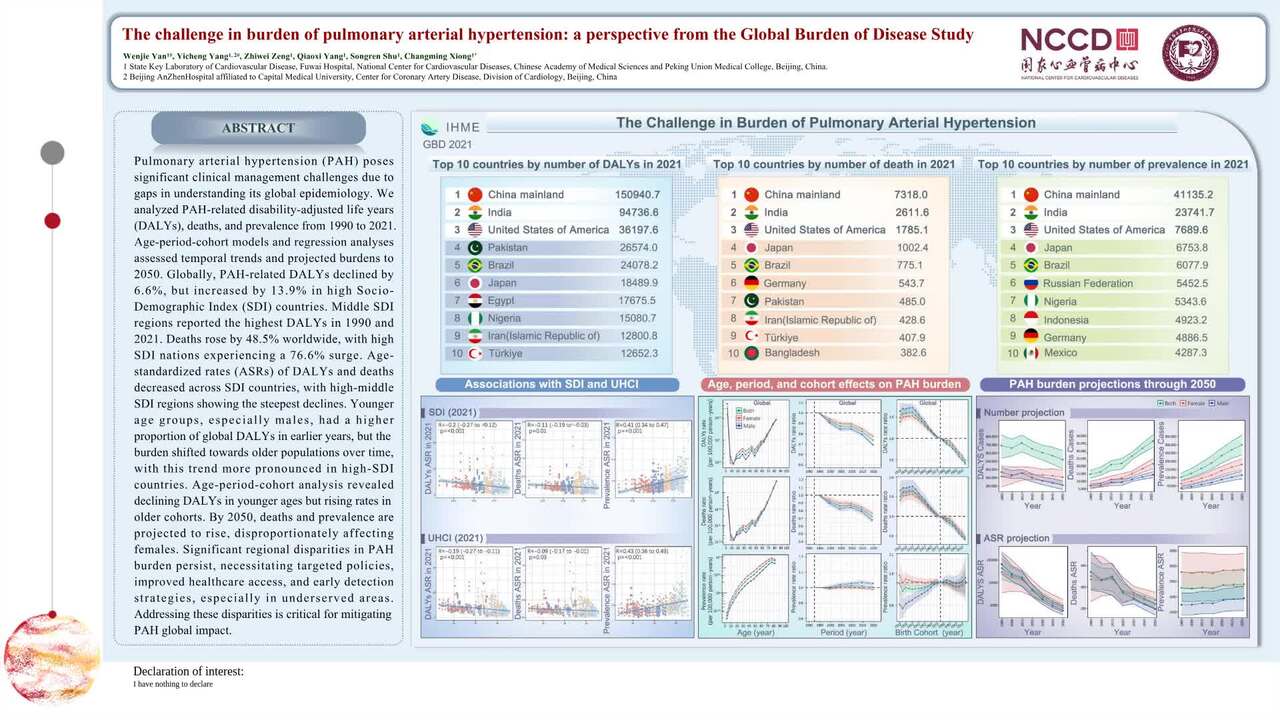
The challenge in burden of pulmonary arterial hypertension: a perspective from the Global Burden of Disease Study

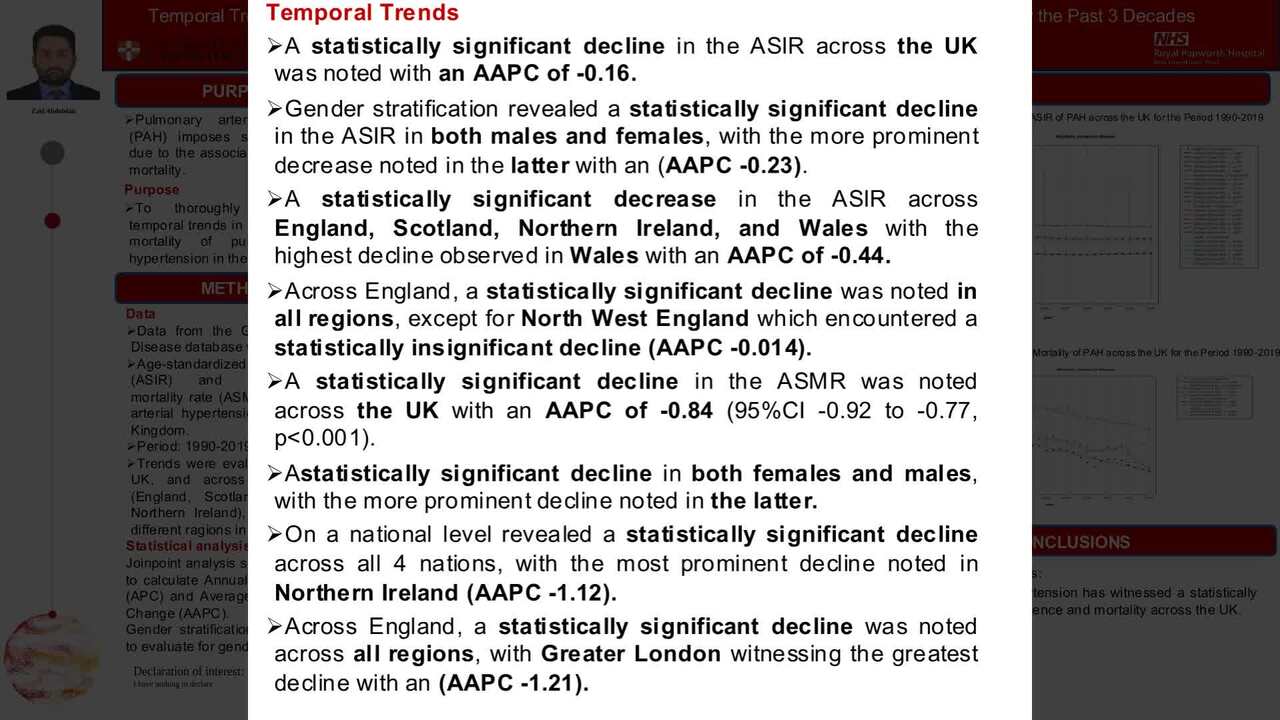
Temporal trends in the incidence and mortality of pulmonary arterial hypertension in the United Kingdom over the past 3 decades
CLINICAL DECISION 01 - CONFIRMING PAH WITHIN THE PH SPECTRUM: How do I confirm PAH and avoid misclassifying it?
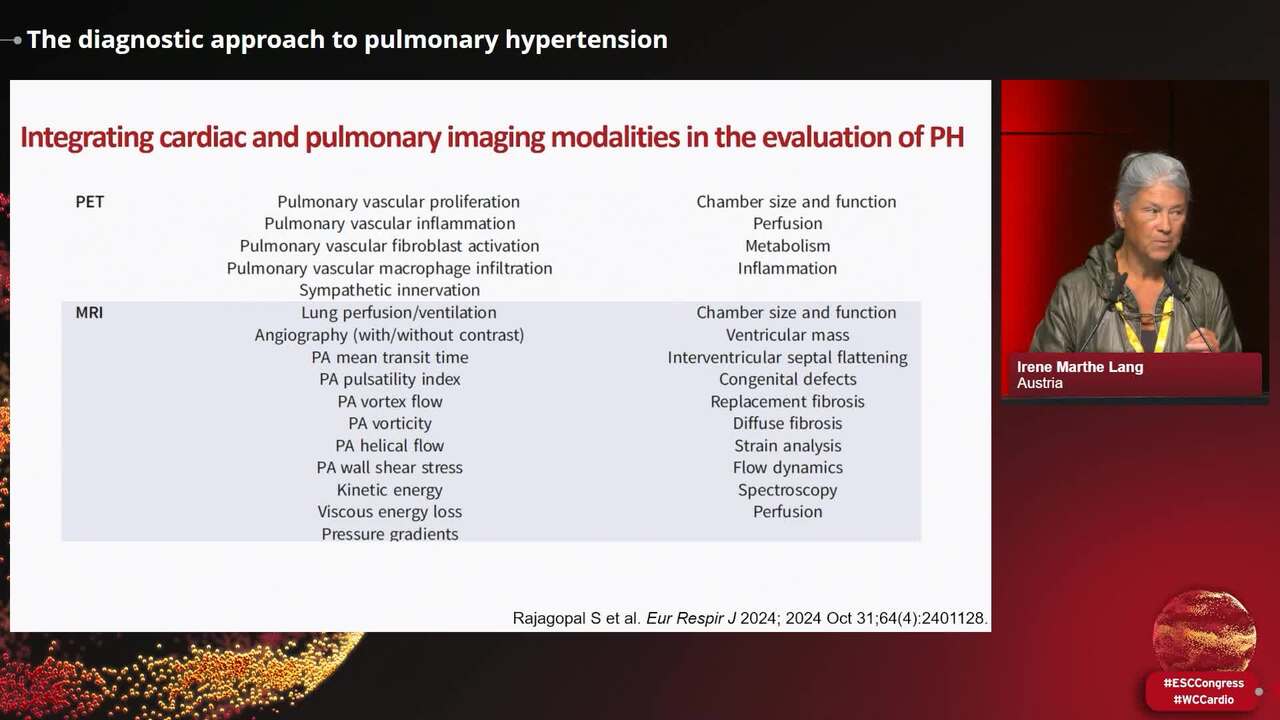
The diagnostic approach to pulmonary hypertension
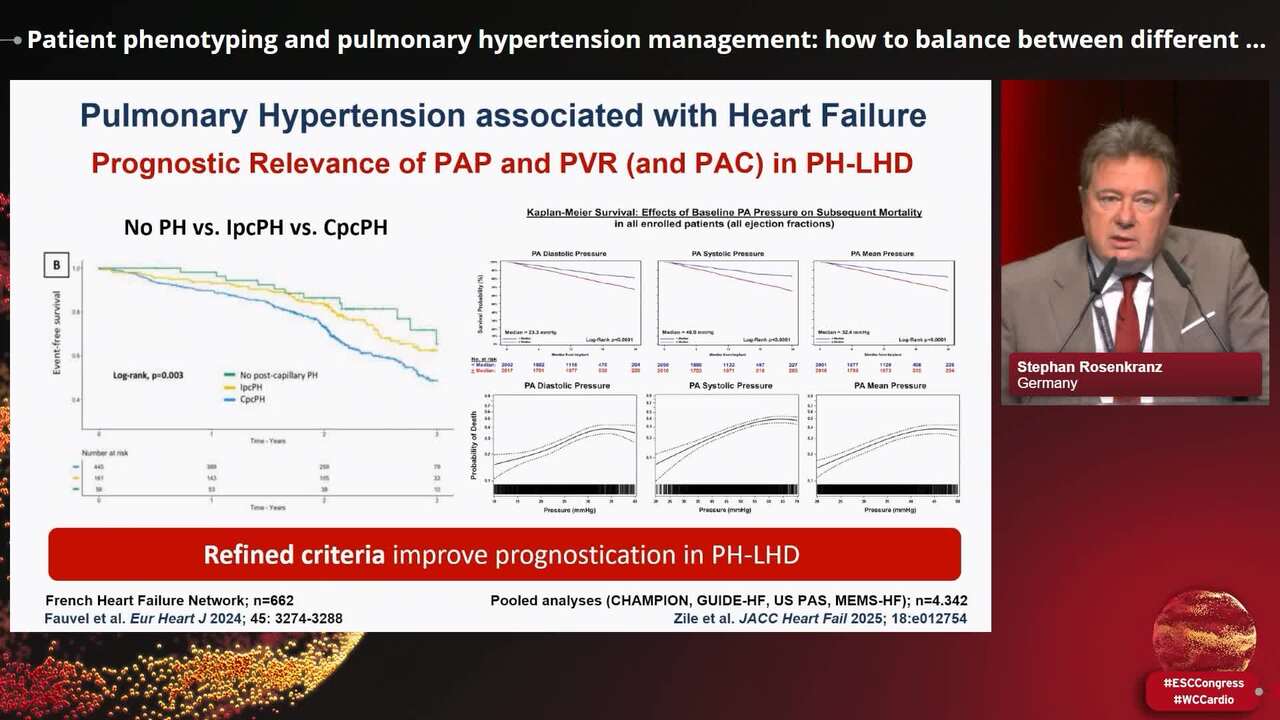
Patient phenotyping and pulmonary hypertension management: how to balance between different options
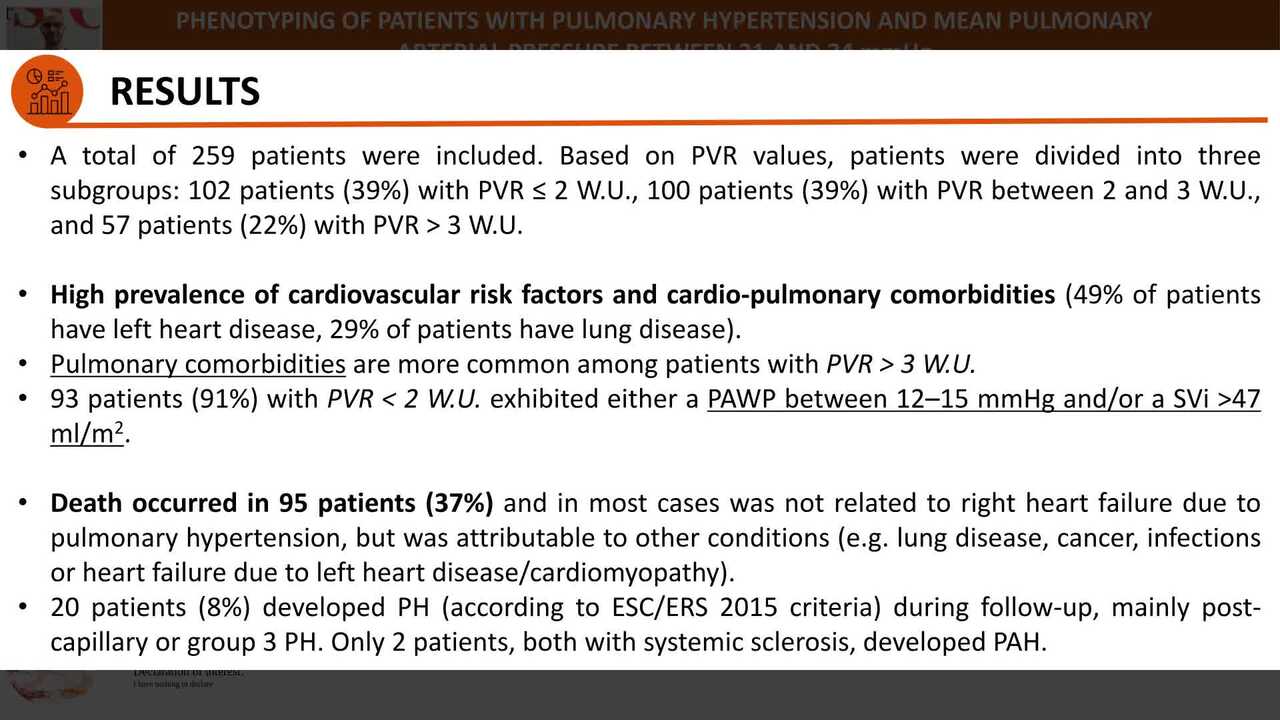
Phenotyping of patients with pulmonary hypertension and mean pulmonary arterial pressure between 21 and 24 MMHG
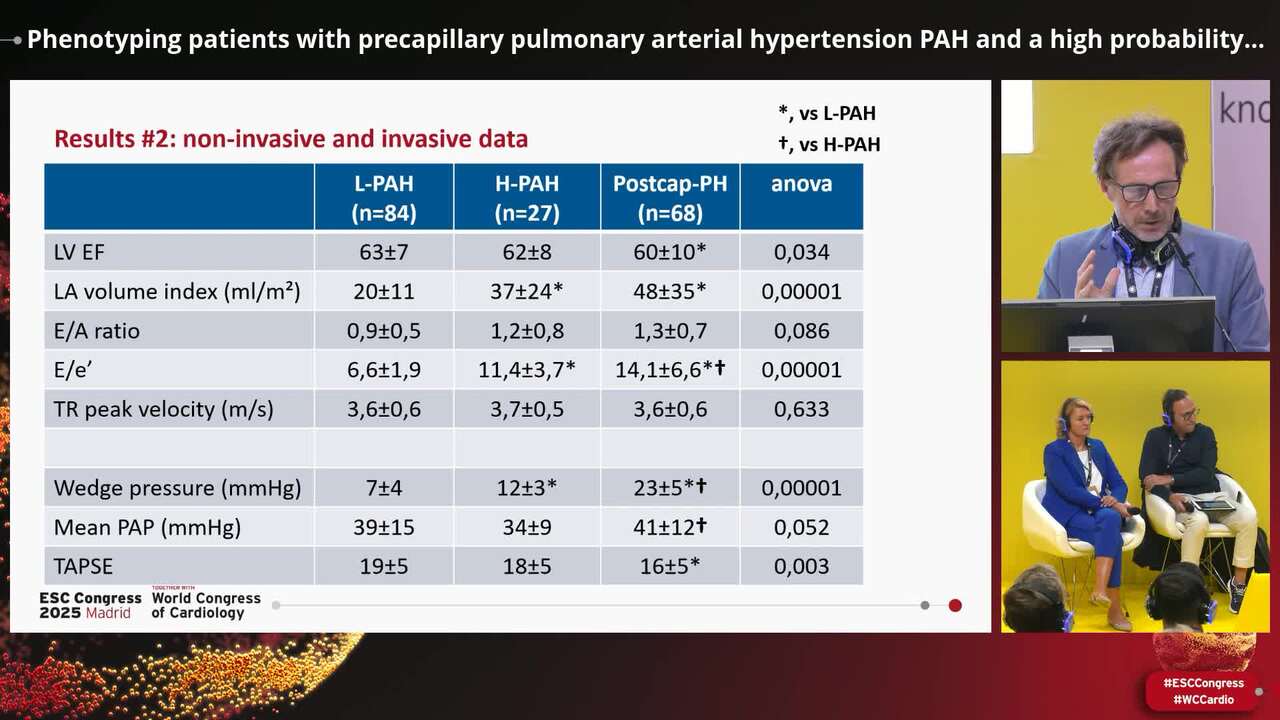
Phenotyping patients with precapillary pulmonary arterial hypertension PAH and a high probability of HFpEF
CLINICAL DECISION 02 - RISK STRATIFICATION AND MONITORING: How do I assess severity, prognosis, and treatment response?
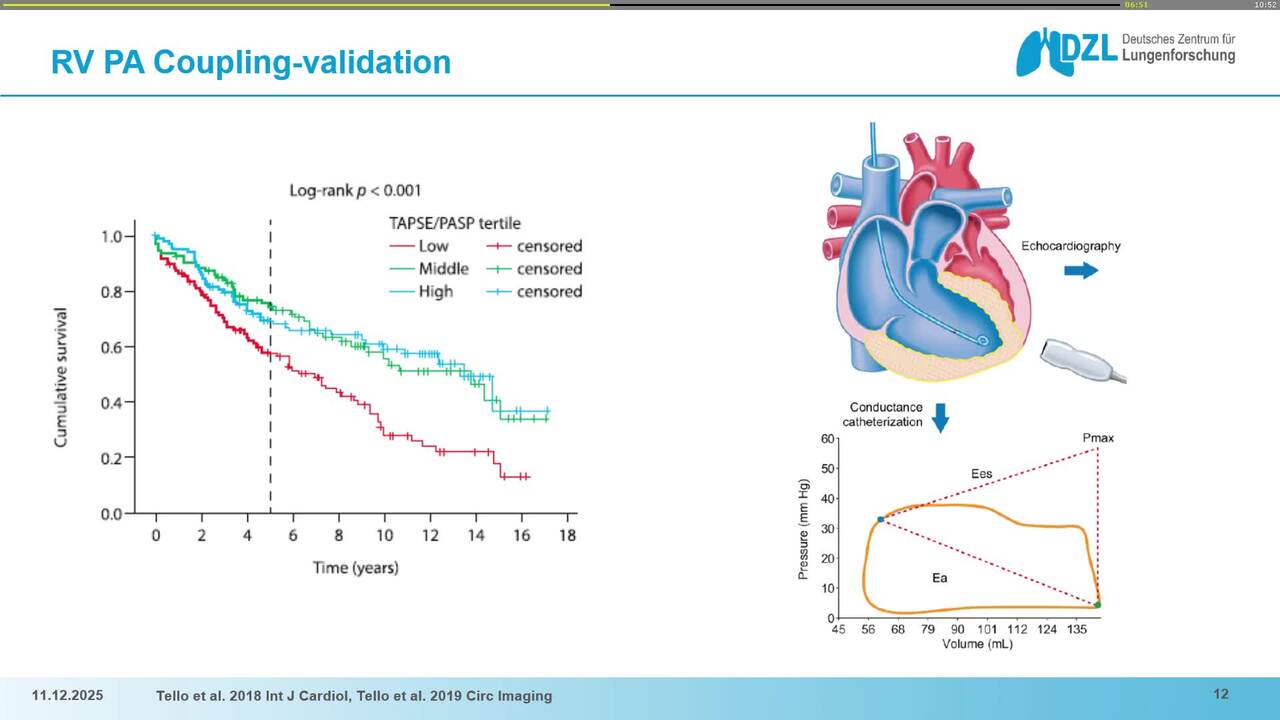
Pulmonary arterial hypertension and right ventricular-pulmonary arterial coupling


Prediction models and scores in pulmonary hypertension
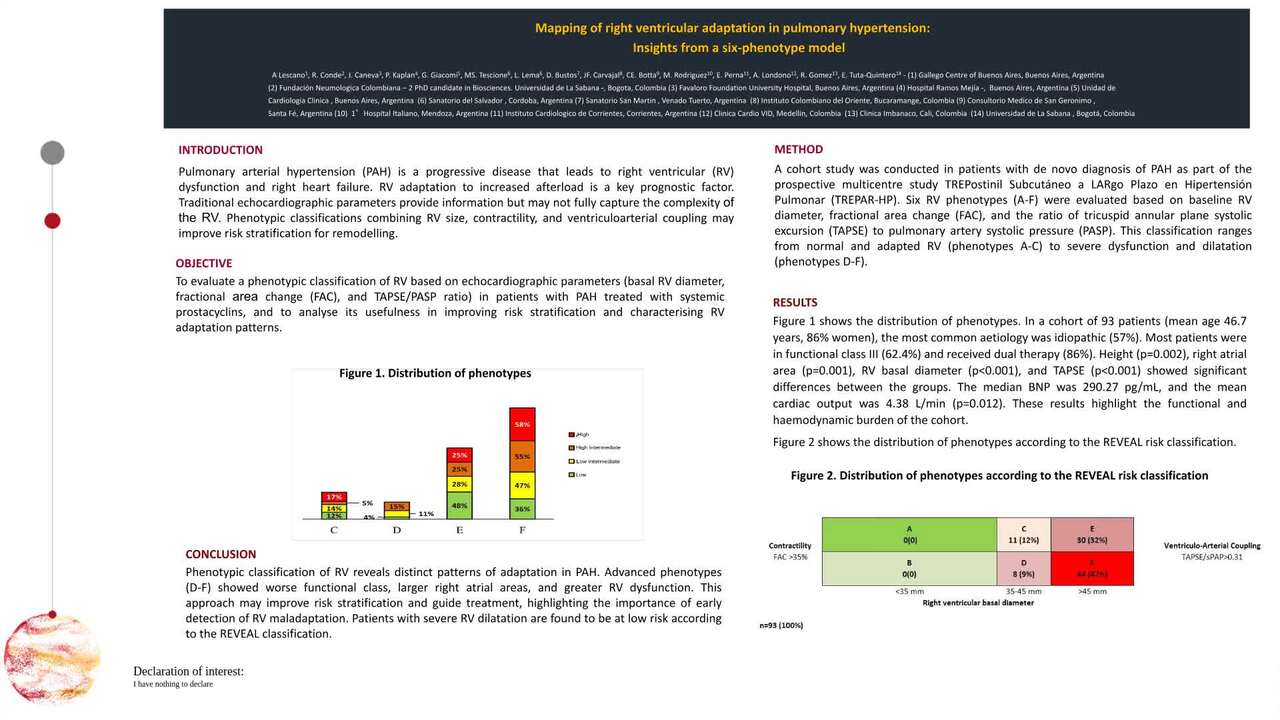
Mapping right ventricular adaptation in pulmonary arterial hypertension: insights from a six-phenotype model
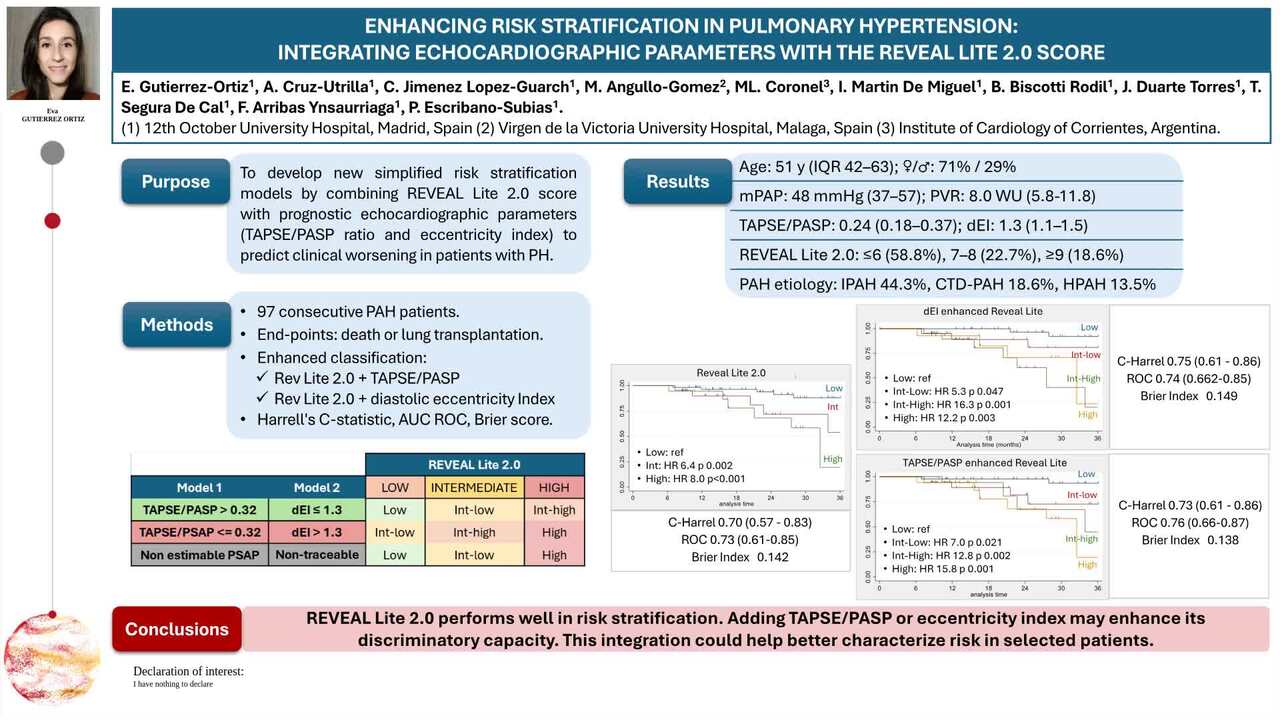
Enhancing risk stratification in pulmonary hypertension: integrating echocardiographic parameters with the REVEAL Lite 2.0 score
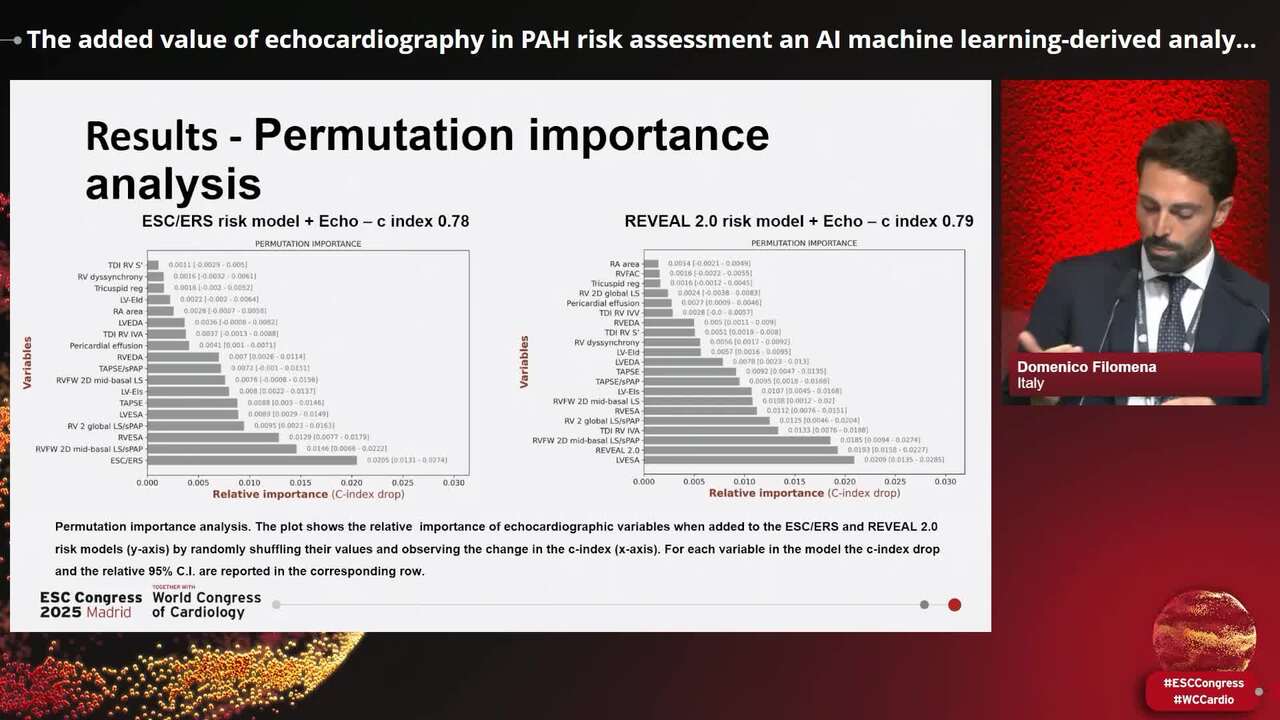
The added value of echocardiography in PAH risk assessment an AI machine learning-derived analysis of the ULTRA RIGHT VALUE registry

Prognostic value of right ventricular myocardial work in patients with pulmonary arterial hypertension
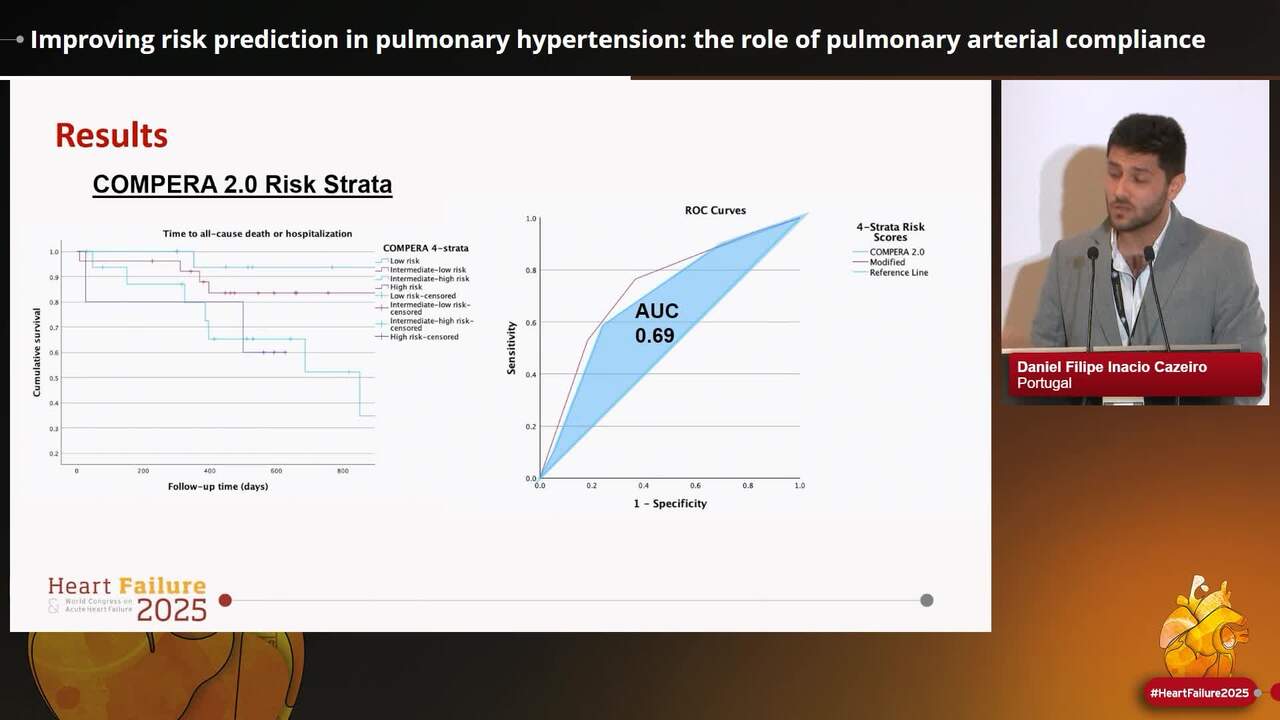
Improving risk prediction in pulmonary hypertension: the role of pulmonary arterial compliance

CLINICAL DECISION 03 - PAH TREATMENT DECISIONS AND ESCALATION: Which treatment, when, and for whom?
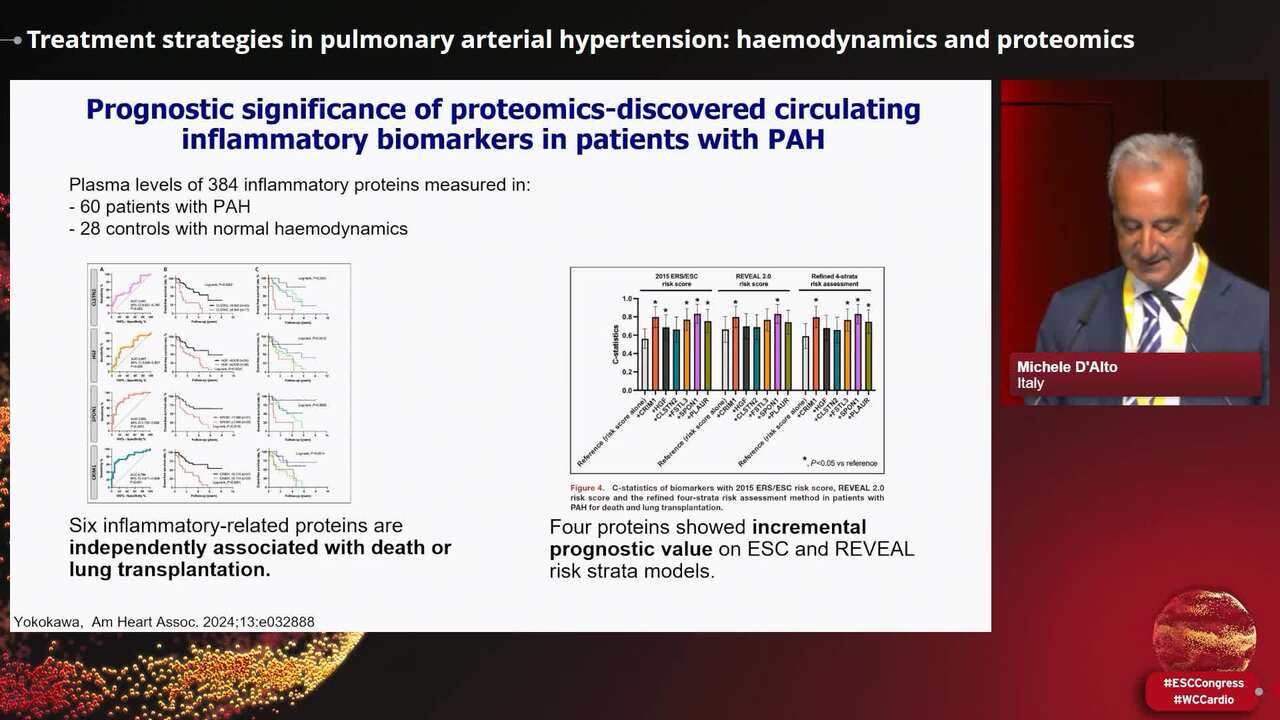
Treatment strategies in pulmonary arterial hypertension: haemodynamics and proteomics
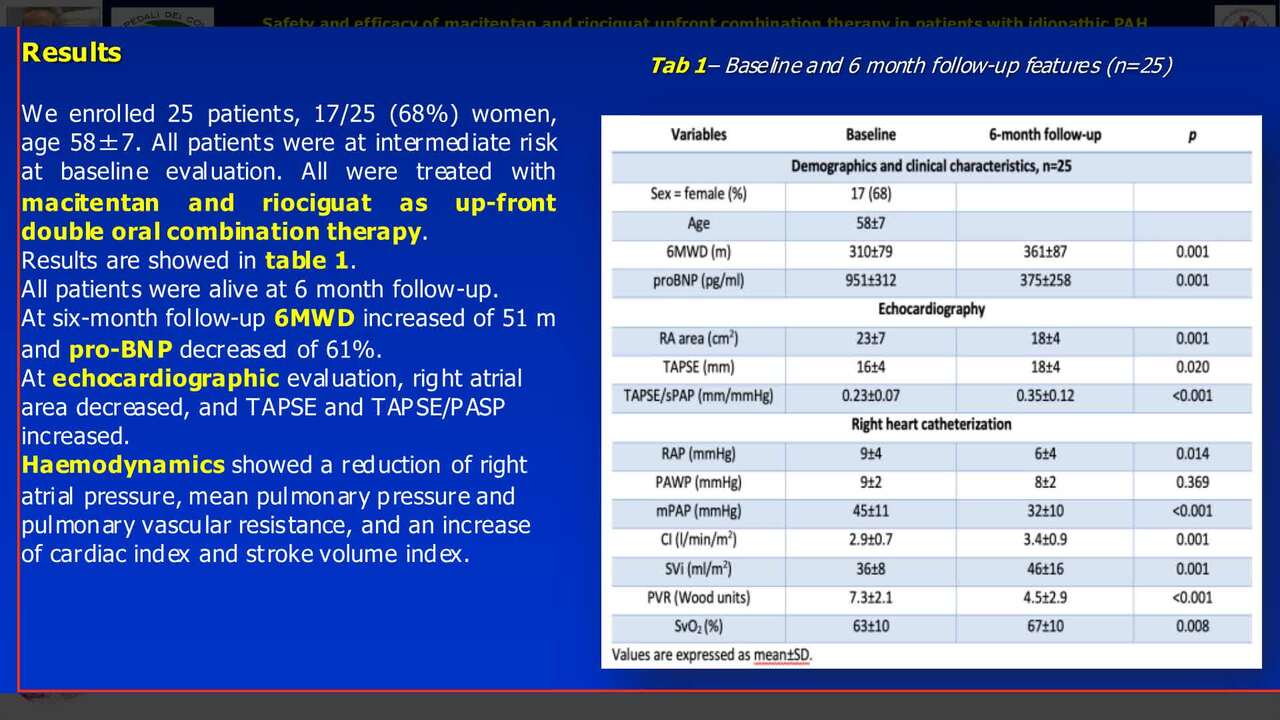
Safety and efficacy of macitentan and riociguat upfront combination therapy in patients with idiopathic pulmonary arterial hypertension at intermediate risk.
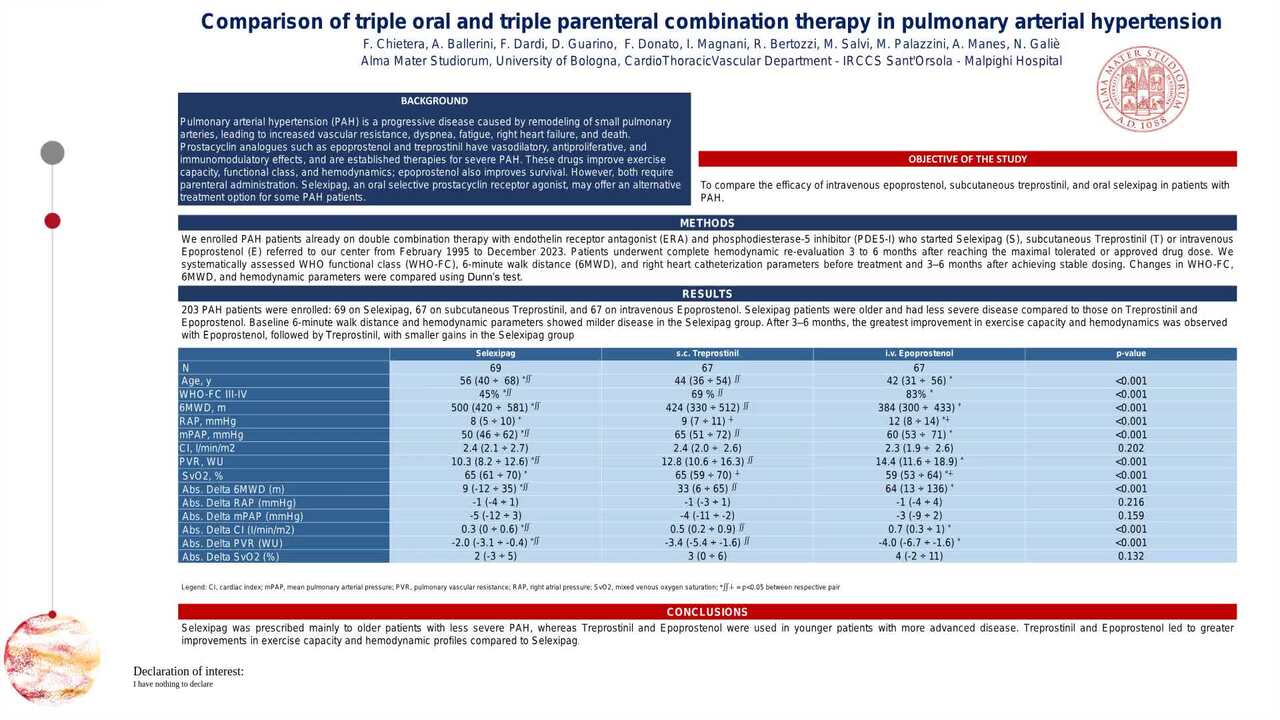
Comparison of triple oral and triple parenteral combination therapy in pulmonary arterial hypertension
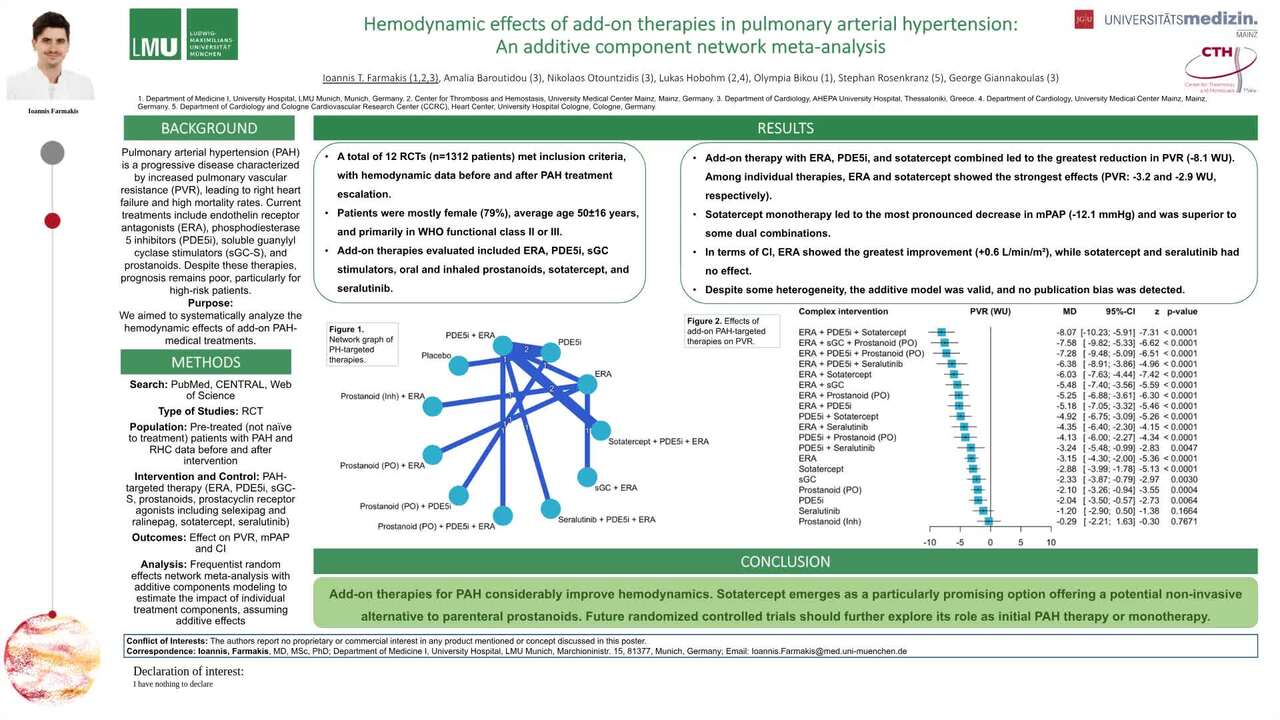
Hemodynamic effects of add-on therapies in pulmonary arterial hypertension: an additive component network meta-analysis.

Sotatercept Improves Hemodynamics and Right Heart Function in High-Risk Pulmonary Arterial Hypertension (PAH): Results from ZENITH Trial
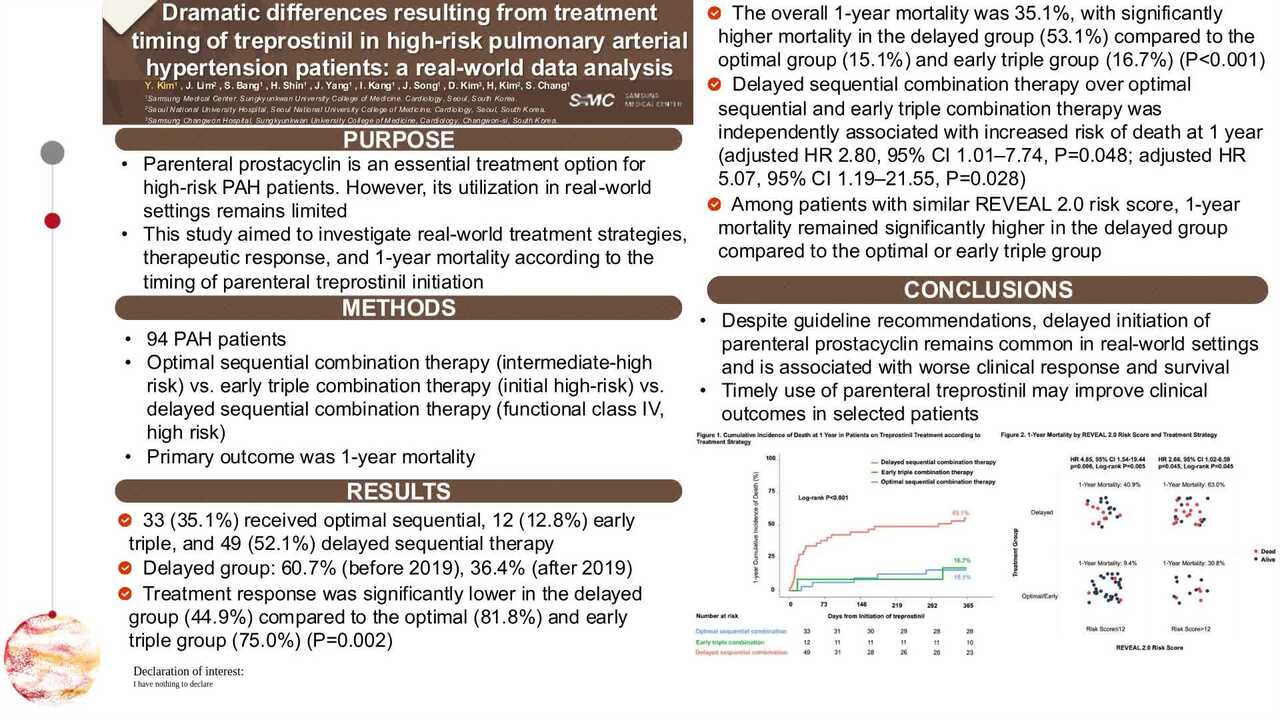
Dramatic differences resulting from treatment timing of treprostinil in high-risk patients: a real-world data analysis

Acutely decompensated arterial pulmonary hypertension: the hardest nut to crack? - discussion

CLINICAL DECISION 04 - PAH IN COMPLEX POPULATIONS: How does PAH management change in high-risk subgroups?
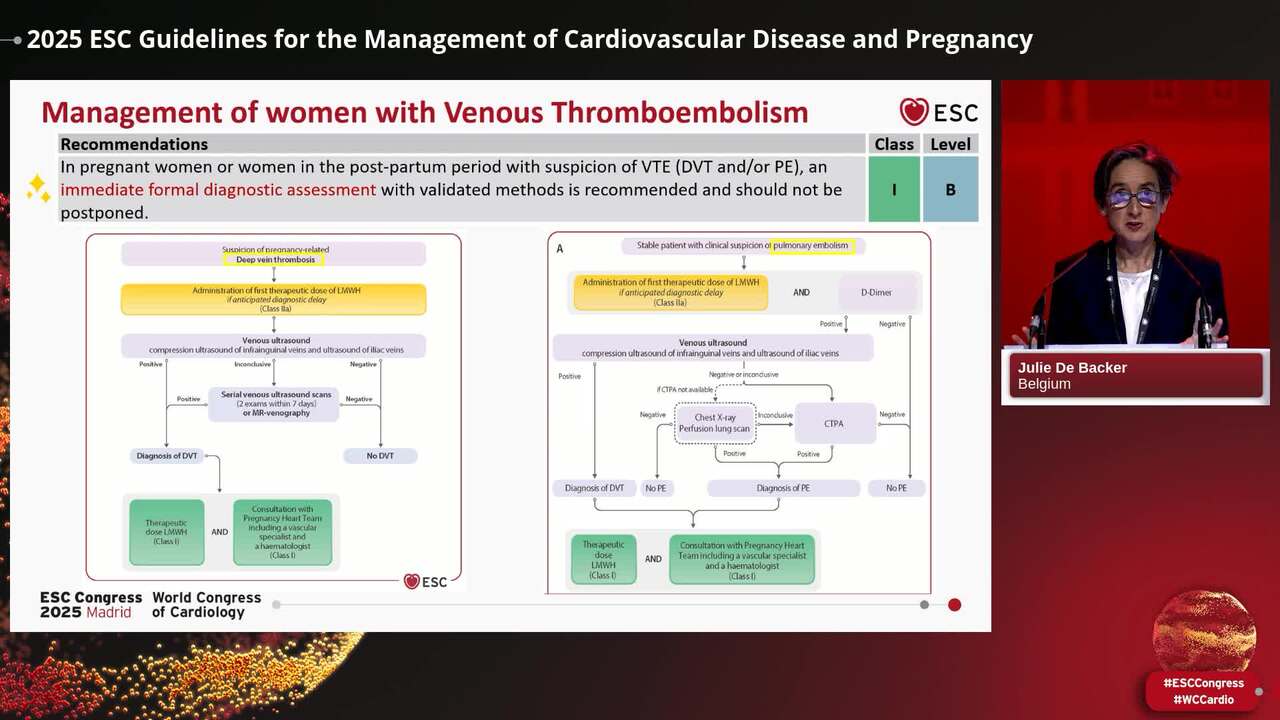
2025 ESC Guidelines for the Management of Cardiovascular Disease and Pregnancy

Pediatric pulmonary arterial hypertension: characteristics and efficacy of specific therapy on clinical, echocardiographic and hemodynamic parameters
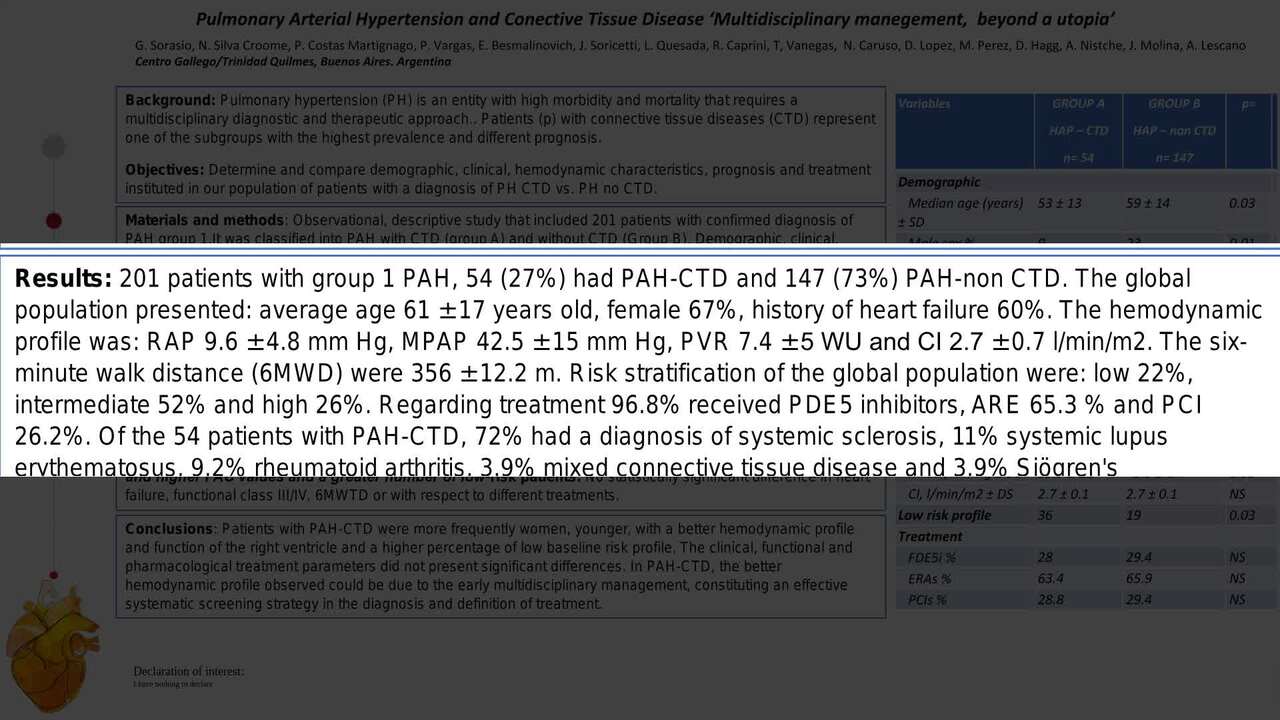
Pulmonary arterial hypertension and connective tissue disease "multidisciplinar management, beyond a utopia"
CLINICAL DECISION 05 - FUTURE OF PAH: PRECISION AND REVERSE REMODELLING: Where is PAH heading and how do I stay current?
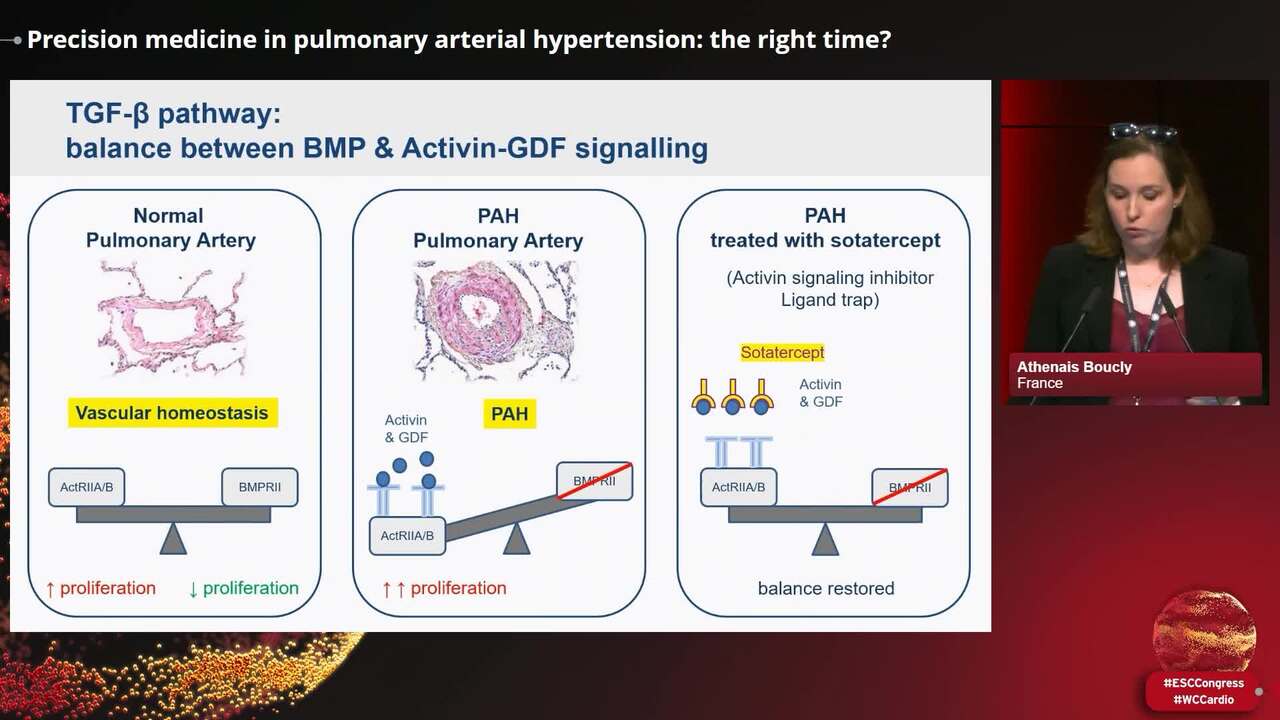
Precision medicine in pulmonary arterial hypertension: the right time?