
Structural heart intervention has become an established and rapidly expanding therapeutic option across valve disease, congenital heart disease, and complex structural anatomy. As evidence, devices, imaging, and procedural planning continue to evolve, clinicians need a clear way to navigate what to use, when to intervene, and how to manage increasingly complex scenarios.
This Knowledge Track is organised around six clinical decisions that define structural intervention in practice: how to evaluate and plan, who to treat and when, what the evidence shows, which intervention is appropriate, how to manage challenging structural scenarios, and what to do after the procedure.
Content selected and curated independently by ESC.
CLINICAL DECISION 01 - How do I evaluate and plan intervention?
Good structural intervention starts before the catheter lab. This section covers the main imaging pillars used to assess anatomy, quantify disease severity, plan procedures, and support candidate selection: 3D echocardiography, 4D flow CMR, cardiac CT, and imaging guidance for transcatheter tricuspid repair.
Congress Presentation
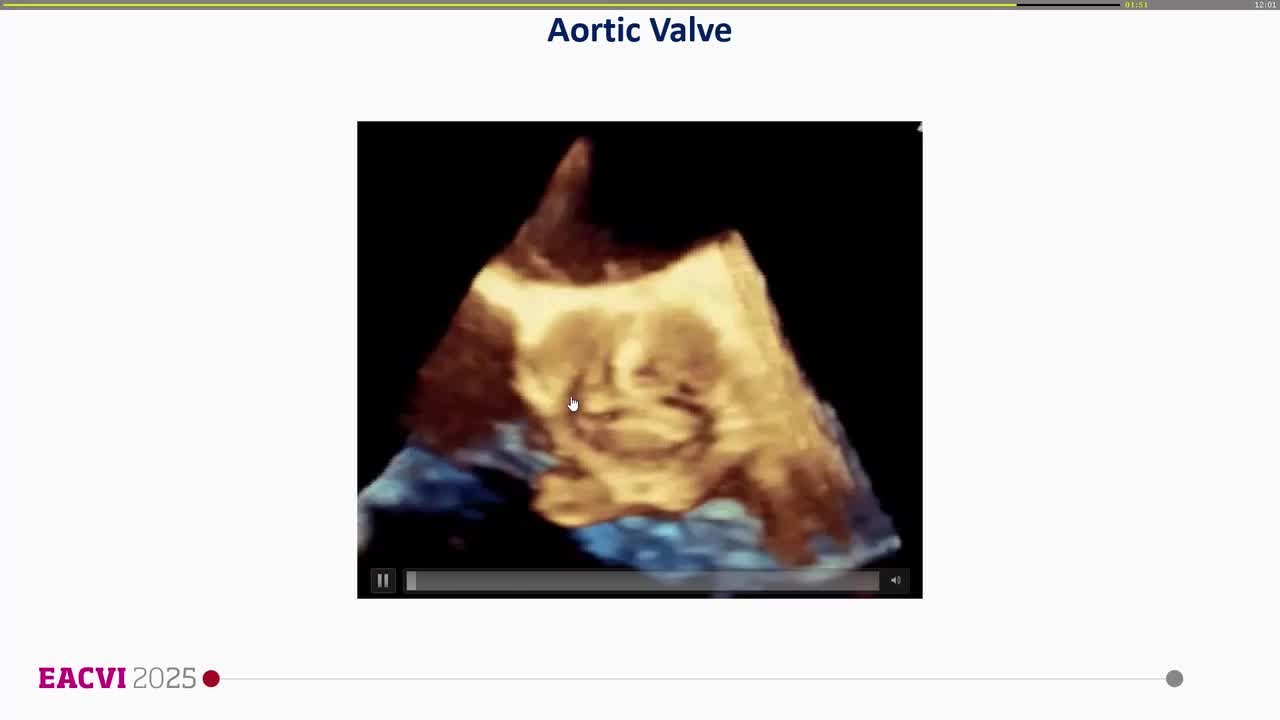
Mitral and aortic valve
12 December 2025 Core learning: 3D echo acquisition, display techniques, and valve assessment for structural procedures.

Congress Presentation
Precision diagnosis in valve dysfunction
13 December 2025 Core learning: 4D flow CMR for precise flow quantification, valve tracking, and intervention timing in aortic stenosis and mitral regurgitation.
Congress Presentation
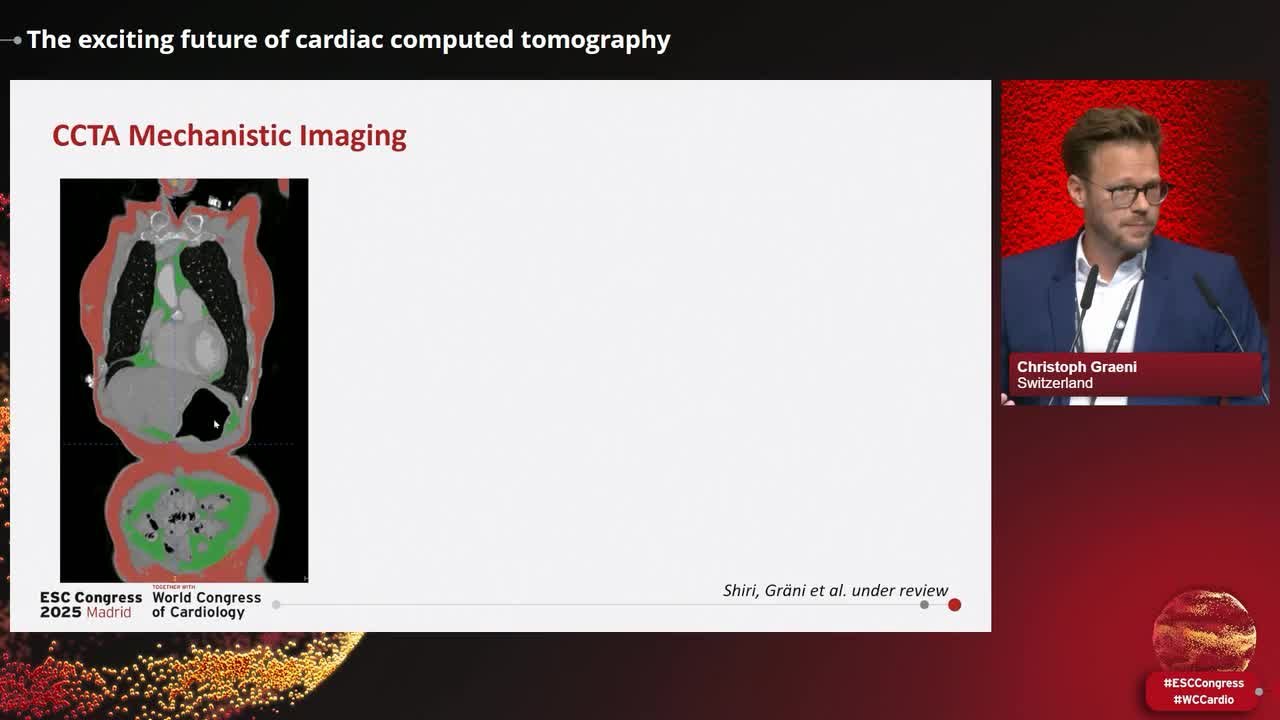
The exciting future of cardiac computed tomography
30 August 2025 Extended learning: Cardiac CT applications in structural planning, scanner technology, post-processing, and AI-enabled future directions.

Congress Presentation
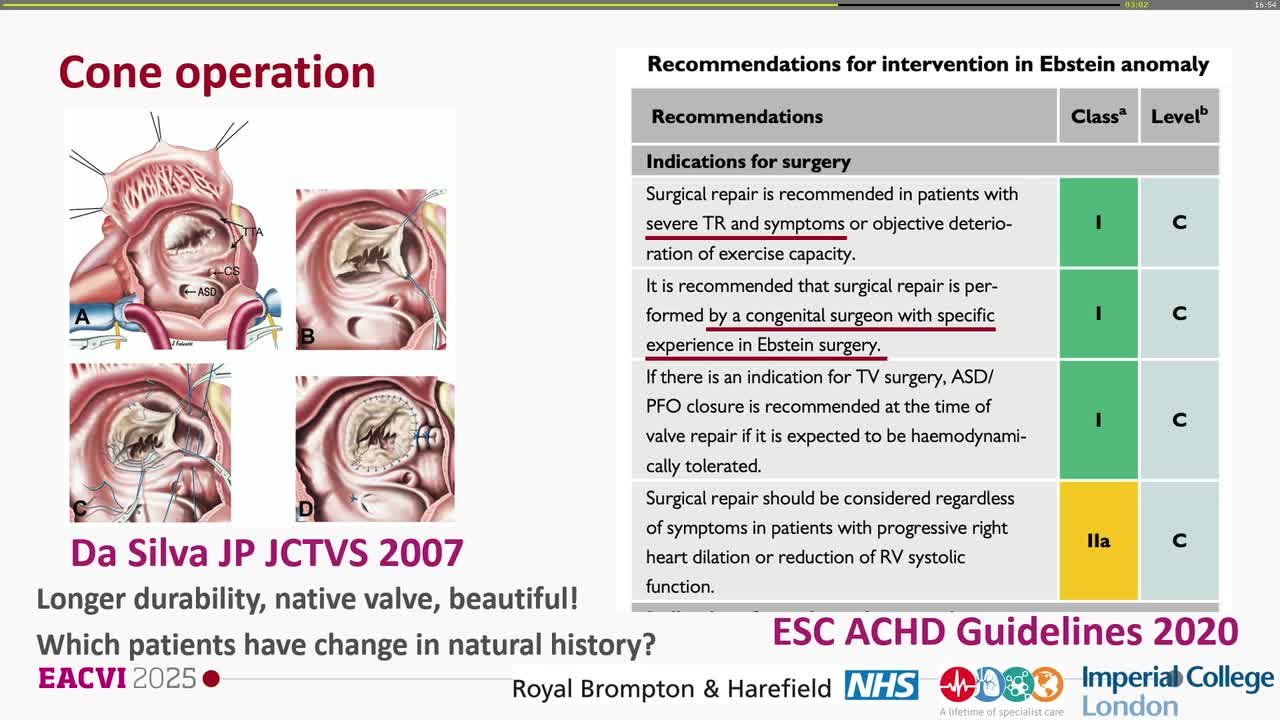
Role of imaging in the assessment of tricuspid valves
12 December 2025 Core learning: Imaging of congenital tricuspid valve disease, Ebstein anomaly, systemic RV, TR quantification, CMR outcome markers, and intervention planning.
CLINICAL DECISION 02 - Who should be treated and when?
Patient selection and timing are central to structural intervention. This section focuses on how to identify appropriate candidates, assess anatomical and haemodynamic suitability, and recognise when intervention should be considered before advanced disease progression limits benefit.
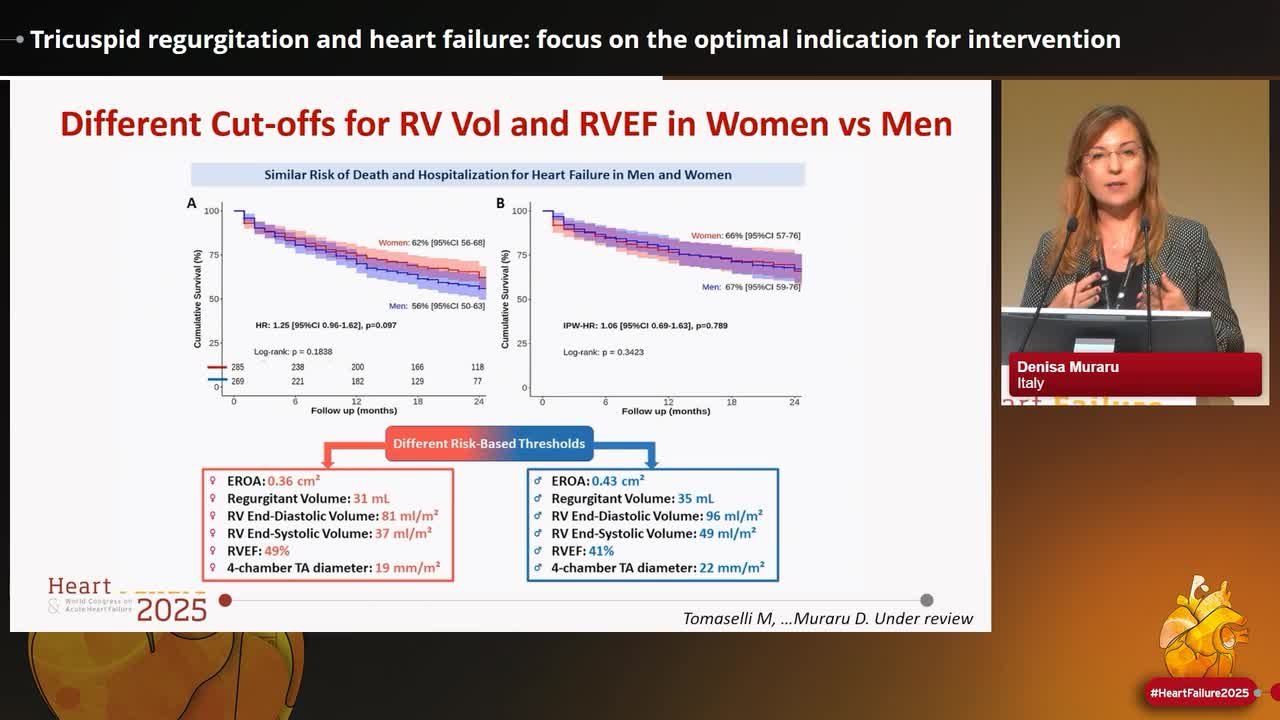
Congress Presentation
Tricuspid regurgitation and heart failure: focus on the optimal indication for intervention
19 May 2025 Core learning: TR classification, ideal T-TEER candidate profile, complex anatomy for TTVR, and the role of right-heart catheterisation in decision-making.


Congress Presentation
Predictors of haemodynamic response to transcatheter tricuspid valve replacement for severe tricuspid regurgitation
1 September 2025 Evidence review: RV-PA coupling, frailty, PASP, and baseline predictors of haemodynamic response and post-procedural outcomes after TTVR.
CLINICAL DECISION 03 - What is the evidence?
Key evidence across major structural intervention areas, including tricuspid repair, mitral TEER, TAVI device comparison, and post-TAVI pharmacotherapy. It supports evidence-based decision-making by linking trial data to clinical selection and expected outcomes.

Congress Presentation
T TEER in secondary TR: opening a new pathway in heart failure management
11 May 2026 Evidence review: Randomized evidence for T-TEER in severe tricuspid regurgitation, showing impact on heart failure hospitalization, recurrent events, and disease trajectory beyond symptom relief.
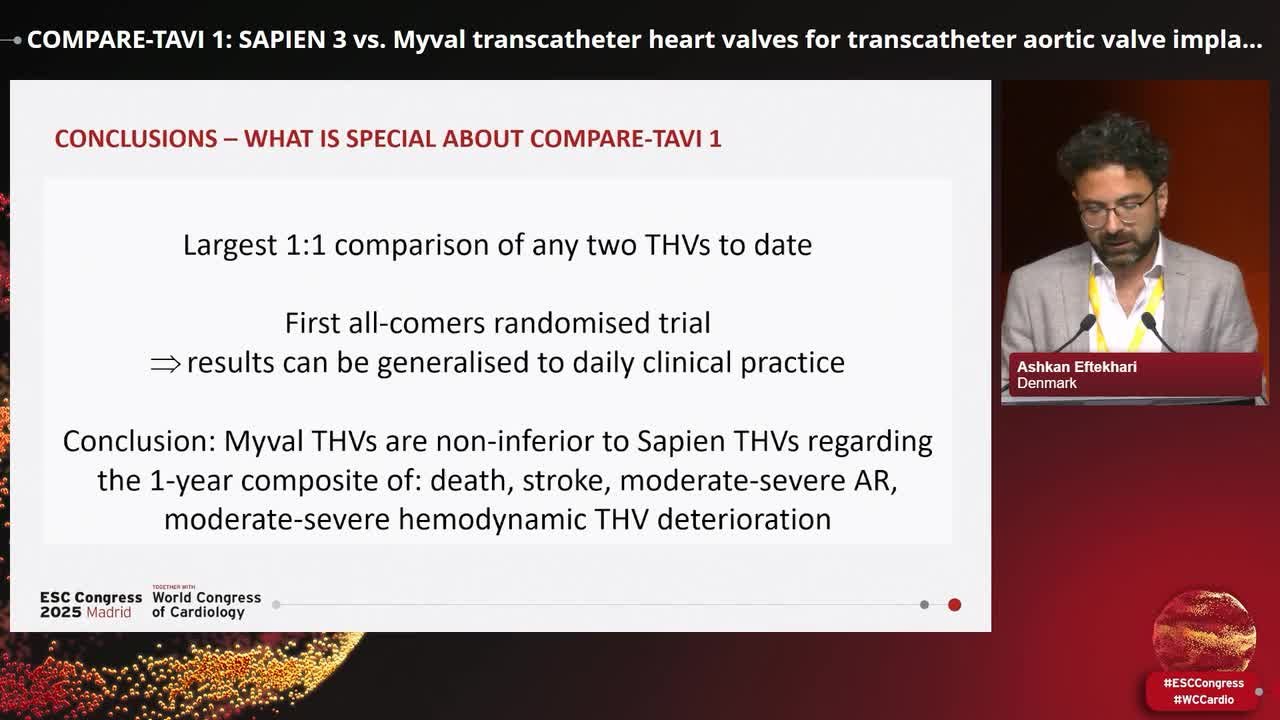
Congress Presentation
COMPARE-TAVI 1: SAPIEN 3 vs. Myval transcatheter heart valves for transcatheter aortic valve implantation
31 August 2025 Evidence review: Meta-analysis of randomised evidence for TEER in functional mitral regurgitation, grounding mitral TEER selection in clinical trial data.
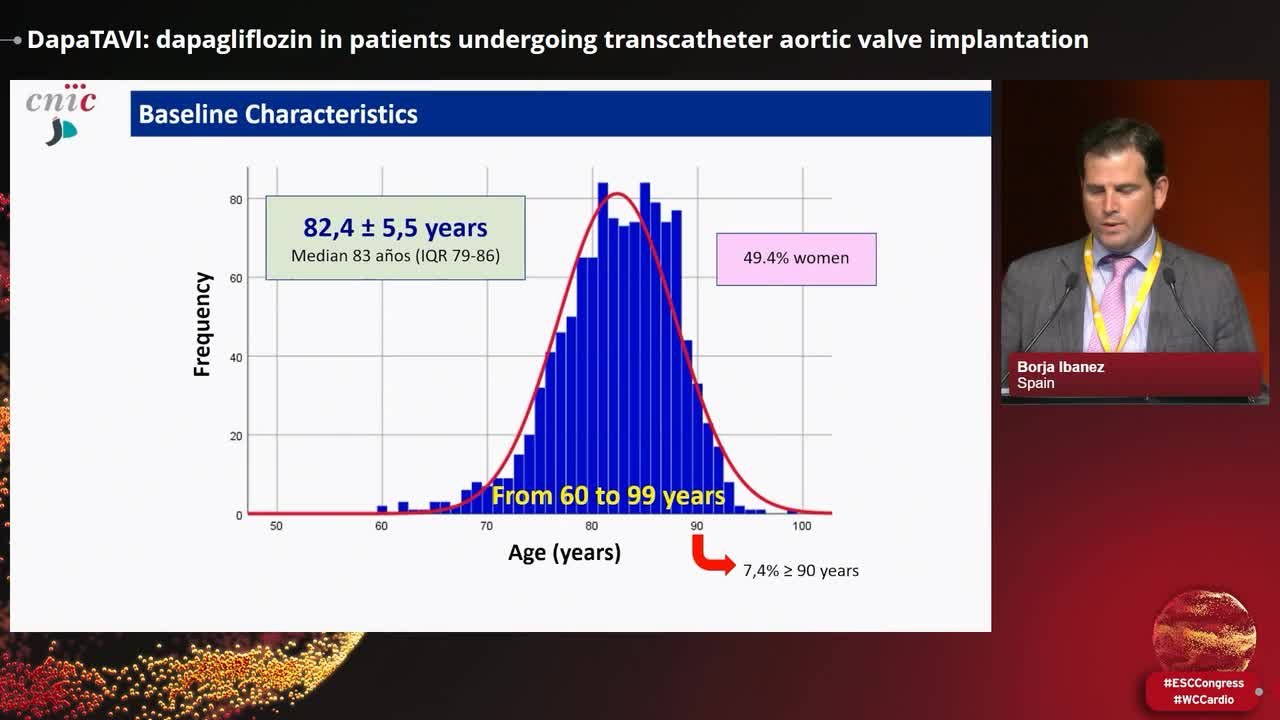
Congress Presentation
DapaTAVI: dapagliflozin in patients undergoing transcatheter aortic valve implantation
31 August 2025 Evidence review: Post-TAVI heart failure phenotype, SGLT2 inhibitor evidence gap, and dedicated pharmacotherapy evidence in the post-TAVI population.
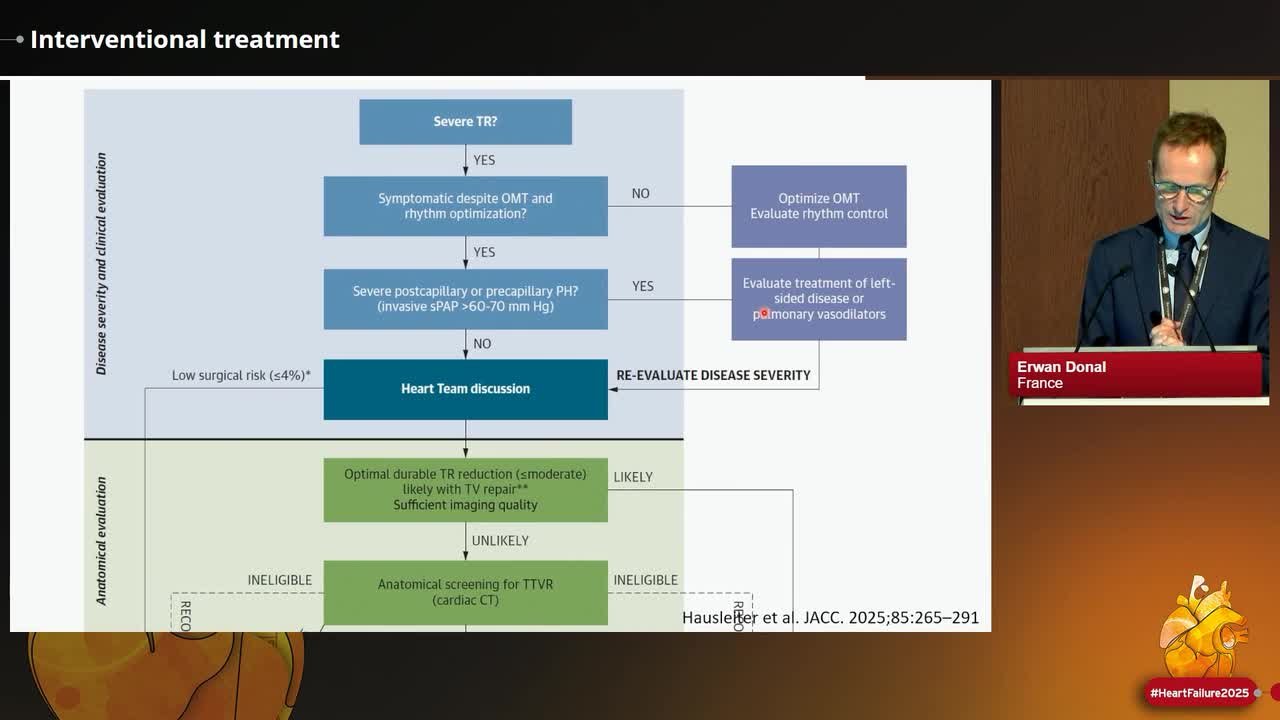
Congress Presentation
Interventional treatment
17 May 2025 Evidence review: Trial endpoints, outcomes, and realistic expectations for T-TEER versus medical therapy.
CLINICAL DECISION 04 - What intervention is appropriate?
From evidence to the real-world decision. It covers how intervention choices are made in mitral disease, how acute clinical scenarios influence decision-making, and how emerging digital technologies may support planning, training, and precision intervention.
Congress Presentation
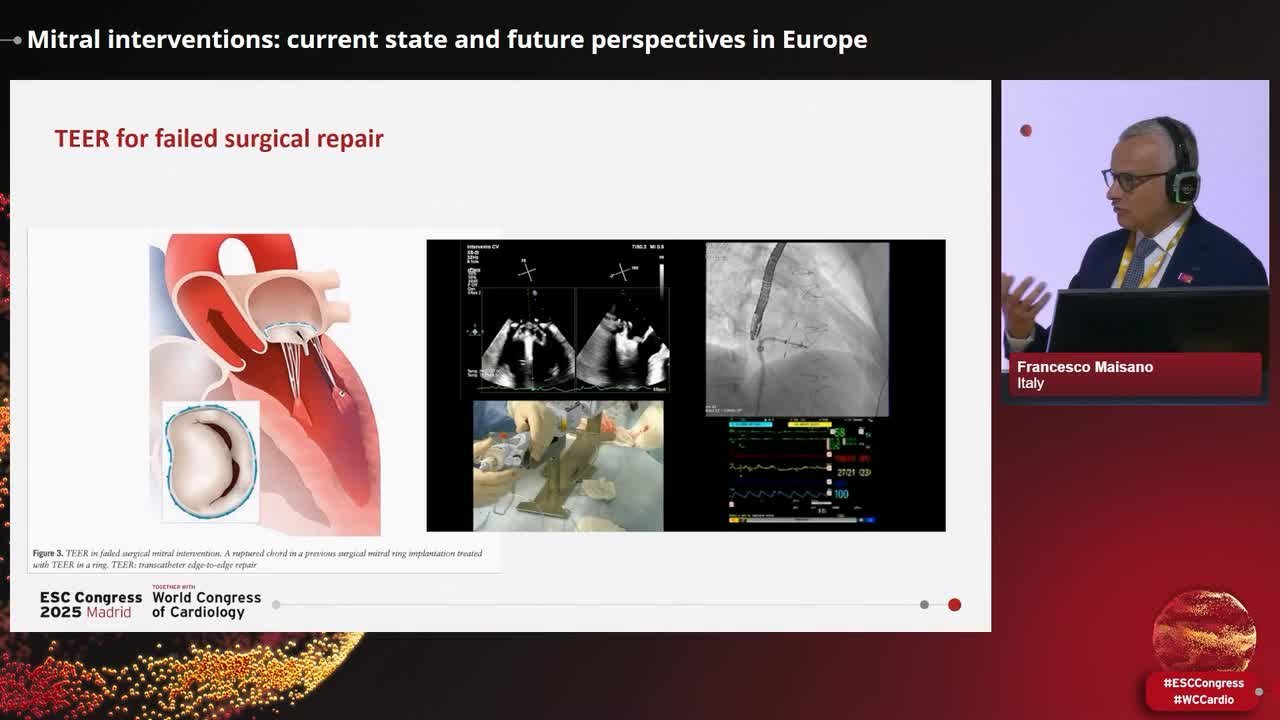
Mitral interventions: current state and future perspectives in Europe
31 August 2025 Core learning: Mitral TEER and TMVI landscape, guideline positioning, patient selection, current evidence, and future directions

Congress Presentation
Successful mitral transcatheter edge-to-edge repair in acute mitral regurgitation
31 August 2025 Practical case application: Heart Team decision-making and PASCAL ACE use in high-risk acute mitral regurgitation with cardiogenic shock.
Congress Presentation
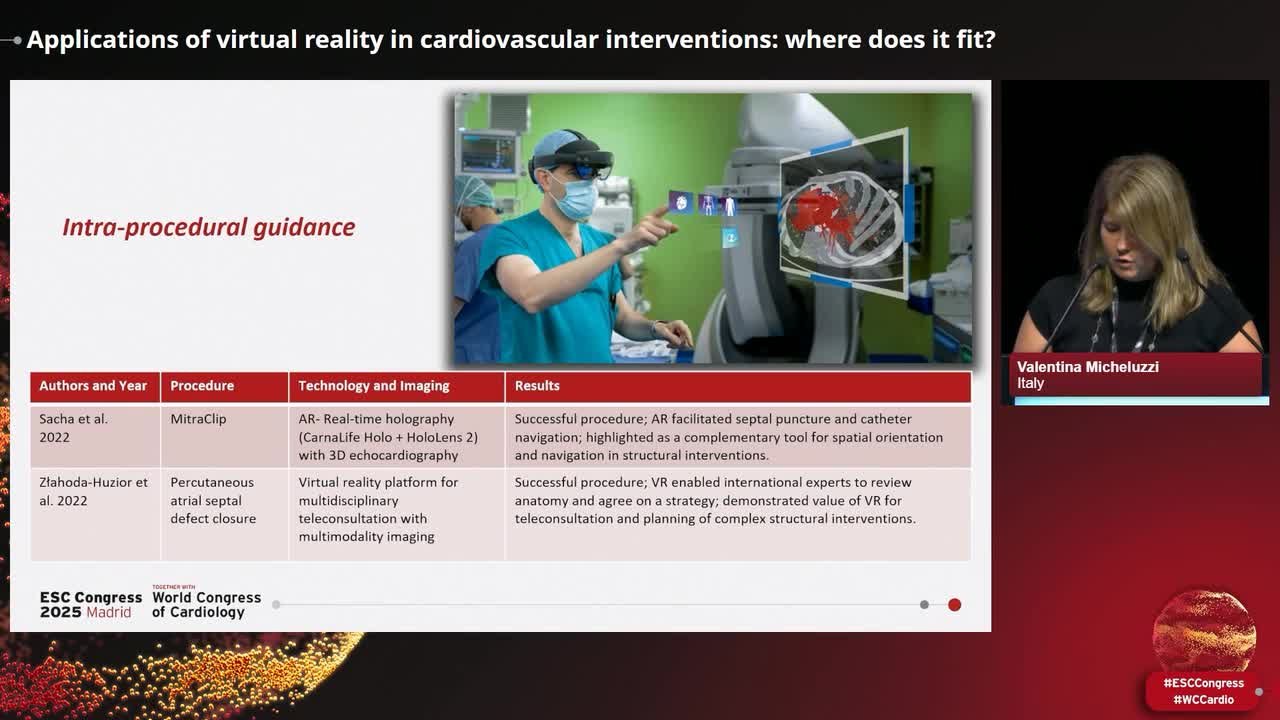
Applications of virtual reality in cardiovascular interventions: where does it fit?
29 August 2025 Extended learning: VR, AR, and MR in procedural training, planning, simulation, and precision intervention.
CLINICAL DECISION 05 - How do I manage challenging structural scenarios?
This advanced section uses selected case-based examples to illustrate how structural intervention principles are applied in complex anatomy, congenital disease, procedural complications, and bailout situations. The focus is on practical decision-making, imaging guidance, and procedural adaptation.
Congress Presentation
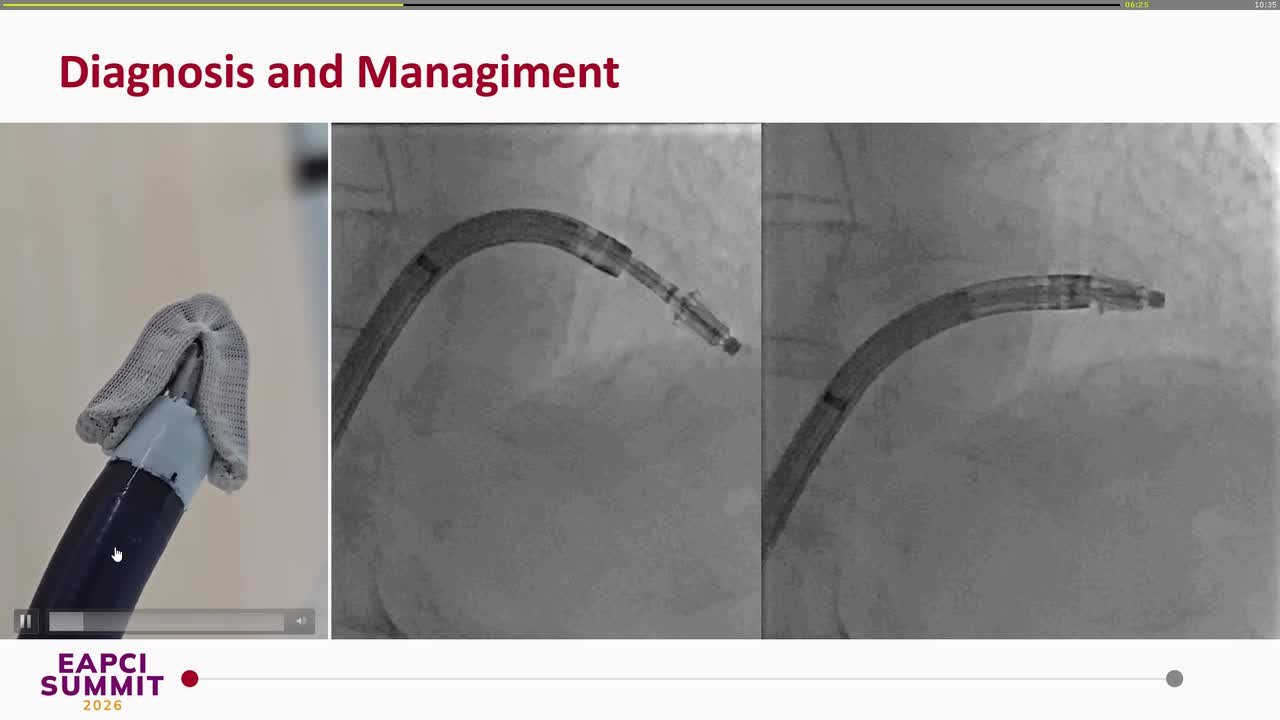
Bailout retrieval and reimplantation of a PASCAL ACE after intra-procedural SLDA in degenerative MR
19 February 2026 Advanced case: Step-by-step SLDA bailout, including guide sheath positioning, real-time TEE and fluoroscopy, retrieval strategy, and reimplantation.

Congress Presentation
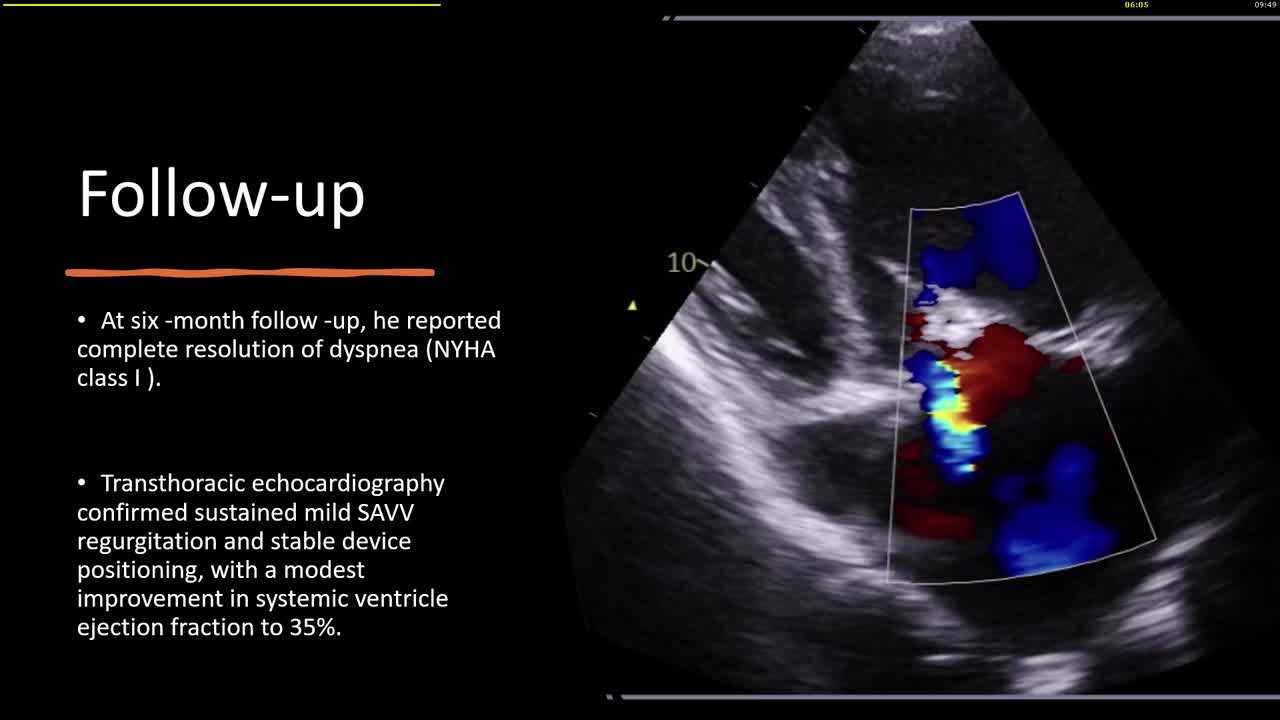
Systemic atrioventricular valve transcatheter edge-to-edge repair in congenitally corrected transposition of the great arteries and dextrocardia
19 February 2026 Advanced case: PASCAL ACE in ccTGA and dextrocardia, showing procedural adaptation, complex delivery configuration, haemodynamic improvement, and symptomatic recovery.
Congress Presentation
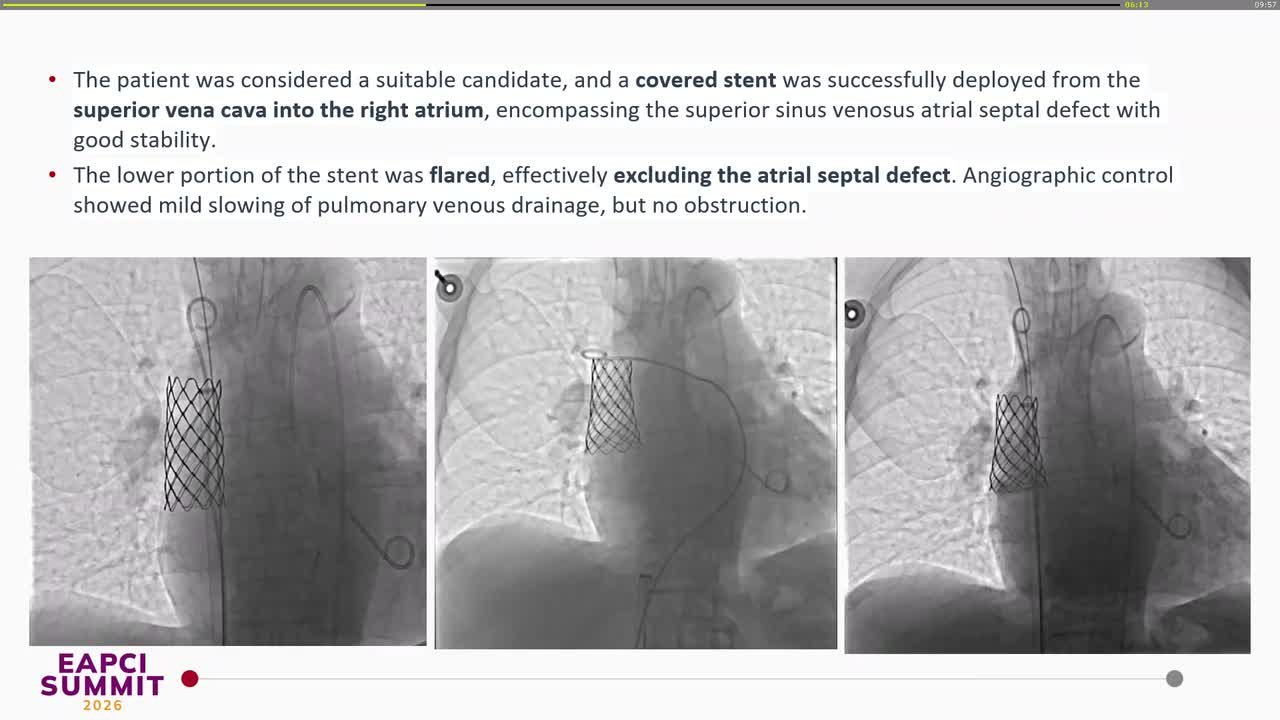
When congenital meets geriatrics: percutaneous repair of a superior sinus venosus defect with partial anomalous pulmonary venous return
19 February 2026 Advanced case: Covered-stent SVASD/PAPVR repair in an elderly patient unsuitable for surgery, illustrating congenital structural intervention beyond traditional surgical pathways.
Congress Presentation
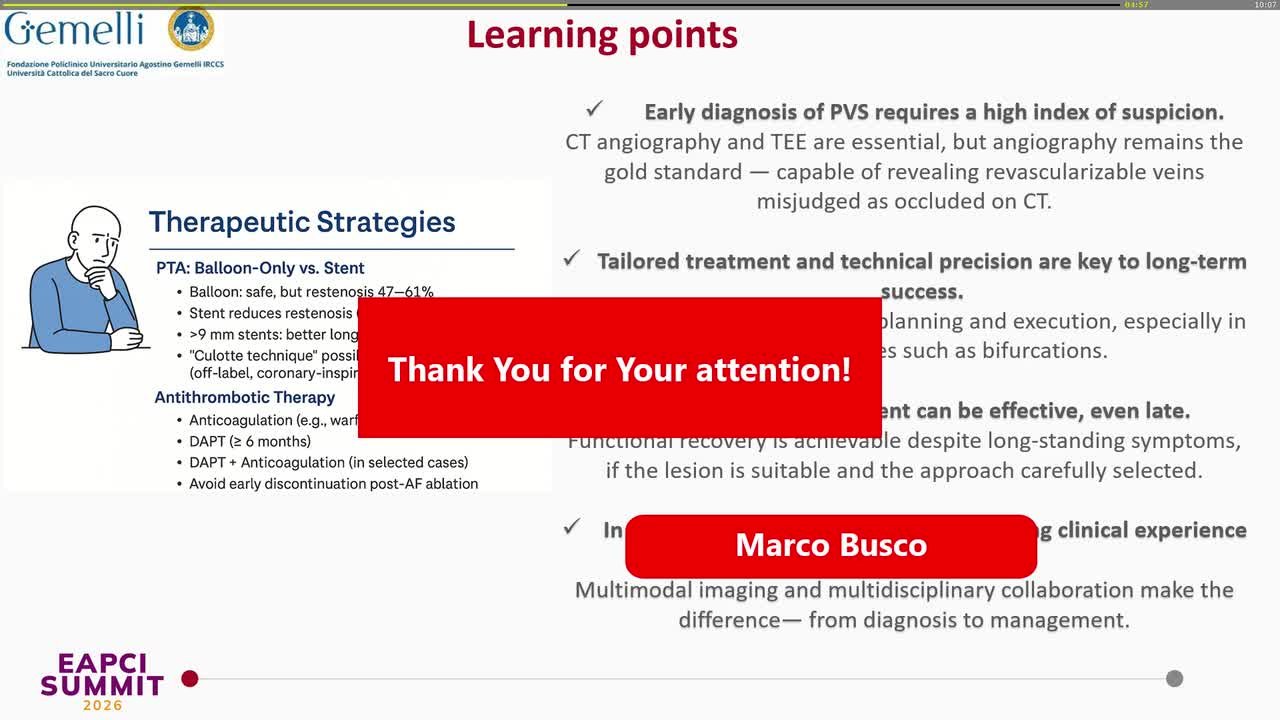
Endovascular stenting for pulmonary vein stenosis following atrial fibrillation ablation: from diagnosis to intervention
19 February 2026 Advanced case: Pulmonary vein stenosis suspicion, imaging, angiographic confirmation, stenting strategy, and follow-up after AF ablation-related complication.
Clinical Decision 06 - What happens after intervention?
Structural intervention does not end in the catheter lab. This section covers pharmacotherapy, risk-factor management, rehabilitation, and antithrombotic strategy after the three most common structural procedures.
Congress Presentation
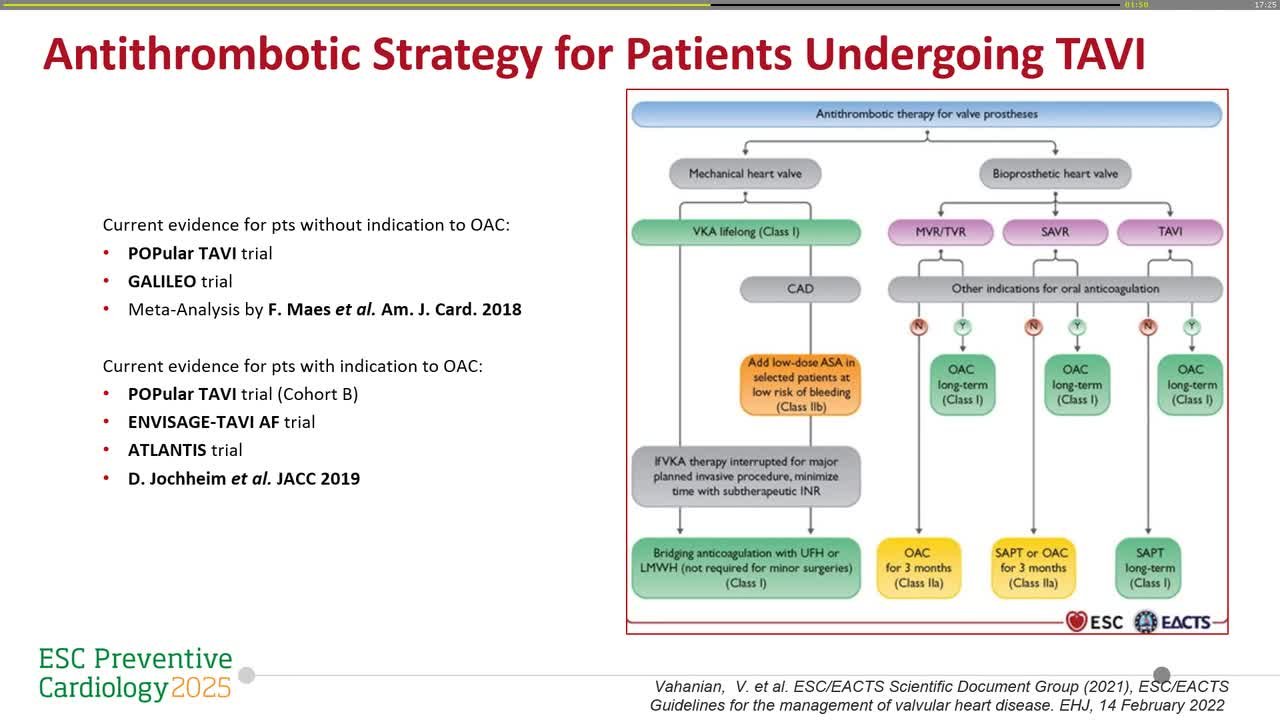
Prevention should always follow intervention
4 April 2025 Core learning: Post-intervention pharmacotherapy, risk-factor management, rehabilitation, antithrombotic strategy, and longitudinal follow-up after major interventional procedures


