Staged visceral revascularization prior to central aortic repair in acute type A aortic dissection complicated by mesenteric malperfusion: a case report
European Heart Journal - Case Reports


Abstract
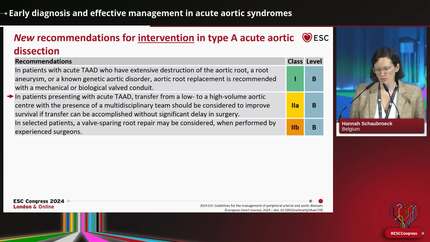
Acute type A aortic dissection (ATAAD) complicated by mesenteric malperfusion is among the most lethal cardiovascular emergencies, combining the immediate threat of aortic rupture with rapidly progressive visceral ischaemia. The optimal sequence of intervention remains controversial. Although current guidelines recommend immediate central aortic repair, this strategy may carry particularly high perioperative risk when advanced mesenteric ischaemia is already present.
A 54-year-old woman with no relevant medical history presented with ATAAD extending from the sinotubular junction to the iliac bifurcation, complicated by severe mesenteric malperfusion and haemodynamic instability. Following urgent multidisciplinary discussion, a staged strategy was adopted. On Day 0, visceral reperfusion was achieved by iliac-to-superior mesenteric artery bypass with concomitant exploratory laparotomy, combined with thoracic endovascular aortic repair. Progressive intestinal ischaemia over the next 48 h required multiple abdominal surgeries, including right colectomy, left colectomy with ileosigmoidostomy, and cholecystectomy, until bowel viability was controlled. Definitive total aortic arch replacement using a Thoraflex hybrid prosthesis was then performed on Day 6 under cardiopulmonary bypass with brief circulatory arrest. Despite a prolonged and complex postoperative course, the patient survived to hospital discharge.
This case illustrates the multidisciplinary decision-making involved in the management of a highly selected patient with ATAAD and established severe mesenteric malperfusion syndrome, in whom the immediate risk of visceral ischaemia was weighed against the substantial risk of delaying central repair.
Contributors

Georges Abi Abdallah
Author
Francesca Pitocco
Author
Antoine Cazelles
Author
Marie Corniquet
Author
Charles Henri Gautier
Author
Lena Ple-Nemo
Author
Maxime Renaux
Author
Nicolas Polge
Author
Can Gollmann-Tepeköylü
Author
Akihiro Yoshitake
Author
Youssef Mahmoud AbdElMoneim
Author
Giacomo Bianchi
Author
Deepti Ranganathan
Author
You may be interested in