From stabilization to silencing in transthyretin amyloid cardiomyopathy: why sequencing should be treat-to-trajectory, not ‘one-and-done’
European Heart Journal - Cardiovascular Pharmacotherapy


Abstract
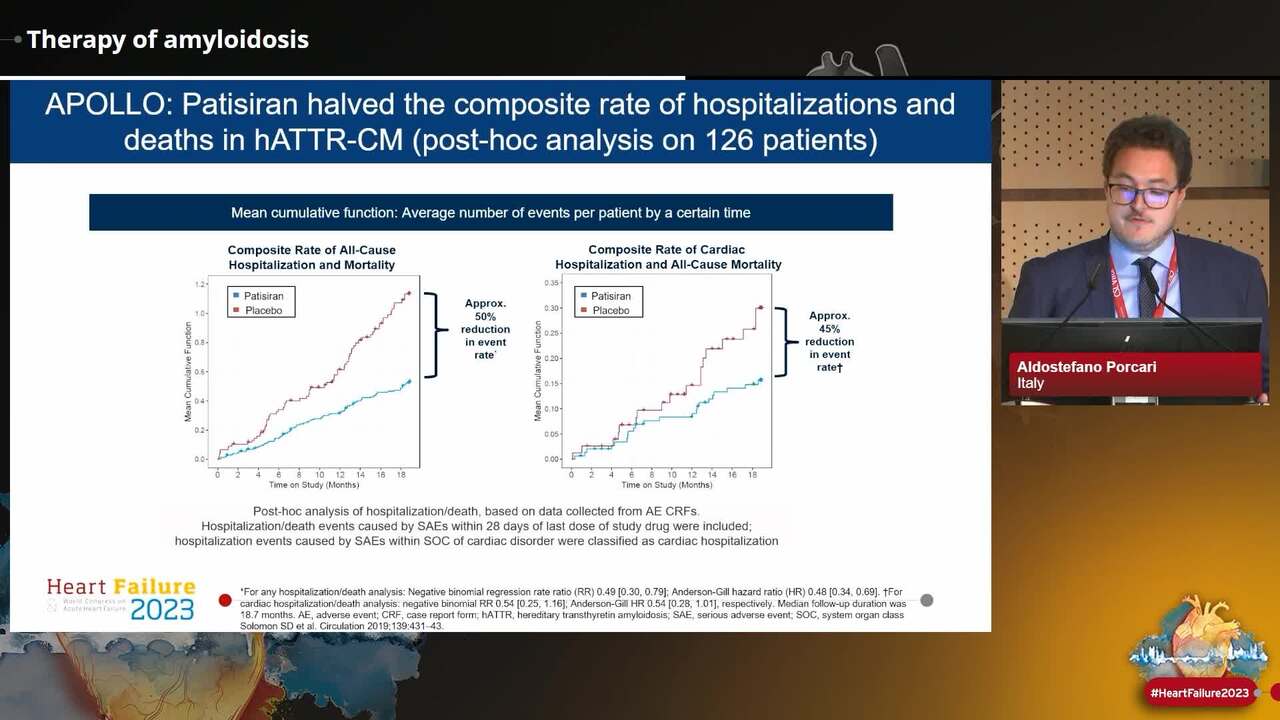
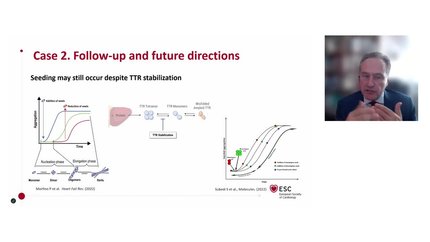
Transthyretin amyloid cardiomyopathy (ATTR-CM) is now a treatable cause of heart failure, but the rapid expansion of disease-modifying therapies has introduced a practical challenge: how to choose and sequence treatments in routine care. Transthyretin (TTR) stabilizers reduce tetramer dissociation, whereas silencers reduce hepatic TTR production. Although recent randomized trials have strengthened the evidence base, real-world management remains heterogeneous and is often driven by availability rather than phenotype, disease stage, and tempo of progression. We propose a pragmatic treatment framework based on two serial decisions: baseline stage (amyloid burden and organ reserve) and short-interval trajectory assessment using standardized clinical, biomarker, and imaging signals. A stabilizer-first approach is often reasonable in earlier-stage patients with stable trajectories, whereas silencer first or early escalation may be favored when progression is rapid, extracardiac involvement is prominent, or trajectory worsens despite treatment. Combination therapy is biologically attractive but remains an evidence gap in the absence of dedicated randomized sequencing data. This review synthesizes contemporary evidence and translates it into a clinic-ready, treat-to-trajectory approach designed to support reproducible decision-making across amyloid and heart failure programs.
Contributors


You may be interested in