Sex disparities in cardiovascular trial recruitment and leadership: a single-centre service evaluation
European Journal of Cardiovascular Nursing


Abstract
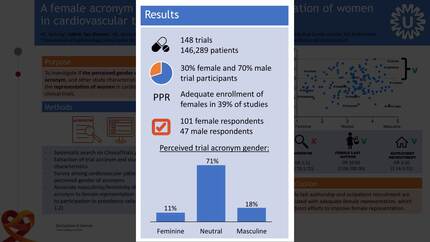
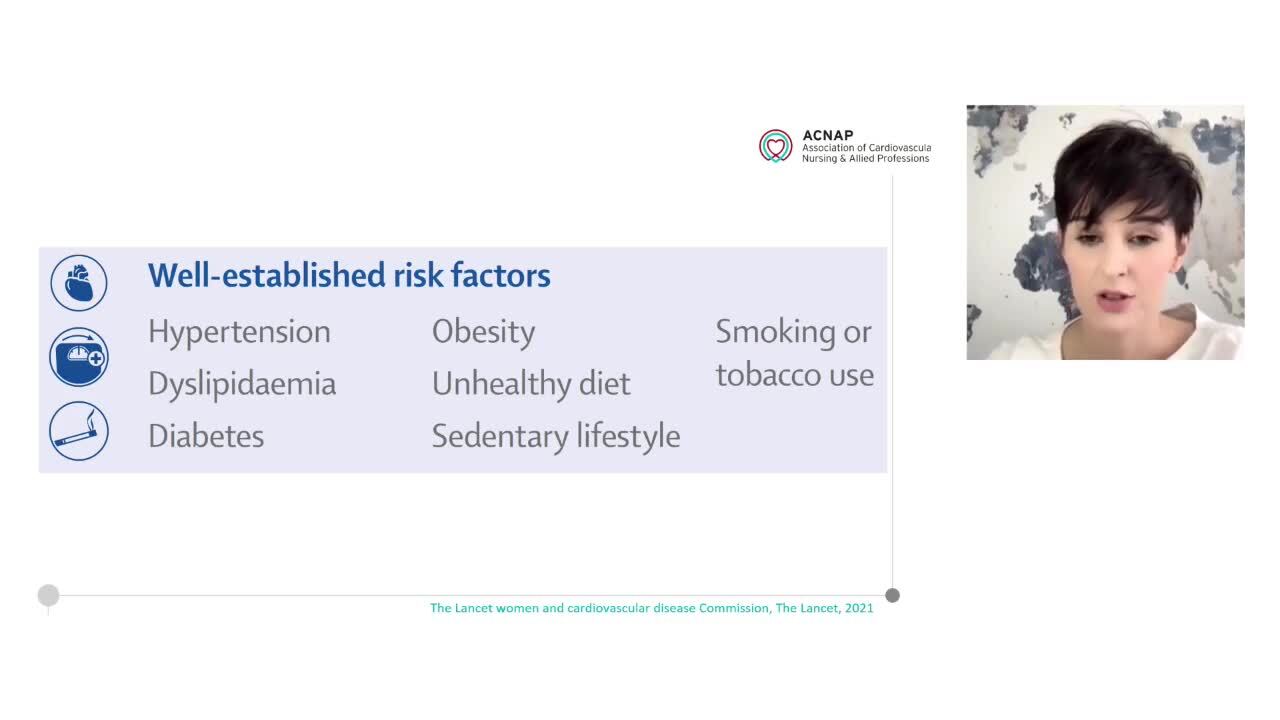
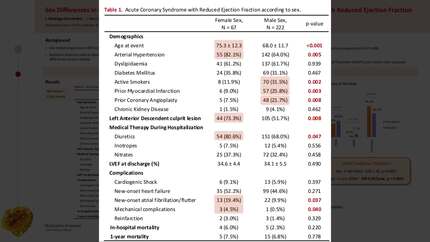
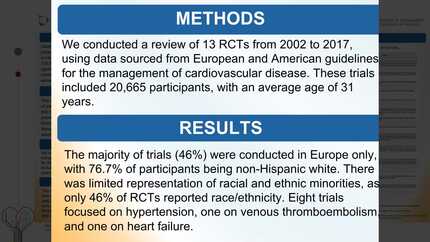
Women remain underrepresented in cardiovascular trials, limiting generalisability and perpetuating inequities. While barriers to participation and the lack of women in research leadership roles are well documented internationally, local patterns are unclear.
To assess women’s representation in cardiovascular trials at a single centre between 2019 and 2024, identify reasons for non-participation, and explore whether women’s trial leadership influences recruitment.
This service evaluation employed a retrospective review of departmental records for all cardiovascular trials open between 2019 and 2024. Data included sex distribution at pre-screening, screening, and enrolment; documented reasons for non-participation; and sex of the Principal and Chief Investigators. Recruitment data were analysed using descriptive statistics and barriers were thematically analysed.
Twenty-five trials were identified, comprising 17 randomised controlled trials (68%) and eight observational studies (32%). Across all studies, 19,550 individuals were pre-screened, of whom 2,739 (14%) were women. At the screening stage, 400 patients were assessed, with women accounting for 56 (14%). Representation improved at enrolment, where 291 of 757 participants (38.4%) were women, largely driven by one trial that enrolled 212 women. Subspecialty analysis showed variation: heart failure trials recruited 160 women of 800 participants (20%), acute coronary syndrome 125 of 500 (25%), lipid studies 128 of 400 (32%), and microvascular angina 80 of 200 (40%). Observational studies recruited proportionally more women than randomised trials. The main reasons for non-participation included language barriers, mobility issues, health concerns, and social pressures. Leadership imbalance was marked, with only one of 25 trials (4%) led by a female Chief Investigator and fewer than 20% having women in Principal Investigator roles.
Women remain underrepresented in cardiovascular trials locally, mirroring global trends. Disparities arise early in recruitment and are compounded by structural barriers and leadership imbalance. To address these gaps, targeted actions are being implemented, including interpreter provision, translated consent materials, flexible scheduling and remote follow-up options, enhanced screening documentation to systematically capture barriers, and integration of equity checks into governance using tools such as an Inclusivity Checklist for Clinical Research. The recent appointment of the first female Principal Investigator marks an encouraging step toward strengthening leadership representation.


You may be interested in