X chromosomal gene expression is linked to an inflammatory plaque phenotype in women with severe atherosclerosis
Cardiovascular Research


Abstract
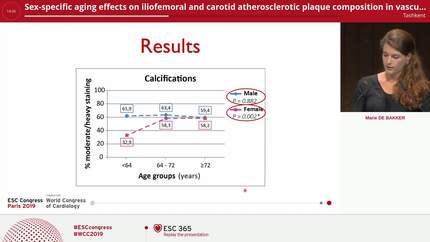
Sex differences in atherosclerosis are well-documented, with women presenting with a more fibrous plaque phenotype while men more often present with an inflammatory plaque phenotype. While sex differences are traditionally mostly attributed to hormonal influences, the contribution of mechanisms related to sex chromosomes are less well studied. Here, we investigate female-biased gene expression from the X chromosome and investigate how it is linked to sex-differential molecular phenotypes in atherosclerosis.
Human end-stage female and male plaques were obtained from carotid endarterectomy patients included in the AtheroExpress biobank. Plaques were histologically assessed and processed to obtain protein (49 female), bulk RNAseq (153 female and 468 male) and single-cell RNAseq (20 female and 26 male) data. We identified female-biased gene expression (FDR<0.01) and created an X-chromosomal female-biased score to capture inter-individual variation. This X-linked score was linked to clinical characteristics, plaque histology and molecular plaque profiles. Additionally, we integrated these human data with findings from the Four Core Genotypes mouse model, which separates the effects of sex chromosomes from those of gonadal sex. Finally, to validate how X-linked scores were dependent on tissue and atherosclerotic burden, we used vascular tissues from the STARNET biobank of patients with coronary artery disease (150 female, 365 male).
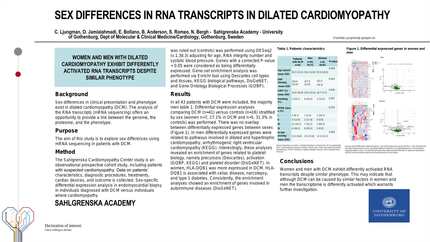
A total of 146 genes were higher expressed in female compared to male plaques. Of these, 94% were located on the X chromosome. Expression of these female-biased X-linked genes varied across individual female plaques and was independent from clinical characteristics. Women with plaques with low X-linked expression had more histological fat content (p= 0.03) and a more inflammatory autosomal gene expression signature compared to female plaques with a high X-linked expression. In Four Core Genotypes mice, sex chromosome complement affected autosomal inflammatory gene expression, partly driven by epigenetic modulator KDM5C in macrophages. Finally, X-linked gene expression was dependent on the vascular bed, and not linked to the amount of atherosclerosis.
Female plaques showed strong enrichment of X-linked female-biased gene expression, with marked variation between women. X-linked gene expression associated with plaque lipids and inflammatory gene expression. In Four Core Genotypes mice, this was affected by sex chromosome complement and partly regulated by KDM5C. The X chromosome plays an important role in sex differences in atherosclerosis.
Contributors


R Hernandez
Author
H Talukdar
Author
K H M Prange
Author
V Mendoza
Author
C B W Wiese
Author
G Pasterkamp
Author
M P J De Winther
Author
M Civelek
Author
J Bjorkegren
Author
K Reue
Author
M Mokry
Author
E Diez Benavente
Author
H M Den Ruijter
Author
You may be interested in