Extensive infiltrative cardiac lipomatosis with ventricular arrhythmias, superior vena cava compression, and biventricular dysfunction in a young woman: a case report
European Heart Journal - Case Reports


Abstract
Intracardiac lipomatosis is an uncommon condition characterized by excessive adipose tissue infiltration within cardiac structures. Although often asymptomatic, it can lead to significant clinical manifestations, including arrhythmias, haemodynamic compromise, and heart failure.
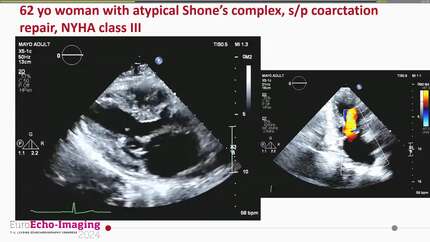
We present the case of a 24-year-old woman who experienced a sudden onset of oppressive chest pain accompanied by palpitations and progressive dyspnoea. Initial laboratory tests were unremarkable except for elevated troponin T levels. Electrocardiographic monitoring revealed frequent ventricular extrasystoles and episodes of non-sustained ventricular tachycardia. Transthoracic echocardiography identified a non-pedunculated infiltrative mass within the interventricular septum and posterior wall, measuring 2.0 × 5.9 cm, with compressive effects on adjacent structures. Advanced imaging with contrast-enhanced chest CT and cardiac MRI confirmed a large fatty mass infiltrating the basal and mid-segments of the interventricular septum and extending into the right ventricle. The lesion exhibited intratumoral fibrosis but lacked enhancement on post-contrast sequences, ruling out malignancy. Despite significant compression of the superior vena cava and mild biventricular dysfunction, the patient declined surgical intervention and was discharged on medical therapy with close outpatient follow-up.
This case underscores the importance of considering intracardiac lipomatosis in young patients presenting with atypical chest pain and arrhythmias. Multimodal imaging plays a crucial role in differentiating benign cardiac masses from malignant tumours, guiding appropriate clinical decision-making. While conservative management may be an option in select cases, careful follow-up is essential to monitor disease progression and assess the need for surgical intervention.
Contributors

María José Campos-Turcios
Author
Verónica Vanesa Gómez-Leiva
Author
Abdelsalam Bensaaud
Author
ugur Canpolat
Author
Sebastian Ekkehard Beyer
Author
Alessandro Palmieri
Author