The impact of inflammation, neuromodulation, and gut microbiota on developing cardiac fibrosis and hypertension
Cardiovascular Research


Abstract
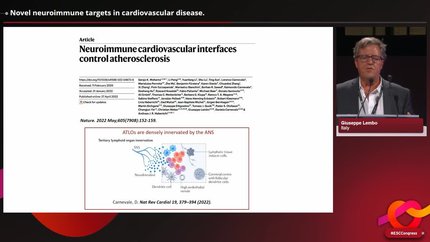
Cardiovascular diseases (CVD) are the leading cause of premature mortality worldwide. Due to pressure overload and cardiac fibrosis, CVD often begin with hypertension and gradually progress to heart failure. Cardiac fibrosis reduces the number of functional cardiomyocytes and the force of contraction while increasing oxygen demand. It has been noted that myofibroblasts, which produce excessive amounts of extracellular matrix in the failing heart, express specific proteins such as periostin, tenascin C, thrombospondin, and osteopontin. Their activation involves immune cells that have a well-documented effect on the pathogenesis of hypertension.
Moreover, dysregulation of the autonomic nervous system and sympathetic hyperactivity heightens peripheral inflammation and fosters fibrosis. In this review, we outline and summarize the most significant and recent findings concerning the molecular pathways of immune activation, neuromodulation, epigenetic modifications, and the impact of gut microbiota on myofibroblast activation and fibrosis in the heart, as well as potential therapeutic options (e.g. experimental anti-inflammatory treatments, epigenetic modulators, and vagus nerve stimulation). We will also highlight how current heart failure treatments, including renin-angiotensin-aldosterone system (RAA) inhibitors, β-adrenergic receptor (β-AR) antagonists, sodium-glucose co-transporter 2 (SGLT2) inhibitors, the Dietary Approaches to Stop Hypertension (DASH), and the Mediterranean diet, affect these processes at a molecular level. A comprehensive understanding of the neuroimmune mechanisms involved in the pathogenesis of heart failure and hypertension is particularly crucial in light of the increased risk of CVD following the COVID-19 pandemic, which resulted from the ‘cytokine storm’ during SARS-CoV-2 infection.
Contributors

Michał Kozdrowicki
Author
Piotr Szczepaniak
Author
Vladyslav Kyslyi
Author
Lorenzo Carnevale
Author
Daniela Carnevale
Author
Giuseppe Lembo
Author
Tomasz J Guzik
Author
You may be interested in