Rare case of young cardiac amyloidosis: difficult diagnostic pathway in routine clinical care
European Heart Journal - Case Reports


Abstract
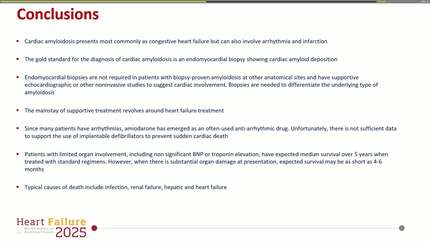
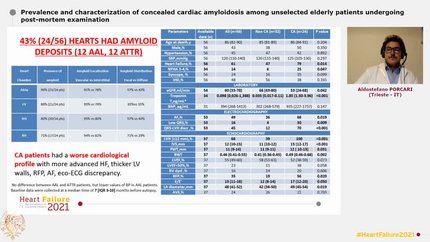
Light-chain amyloidosis (AL) is a rare plasma cell disorder characterized by extracellular deposition of misfolded light chains in multiple organs, typically manifesting with non-specific symptoms that result in delayed diagnosis. Cardiac involvement is a major adverse prognostic factor. The incidence peaks around the age of 65, and occurrence in younger individuals is exceptionally rare, further complicating timely recognition.
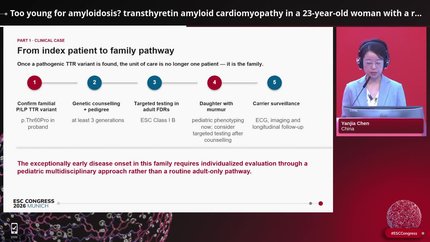
We report a 41-year-old female patient who exhibited a 1-year course of progressive heart failure, ultimately diagnosed as AL amyloidosis. The ‘red flags’ were either overlooked or misattributed to other causes of left ventricular hypertrophy, including hypertrophic cardiomyopathy and Fabry disease, partly due to the patient’s atypically young age and family history. The initial suspicion of cardiac amyloidosis was based on advanced cardiac magnetic resonance imaging, which was not immediately available at the time. The initial tissue biopsy result was negative, necessitating an expert re-evaluation with a polarized light microscopy. Laboratory workup for AL amyloidosis revealed non-IgM monoclonal gammopathy of undetermined significance as a preceded plasma cell disorder.
The diagnosis of AL amyloidosis requires evidence of plasma cell dyscrasia through serum/urine immunochemistry, in addition to the detection and typing of amyloid in tissues. Given the rapid progression of the disease and the poor outcomes observed in the absence of timely targeted therapy, broader laboratory screening for AL amyloidosis should be considered in patients with unexplained hypertrophic phenotype or heart failure, irrespective of age. The improved access to expert multidisciplinary teams through dedicated cardiomyopathy centres is warranted.
Contributors


Elena N Dankovtseva
Author
Maria A Sannikova
Author
Elena A Mershina
Author
Svetlana A Alexandrova
Author
Elena A Stepanova
Author
Mariya Y Suvorina
Author

Constantinos Bakogiannis
Author
Magdy Abdelhamid
Author
Stefano Albani
Author
Andreea Sorina Afana
Author
Deepti Ranganathan
Author
You may be interested in