Impact of diastolic left ventricular strain rate on assessment of aortic regurgitation severity and timing of surgical intervention in patients with preserved left ventricular ejection fraction
European Heart Journal - Cardiovascular Imaging


Abstract
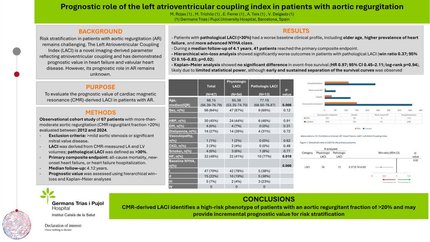
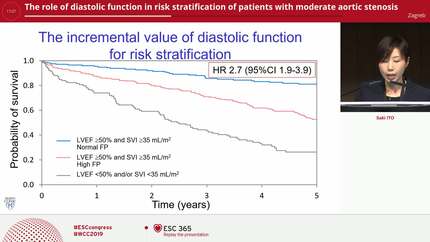
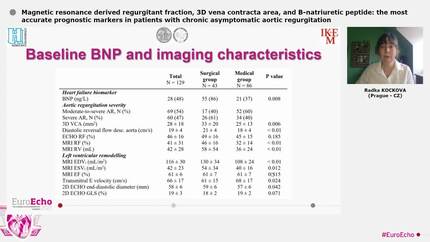
In advanced chronic aortic regurgitation (AR), left ventricular (LV) volume/pressure overload leads to LV hypertrophy and heart failure. Echocardiography often reveals gradual and continuous enlargement of the LV throughout diastole as AR adds to LV inflow. The severity, cardiac overload, and timing of therapeutic interventions in AR patients remain controversial. Here, we investigated mid-diastolic LV strain rate (SRmin) as a measure of LV load due to AR, its relationship to conventional AR measures, and its impact on surgical intervention.
This single-centre retrospective study included 248 patients (mean age, 73 years; 44% females) with chronic AR and LV ejection fraction (LVEF) > 50%, of whom 17% had moderate and 9% severe AR. SRmin values, obtained from a mean frame rate of 67 Hz (61–71), correlated with conventional indices such as vena contracta width (
SRmin, which reflects LV load by AR, can assess AR severity and indicate the timing of therapeutic intervention in patients with preserved LVEF.
Contributors

Mayu Nakamoto
Author
Ayumi Omuro
Author
Toru Ariyoshi
Author
Tomoko Tanaka
Author
Kenta Kunimitsu
Author
Takuya Omuro
Author
Yasuaki Wada
Author
Nobuaki Tanaka
Author
Takeshi Yamamoto
Author
Motoaki Sano
Author
You may be interested in