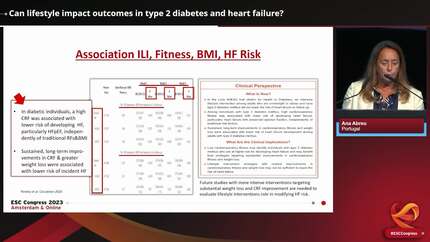
Is there a possibility of changing lifestyle and physical activity in patients with chronic heart failure and type II diabetes? A telemedicine home-based experience
European Heart Journal - Digital Health


Abstract
Heart failure and type 2 diabetes are prevalent public health issues.
This study aimed to evaluate the effectiveness of a 6-month telemedicine program for managing patients at home. The focus was on promoting lifestyle changes and assessing the applicability and usability of devices and apps.
Patients were randomly assigned to an Intervention Group (IG) or a Control Group (CG). The IG received weekly teleassistance via phone or video from a nurse case manager and used a portable electrocardiograph, step tracker, and a smartphone app for communication (Figure 1). The CG received standard care, including visits from their general practitioner. The primary outcome was the difference in distance walked at 6-minute walk test between baseline and six months later (6MWT). Secondary outcomes included improvements in the physical activity profile (PASE), quality of life questionnaires, clinical parameters, and biomarkers. The IG also assessed patient satisfaction with the program and the usability of the devices and app using the System Usability Scale (SUS).
This study included 163 patients, predominantly male (84%), with 82 in the intervention group (IG) and 81 in the control group (CG). The mean age was 71±9 years in the IG and 74±8 years in the CG. Patients in the IG had an average of 21 ± 7.5 scheduled contacts, totaling 1,751. Most actions focused on medications (28%) and physical treatments (52%), along with educational initiatives (41%). The IG recorded an average of 23 ± 11 ECGs per patient and 34,737 ± 17,511 steps weekly, averaging 7,721 ± 3,889 steps daily.
Patient satisfaction was high, with an overall score of 19.4 ± 4.2. Of 72 IG respondents, 25% rated the system as excellent, 21% as good, 39% as fair, and 15% as poor. Technology model of the protocol Study parameters at 6 months


You may be interested in