Effusive constrictive pericarditis and an anterior mediastinal mass: a case report
European Heart Journal - Case Reports


Abstract
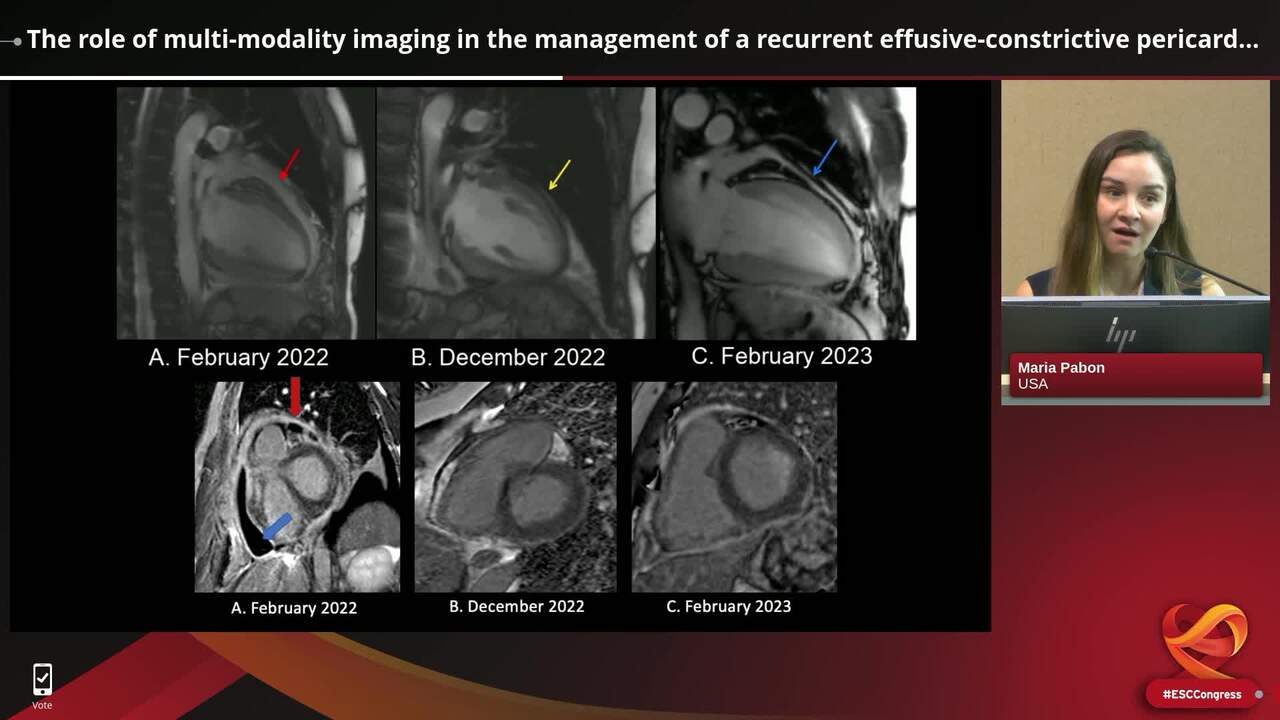
The presence of effusive-constrictive pericarditis (ECP) in the context of malignancies, especially large B-cell lymphoma is rare. Recognizing this presentation is crucial due to its life-threatening nature, as the combination of ECP and cardiac tamponade can cause severe haemodynamic instability in patients.
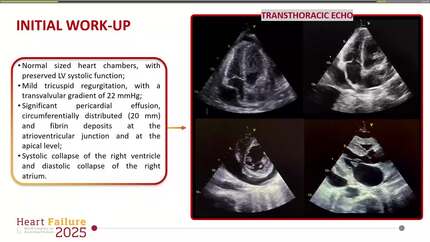
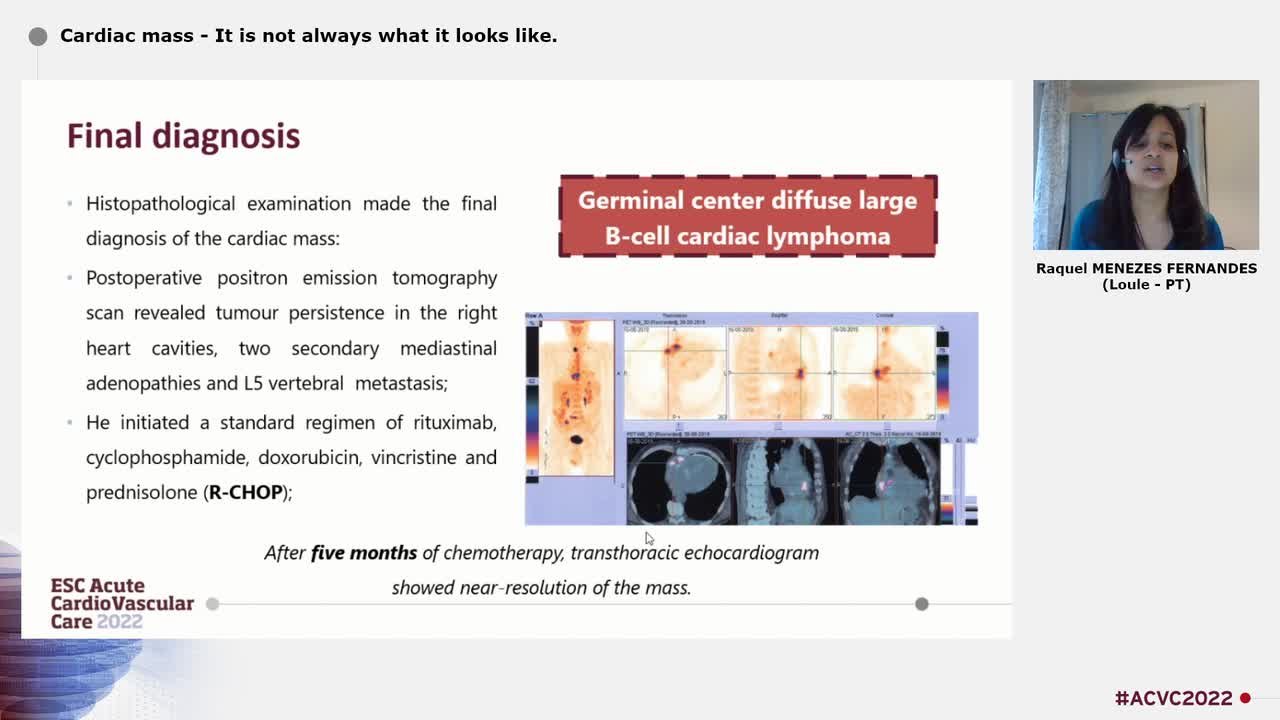
A 22-year-old man presented to the emergency department with a 1-month history of progressively worsening shortness of breath, night sweats, anorexia, 15 pounds weight loss, and palpitations. Laboratory findings revealed elevated white blood cell count, lactate dehydrogenase, D-dimer, lactic acid, and erythrocyte sedimentation rate. Computed tomography scan confirmed a large anterior mediastinal mass, a large pericardial effusion, and moderate-sized pleural effusions bilaterally. Echocardiography confirmed the large pericardial effusion, prompting urgent pericardiocentesis, which yielded 450 cc fluid. Next morning, he redeveloped chest discomfort and tachycardia. Repeating echocardiography redemonstrated moderate-sized pericardial effusion with extensive loculation, fibrinous material, early diastolic collapse, and respiratory variation in mitral inflow, pointing towards ECP with possible tamponade. The patient was started on colchicine and transferred to a tertiary care hospital for further management. Follow-up echocardiograms over there kept showing partly organized focal pockets of pericardial effusion with a small area of echogenic material but no haemodynamic instability. Biopsy, taken from the anterior mediastinal mass, confirmed the diagnosis of primary mediastinal large B-cell lymphoma, and he was started on of rituximab, cyclophosphamide, doxorubicin, vincristine, and prednisone chemotherapy.
Effusive-constrictive pericarditis is an uncommon but critical manifestation of primary mediastinal large B-cell lymphoma. Combination of large pericardial effusion with constrictive features and persistent non-compliant pericardium with elevated intracardiac pressures after pericardiocentesis are its hallmarks.
Contributors

Madiha Kiyani
Author
Waleed R Chaudhry
Author
Yakubu Bene-Alhasan
Author
Shaikh B Iqbal
Author
Rachel MA ter Bekke
Author
Deepti Ranganathan
Author
You may be interested in