Bidirectional ventricular tachycardia following ricin intoxication: a case report
European Heart Journal - Case Reports


Abstract
Ricin is a highly potent toxin derived from the seeds of the castor oil plant (
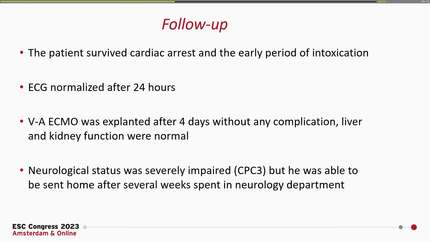
A previously healthy man ingested 15 castor beans in a suicide attempt and presented to the emergency department with a wide-complex tachycardia at 180 bpm and alternating QRS axis, consistent with bidirectional ventricular tachycardia. Due to severe agitation and suspected aspiration, the patient was endotracheally intubated. As there is no specific antidote for ricin, activated charcoal and intravenous sodium bicarbonate were administered. Attempts at rhythm stabilization, including five electrical cardioversion attempts and a cumulative dose of 450 mg amiodarone, were unsuccessful. After approximately 2 h of supportive care, conversion to sinus rhythm occurred, although short episodes of non-sustained ventricular tachycardia and atrial fibrillation persisted. The patient remained intubated for 10 days due to aspiration pneumonia but subsequently recovered fully. The patient was discharged in good health 24 days after admission.
To the best of our knowledge, this is the first reported case of bidirectional ventricular tachycardia following ricin intoxication. A likely mechanism involves toxin-induced myocardial injury resulting in increased automaticity or triggered activity. Re-entry appears unlikely due to the absence of structural heart disease and the failure of electrical cardioversion. This case underscores the importance of recognizing rare toxin-induced arrhythmias in the differential diagnosis of wide-complex tachycardias, highlighting a need for heightened awareness among cardiologists in the context of acute poisoning.
Contributors

Alexandra Schratter
Author
Georg Delle Karth
Author
Philip Eisenburger
Author
Patrick Badertscher
Author
Boldizsar Kovacs
Author
Peter Hämmerle
Author
Teodor Serban
Author
Deepti Ranganathan
Author
You may be interested in