LDL-cholesterol in newborns and children with genetically verified familial hypercholesterolaemia: implications for cholesterol-based screening
European Heart Journal


Abstract
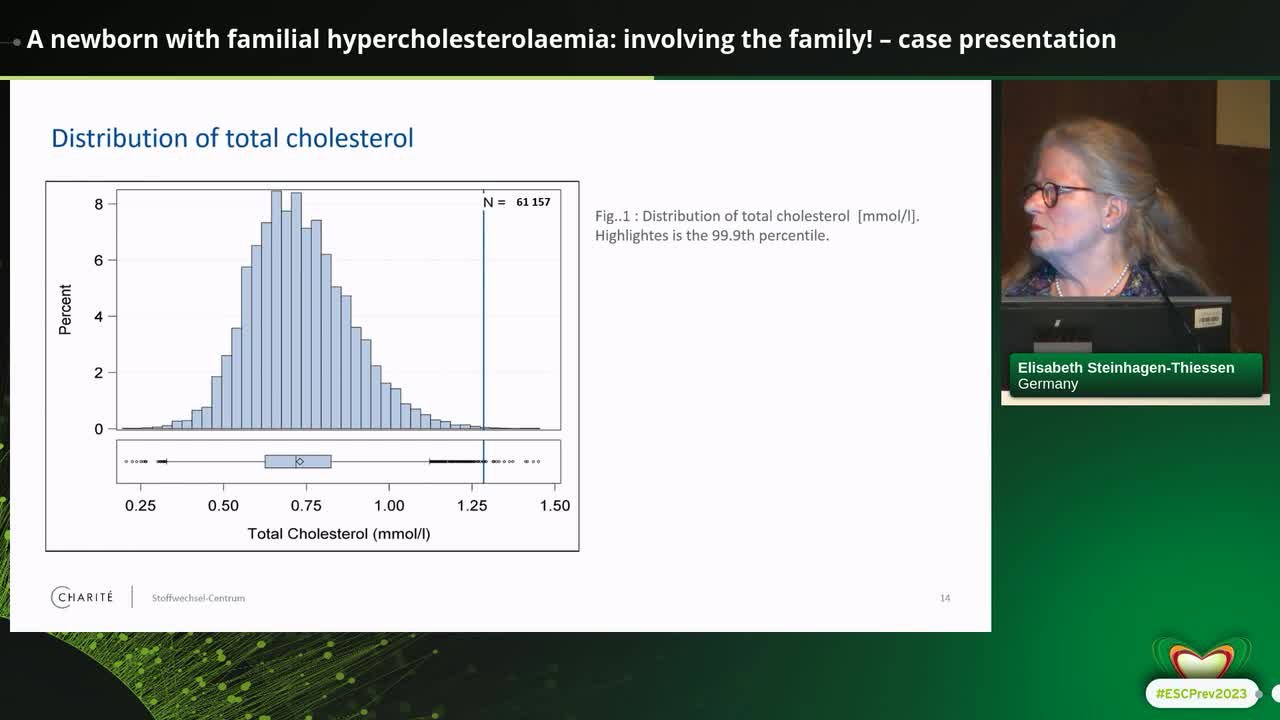
Cholesterol screening in children, with subsequent genetic testing of top percentile, has been suggested as an efficient universal screening approach in familial hypercholesterolaemia (FH). The potential cholesterol-based screening efficacy was investigated in a national genetically based screening programme.
Data were from the Norwegian national family cascade screening programme in FH children from 1998 to 2023. Cholesterol levels [umbilical cord in newborns (
LDL cholesterol (LDL-C) was higher in FH newborns vs non-FH newborns [1.22 (.48) vs .68 (.32) mmol/L,
Previous studies investigating lipid or genetic screening approaches for FH have limitations of only performing genetic testing in children with high LDL-C levels. The present study is the first to show the true LDL-C overlap in children with FH vs non-FH by utilizing unique data from a national family cascade screening programme. Cholesterol-based screening approaches for FH only seem feasible from 1 year of age onward.
Contributors

Tonje Talsnes Stava
Author
Knut Erik Berge
Author
Thea Bismo Strøm
Author
Kjetil Retterstøl
Author
Kirsten B Holven
Author
You may be interested in