Abstract
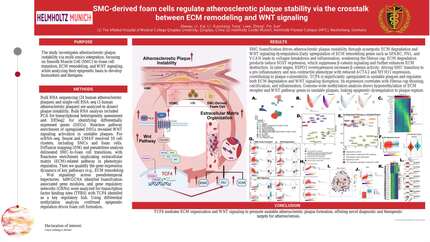
Atherosclerosis, the leading cause of various cardiovascular events, is driven by the expansion of cholesterol-containing foam cells in the arterial intima. Excessive foam cell accumulation triggers apoptosis and necrosis, promoting necrotic core formation and plaque destabilization. Despite the therapeutic appeal of targeting foam cells in atherosclerosis treatment and prevention, developing effective targeted therapies remains challenging. This review provides a comprehensive overview of foam cell origins and pathogenic roles, as well as the cross-talk between foam cells and residual atherosclerotic risks. We examine potential foam cell interventions, focusing on the pleiotropic properties of clinical drugs and natural product potential. Finally, we propose strategies for foam cell ablation to facilitate the development of foam cell-targeted precision therapies for atherosclerosis.
Contributors

Jian Ai
Author
Xin Tang
Author
Yongkang Zhou
Author
Bingyong Mao
Author
Qiuxiang Zhang
Author
Jianxin Zhao
Author
Wei Chen
Author
Shumao Cui
Author
You may be interested in