Ruptured and trapped: balloon dissection of left main coronary artery successfully managed with bailout stenting—a case report
European Heart Journal - Case Reports


Abstract
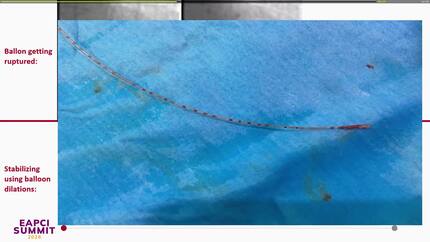
Abrupt left main coronary artery (LMCA) closure from ruptured balloon during percutaneous coronary intervention is rare and can be catastrophic. A comprehensive knowledge of the various bailout techniques in such situations can be life-saving. We describe a case of abrupt left main vessel closure leading to haemodynamic instability and the techniques employed for a prompt and successful revascularization.
A 74-year-old gentleman presented with effort angina. His
This case highlights the catastrophic complication of abrupt LMCA closure with remanent balloon fragment that may occur with balloon rupture. Recognizing the various factors that lead to balloon rupture is important. Establishing LMCA perfusion while maintaining haemodynamics should be the primary goal in patients with acute LMCA occlusion. Bailout stenting decreases the time lapse and subsequent prolonged ischaemia with worsening left ventricular function compared to coronary artery bypass grafting.
Contributors

Ravikumar Aluri
Author

Shyam Sundar Reddy P
Author
Ajit Kumar Patnaik
Author
F Aaysha Cader
Author
Muhammad Usman Sheh
Author
John Kanakakis
Author
Gavin Paul Raphael Manmathan
Author
Deepti Ranganathan
Author
You may be interested in