Rbm20 antisense oligonucleotides alleviate diastolic dysfunction in a mouse model of cardiometabolic heart failure (HFpEF)
Cardiovascular Research


Abstract
Heart failure with preserved ejection fraction (HFpEF) is prevalent, deadly, and difficult to treat. Risk factors such as obesity and hypertension contribute to cardiac inflammation, metabolic defects, and pathological remodelling that impair ventricular filling in diastole. Titin based stiffness is a main determinant of diastolic function and can be adjusted by the splicing regulator
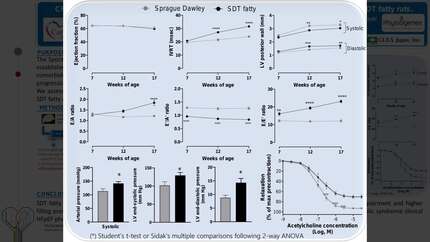
Here, we optimized RBM20-ASO dosing in a HFpEF mouse model that closely mimics human disease, characterized by metabolic syndrome and comorbidities, but without primary defects in titin or RBM20. Partial inhibition of RBM20 (∼50%) selectively increased compliant titin isoforms, improving diastolic function while preserving systolic performance. This intervention reduced left ventricular stiffness, enhanced relaxation, and mitigated cardiac hypertrophy, despite ongoing systemic comorbidities.
Our findings demonstrate that targeting titin stiffness with Rbm20-ASOs can serve as an alternative or adjunctive therapeutic strategy for HFpEF to restore cardiac function and prevent further organ damage. The approach may offer benefits even in the presence of phenotypic heterogeneity and unresolved systemic comorbidities.
Contributors

Mei Methawasin
Author
Stefan Meinke
Author
Michael H Radke
Author
Gerrie P Farman
Author
Zaynab Hourani
Author
John E Smith
Author
Wei Guo
Author
Henk Granzier
Author
You may be interested in