Targeting CD8+ T cells in cardiovascular diseases: current options and therapeutic perspectives
Cardiovascular Research


Abstract
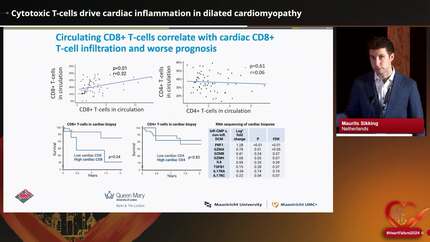
T lymphocytes expressing the CD8 coreceptor, often referred to as cytotoxic T lymphocytes, are critical in defending against virus infections and cancers. CD8 encompasses a diverse family of proteins, including homodimers, heterodimers, isoforms, and splice variants. CD8αβ heterodimers are the predominant form of the CD8 membrane protein, often anchored to lipid rafts to facilitate the activation of the T cell receptor. Small molecules like itaconate have been shown to modulate CD8+ T cell expression. Anti-CD8 monoclonal antibodies (mAbs) targeting either CD8α or CD8β are available to study the functions of CD8+ cells in experimental models. Additionally, various immuno-imaging probes, such as 89Zr-crefmirlimab berdoxam, have been developed to predict the response of cancers to immunotherapy. The potential use of anti-CD8 mAbs to treat diseases associated with hyperactivation of cytotoxic CD8+ T cells is also under investigation. This includes conditions such as acute (e.g. ischaemic heart failure, ischaemic stroke), subacute (e.g. myocarditis), and chronic cardiovascular diseases (atherosclerosis). The use of anti-CD8 mAbs represents a promising therapeutic strategy to combat diseases characterized by excessive cytolytic activity of T cells. Experimental models have shown that anti-CD8 depleting mAbs can effectively limit tissue damages caused by CD8+ T cells. As a result, the time is ripe to evaluate these treatments in humans. Preclinical development of the first therapeutic anti-CD8 mAb (PLG101) is currently underway.
Contributors

Luna Chetrit
Author
Corinne Tanchot
Author
Clement Cochain
Author
Alma Zernecke
Author
Marc Vocanson
Author
Benoit Bensaid
Author
Rida Al-Rifai
Author
Alain Tedgui
Author
Heinz-Peter Schultheiss
Author
Christian Baumeier
Author
Christian Bailly
Author
Vincent Duval
Author
Icia Santos-Zas
Author
Théo Guyon
Author
You may be interested in