Is there an additional risk of chest radiation in symptomatic aortic stenosis and the development of multivalvular disease?
European Heart Journal Supplements


Abstract
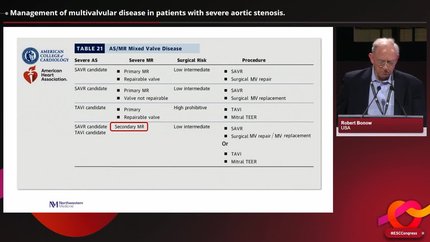
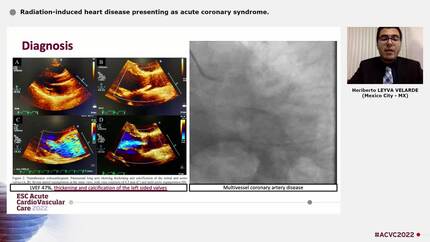
Radiation-induced valvular heart disease mainly results in aortic stenosis (AS), with concurrent chemotheraphy adding to damage. The management of outcomes is complex because of simultaneous regurgitant and stenotic valvular lesions, as well as multiple valve involvement.
The study aimed to identify variables associated with the development of valve disease, primarily severe aortic stenosis, in patients with or without a history of chest radiation and to determine multivalvular involvement apart from the aortic valve stenosis.
We retrospectively analysed a database of 551 patients with severe aortic stenosis who were admitted from September 2020 to September 2024 at the Heart Valve Department. Patients had an average age of 78.432 years ± 8.423 (range: 30-95), with 54.4% being female, and an average BMI of 27.749 ± 5.038 (15.6-44.4). They were divided into two groups: group (I) included severe AS and a history of chest radiation (CR) and chemotherapy due to malignancy, and group (II) consisted of severe AS without mediastinal radiation/chemotherapy. For the groups of patients, we analysed risk factors: arterial hypertension (AH), diabetes mellitus (DM), dyslipidaemia (DIS), smoking, the presence of atrial fibrillation (AF), coronary artery disease (CAD), the intervention (TAVR or SAVR) and the presence of the coexisting multivalvular involvement (aortic, mitral, tricuspid valve regurgitation and mitral valve stenosis).
Of the 551 analyzed patients with severe aortic stenosis, predominantly were females (75% vs. 53.0%, P=0.01) among the 36 oncology patients with a history of chest radiation/chemotherapy, mostly due to breast cancer history. When comparing the group of patients with severe AS and a history of chest radiation/chemotherapy (6.5%) to the group without chest radiation/chemotherapy and AS (93.5%), there was a statistically significant difference (P<0.001). There was no age difference between the groups (P=0.194). Despite overall higher presence of multivalve involvement in the group of patients with chest radiation/chemotherapy, it wasn't statistically significant compared to the group of patients with severe AS and no history of CR. DM was more common in patients with severe AS and no CR (group II) compared to a group I (severe AS and CR), with a statistically significant difference between groups (respectively 32.8% vs. 11.1%, P=0.007), whereas dyslipidaemia showed a tendency for positive significance (75.7% vs. 61.1%, P = 0.051).
Our results suggest that there is an increased risk of developing severe symptomatic aortic stenosis after malignancy treatment and chest radiation, especially in women. The multivalve involvement was overall more common in the chest radiation group, but not statistically significant. Comparing risk factors, DM and DIS had more impact on development of degenerative AS group and chest radiation in patients with a malignancy history group.
Contributors



You may be interested in