A comparative analysis of conduction system pacing and biventricular pacing in patients undergoing atrioventricular node ablation: a systematic review and meta-analysis
EP Europace Journal


Abstract
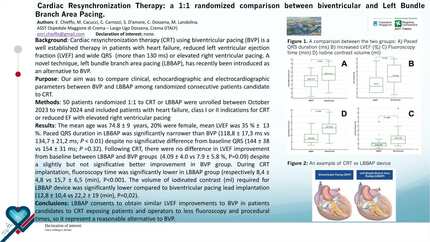
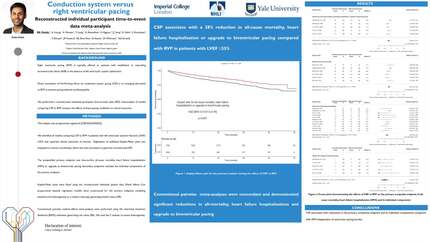
Atrioventricular node ablation (AVNA) with permanent pacemaker implantation is an established rate-control treatment approach for patients with AF with uncontrolled ventricular rates. Conduction system pacing (CSP) utilizing His bundle pacing (HBP) or left bundle branch area pacing (LBBAP) has advanced as a treatment alternative to standard right ventricular pacing in addition to biventricular pacing (BVP). This systematic review and meta-analysis aim to provide a comprehensive summary and evaluation of clinical outcomes in the literature for CSP in comparison to BVP in conjunction with AVNA.
This study protocol was registered in the PROSPERO registry (CRD42024510974), and the review was conducted as per the PRISMA guidelines. Databases were searched for relevant studies from inception till 11 January 2024. Results were synthesized using a random effects meta-analysis. From a total of 259 references identified, 122 full texts were assessed, and 25 studies were included in the systematic review. Of these included studies, five were used for comparative meta-analysis. A total of 1652 (HBP 1069 and LBBAP 644) and 369 patients received CSP and BVP implantation with AVNA, respectively. Conduction system pacing resulted in a narrower QRS duration (QRSd) with a change of −35.8 ms (95% CI −61.8 to −9.72;
Conduction system pacing with AVNA is a safe and feasible treatment option for symptomatic (AF) patients undergoing a pace and ablate strategy, offering an alternative to BVP. Overall, CSP results in a narrower QRS duration while providing comparable clinical and echocardiographic outcomes.
Contributors

Akash Mavilakandy
Author

Ahmed M Abdelrazik
Author
University of Leicester Leicester , United Kingdom of Great Britain & Northern Ireland
Khaled Abouelmagd
Author
Ivelin Koev
Author
Ravi Chotalia
Author
Sachin Sudhakaran
Author
Abdulmalik Idris Koya
Author
Ibrahim Antoun
Author
Hany Eldeeb
Author
Hisham Ahamed
Author
Harshil Dhutia
Author

Riyaz Somani
Author
University Hospital of Leicester Leicester , United Kingdom of Great Britain & Northern Ireland

G Andre Ng
Author
University of Leicester Leicester , United Kingdom of Great Britain & Northern Ireland
Mokhtar Ibrahim
Author
You may be interested in