Impact of sodium-glucose cotransporter-2 inhibitors on cardiovascular outcomes in cancer patients: a systematic review and meta-analysis of heart failure hospitalisation and mortality
European Journal of Preventive Cardiology


Abstract
The use of Sodium-glucose cotransporter-2 inhibitors (SGLT2i) has demonstrated cardiovascular benefits in a variety of patient populations [1]. This systematic review and meta-analysis aims to determine the impact of SGLT2i on cardiovascular outcomes, specifically heart failure (HF) hospitalisation and mortality in patients with cancer.
A systematic literature search of PubMed and Ovid databases was conducted from inception until the 18th of November 2023. The search criteria used were : ["((SGLT2) OR (Sodium glucose cotransporter 2 inhibitors) OR (canagliflozin) OR (dapagliflozin) OR (empagliflozin) OR (ertugliflozin)) AND (cancer)"]. The primary inclusion criteria for studies were: Randomised Controlled Trials (RCTs) or observational studies, involving patients administered SGLT2 inhibitors, with a comparison group. The outcomes of interest were all-cause mortality and heart failure hospitalisation. Exclusion criteria included studies not specifically examining patients on SGLT2 inhibitors, and studies not reporting on cardiac dysfunction outcomes. The statistical analysis was conducted using R 4.3.1 on RStudio.
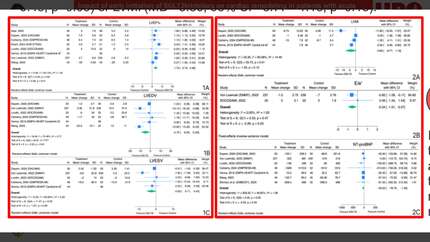
Our search yielded 1304 studies, out of which, 8 studies with 2402 patients receiving SGLT2i and 30,494 controls were included in the analysis. The pooled analysis of 6 studies and 32,197 patients revealed that SGLT2i use was associated with a significant reduction in the risk of All-Cause Mortality (Risk Ratio [RR] 0.49, 95% Confidence Interval [CI] [0.35, 0.67], I² = 93%, p < 0.01) [figure 1]. In addition, meta-analysis of 5 studies and 4,116 patients showed that the use of SGLT2i was associated with 62% reduction of HF Hospitalisation (Risk Ratio [RR] 0.49, 95% Confidence Interval [CI] [0.35, 0.67], I² = 93%, p < 0.01) [figure 2].
SGLT2i is associated with a significant decrease in both HF hospitalisation and all-cause mortality rates in patients with cancer. These findings suggest that SGLT2i could be beneficial in managing cardiovascular outcomes in this patient population. Further research is warranted to elucidate the mechanisms and potential clinical applications of SGLT2i in oncological settings.
Contributors

U Bhalraam
Author
S Paddock
Author
J Meng
Author
Norfolk And Norwich University Hospitals Nhs Foundation Trust Norwich , United Kingdom of Great Britain & Northern Ireland
V Vassiliou
Author
V Tsampasian
Author
You may be interested in