Oedema index trajectories at heart failure nurse clinics over 6 months after acute heart failure predict patient outcomes: a retrospective cohort study
European Journal of Cardiovascular Nursing


Abstract
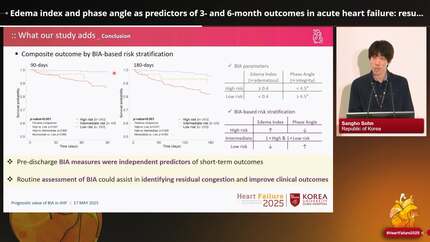
Fluid accumulation is associated with poor outcomes in patients with heart failure (HF). After acute HF, HF nurses provide home care suggestions based on oedema status assessed at outpatient clinics. However, the pattern of serial oedema changes and their associations with patient outcomes are unknown. We investigated the trajectories of bioimpedance analysis (BIA)–derived oedema index (EI) changes following acute HF and their prognostic value.
This was a retrospective cohort study. We recruited 761 patients hospitalized for HF. Multisegmented and multifrequency BIA-derived EIs were measured at HF nurse outpatient clinics after discharge for 6 months. We explored the trajectories of EIs and their associations with all-cause rehospitalization and death within 2 years. Four EI trajectories were identified: trajectory 1 [T1, no oedema,
During the 6-month outpatient period after hospitalization, the EI trajectory of fluctuation or worsening was associated with poor outcomes. In the post-acute phase, monitoring the EI trajectory helps identify high-risk patients for optimizing HF management.
Contributors

You may be interested in