Case report of entrectinib associated fulminant myocarditis
European Heart Journal - Case Reports


Abstract
ROS1 tyrosine kinase inhibitors are one of the primary immunotherapies for
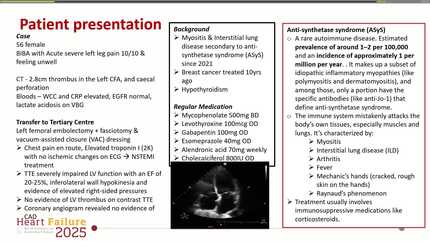
A 27-year-old male being treated for lung adenocarcinoma who presented new congestive heart failure 2 weeks after starting Entrectinib. He developed refractory ventricular tachycardia, cardiogenic shock with an endomyocardial biopsy that showed active lymphohistiocytic myocarditis. With antiarrhythmic therapy, heavy sedation, mechanical circulatory support, and high-dose steroids, the patient had complete resolution of symptoms and return to baseline status.
This is a rare case with a severe complication after starting Entrectinib for lung adenocarcinoma. In the literature, this is the first case of its kind presenting with myocarditis and severe heart failure after treatment with Entrectinib. This case highlights not only using cardiac imaging, and biopsy to help guide the diagnosis, but also describe the appropriate management.
Contributors

Gohar Rundhawa
Author
Murtaza Ali
Author
Ron Jacob
Author
Edmond Obeng-Gyimah
Author
Michael N Vranian
Author
Clement Lau
Author
Duygu Kocyigit Burunkaya
Author
Andreas Metzner
Author
Kemal Emrecan Parsova
Author
Reshma Amin
Author
Deepti Ranganathan
Author
You may be interested in