Colchicine prevents accelerated atherosclerosis in TET2-mutant clonal haematopoiesis

European Heart Journal

30 August 2024
Organised by: Logo
ESC Journals CARDIOVASCULAR PHARMACOLOGY CORONARY ARTERY DISEASE, ACUTE CORONARY SYNDROMES, ACUTE CARDIAC CARE Acute Coronary Syndromes BASIC SCIENCE

Abstract

AbstractBackground and Aims

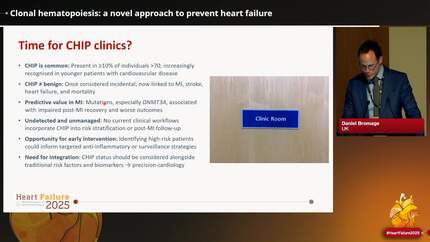
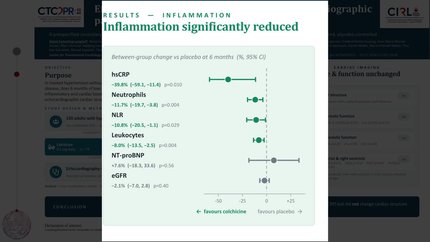
Somatic mutations in the TET2 gene that lead to clonal haematopoiesis (CH) are associated with accelerated atherosclerosis development in mice and a higher risk of atherosclerotic disease in humans. Mechanistically, these observations have been linked to exacerbated vascular inflammation. This study aimed to evaluate whether colchicine, a widely available and inexpensive anti-inflammatory drug, prevents the accelerated atherosclerosis associated with TET2-mutant CH.

Methods

In mice, TET2-mutant CH was modelled using bone marrow transplantations in atherosclerosis-prone Ldlr−/− mice. Haematopoietic chimeras carrying initially 10% Tet2−/− haematopoietic cells were fed a high-cholesterol diet and treated with colchicine or placebo. In humans, whole-exome sequencing data and clinical data from 37 181 participants in the Mass General Brigham Biobank and 437 236 participants in the UK Biobank were analysed to examine the potential modifying effect of colchicine prescription on the relationship between CH and myocardial infarction.

Results

Colchicine prevented accelerated atherosclerosis development in the mouse model of TET2-mutant CH, in parallel with suppression of interleukin-1β overproduction in conditions of TET2 loss of function. In humans, patients who were prescribed colchicine had attenuated associations between TET2 mutations and myocardial infarction. This interaction was not observed for other mutated genes.

Conclusions

These results highlight the potential value of colchicine to mitigate the higher cardiovascular risk of carriers of somatic TET2 mutations in blood cells. These observations set the basis for the development of clinical trials that evaluate the efficacy of precision medicine approaches tailored to the effects of specific mutations linked to CH.

Contributors

Zhi Yu
Zhi Yu

Author

Pradeep Natarajan
Pradeep Natarajan

Author

Massachusetts General Hospital Boston , United States of America

José J Fuster
José J Fuster

Author

National Centre for Cardiovascular Research (CNIC) Madrid , Spain