TNF-α protects from exacerbated myocarditis and cardiac death by suppressing expansion of activated heart-reactive CD4+ T cells
Cardiovascular Research


Abstract
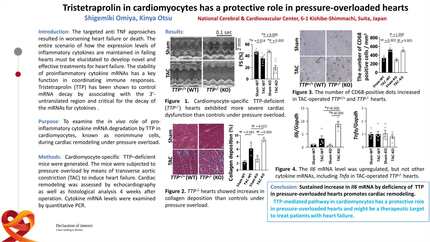
Tumour necrosis factor α (TNF-α) represents a classical pro-inflammatory cytokine, and its increased levels positively correlate with the severity of many cardiovascular diseases. Surprisingly, some heart failure patients receiving high doses of anti-TNF-α antibodies showed serious health worsening. This work aimed to examine the role of TNF-α signalling on the development and progression of myocarditis and heart-specific autoimmunity.
Mice with genetic deletion of TNF-α (
TNF-α signalling promotes myocarditis development by activating cardiac endothelial cells. However, in the case of established disease, TNF-α protects from exacerbating cardiac inflammation by inducing activation-induced cell death of heart-reactive Teff. These data might explain the lack of success of standard anti-TNF-α therapy in heart failure patients and open perspectives for T cell–targeted approaches.
Contributors

Filip Rolski
Author
Karolina Tkacz
Author
Kazimierz Węglarczyk
Author
Grzegorz Kwiatkowski
Author
Paweł Pelczar
Author
Agnieszka Jaźwa-Kusior
Author
Anna Bar
Author
Gabriela M Kuster
Author
Stefan Chłopicki
Author
Maciej Siedlar
Author
You may be interested in