Abstract
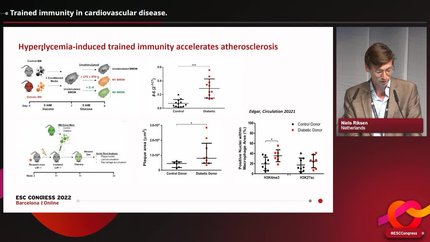
Low-grade systemic inflammation is a key pathophysiological component of atherosclerotic cardiovascular disease (CVD), and long-term activation of myeloid cells is thought to be crucial for these effects. Obesity and associated metabolic complications including hyperglycaemia and dyslipoproteinaemia can induce long-lasting inflammatory reprogramming of the innate immune cells and their bone marrow progenitors, which in turn contributes to atherosclerosis. In this review, we discuss the mechanisms through which innate immune cells undergo long-term changes in their functional, epigenetic, and metabolic characteristics upon even short-term exposure to endogenous ligands, a process also termed ‘
Contributors


You may be interested in