Impact of biomarker type on periprocedural myocardial infarction in patients undergoing elective PCI
European Heart Journal - Quality of Care and Clinical Outcomes


Abstract
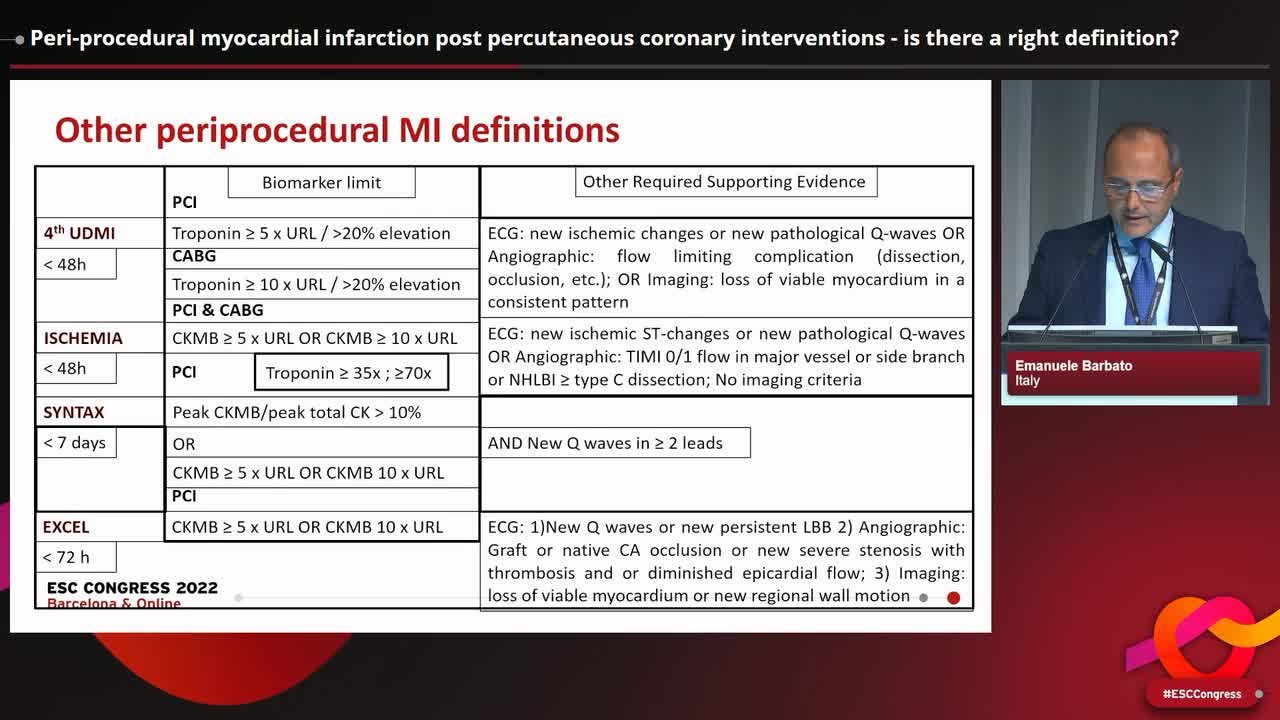
Periprocedural myocardial infarction (MI) according to the Society for Cardiovascular Angiography and Interventions (SCAI) criteria has prognostic relevance among patients undergoing percutaneous coronary intervention (PCI). However, it is unclear whether the type of cardiac biomarker used for the diagnosis of periprocedural MI plays a role in terms of event frequency and outcomes.
To compare the characteristics of SCAI periprocedural MI based on creatine kinase-myocardial band fraction (CK-MB) vs. high-sensitivity cardiac troponin (hs-cTn) in patients undergoing elective PCI.
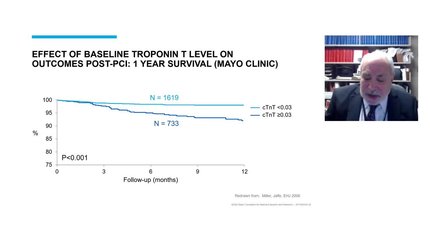
Between 2017 and 2021, periprocedural MI was assessed in a prospective study. The primary clinical outcome of interest was all-cause death at 1-year follow-up. A total of 1010 patients undergoing elective PCI were included. SCAI periprocedural MI based on CK-MB vs. hs-cTnI occurred in 1.8 and 13.5% of patients, respectively. hs-cTnI periprocedural MI in the absence of concomitant CK-MB criteria was associated with lower rates of ancillary criteria, including angiographic, ECG, and cardiac imaging criteria. At 1-year follow-up, periprocedural MI defined by CK-MB (adjusted hazard ratio, HR, 4.27, 95% confidence intervals, CI, 1.23–14.8;
In the setting of elective PCI, using hs-cTn instead of CK-MB resulted in a substantial increase in SCAI periprocedural MI events, which were not prognostically relevant in the absence of concurrent CK-MB elevations.
Contributors


Attilio Leone
Author
Marisa Avvedimento
Author
Fiorenzo Simonetti
Author
Domenico Ippolito
Author
Domenico Angellotti
Author
Nicola Verde
Author
Lina Manzi
Author
Plinio Cirillo
Author
Luigi Di Serafino
Author
Giuliana Fortunato
Author
Anna Franzone
Author
Giovanni Esposito
Author
You may be interested in