Knowledge on heart disease of the person with ischemic heart disease
European Journal of Cardiovascular Nursing


Abstract
Type of funding sources: None.
Instruments that allow us to measure the users' knowledge about their health can be useful in clinical practice to allow adjusting interventions, quantifying health gains and developing cost-effective interventions.
To determine knowledge about heart disease among the population with diagnosed ischemic heart disease.
Cross-sectional, descriptive study using a sequential sample of patients with ischemic heart disease admitted between May 2nd and July 30th, 2022 at the cardiology service of the Hospital Centre of our city. A self-administered questionnaire was developed and applied to 165 patients, encompassing several dimensions: sociodemographic characteristics, clinical history, lifestyle, number of hospitalizations due to heart disease and characterization of the current admission. An instrument was used to determine knowledge about heart disease (Questionário de Avaliação de Conhecimentos em Doença Cardíaca: QACDC - Questionnaire for the Assessment of Knowledge in Heart Disease), the Medical Term Recognition Test (METER) to assess literacy and the Hospital Anxiety and Depression Scale (HADS). Patients were assessed during their stay at the hospital unit where they had been admitted due to an acute illness or for elective procedures. Using, preferably, parametric tests, we studied the association between the average score obtained in the QAC-DC and the variables studied.
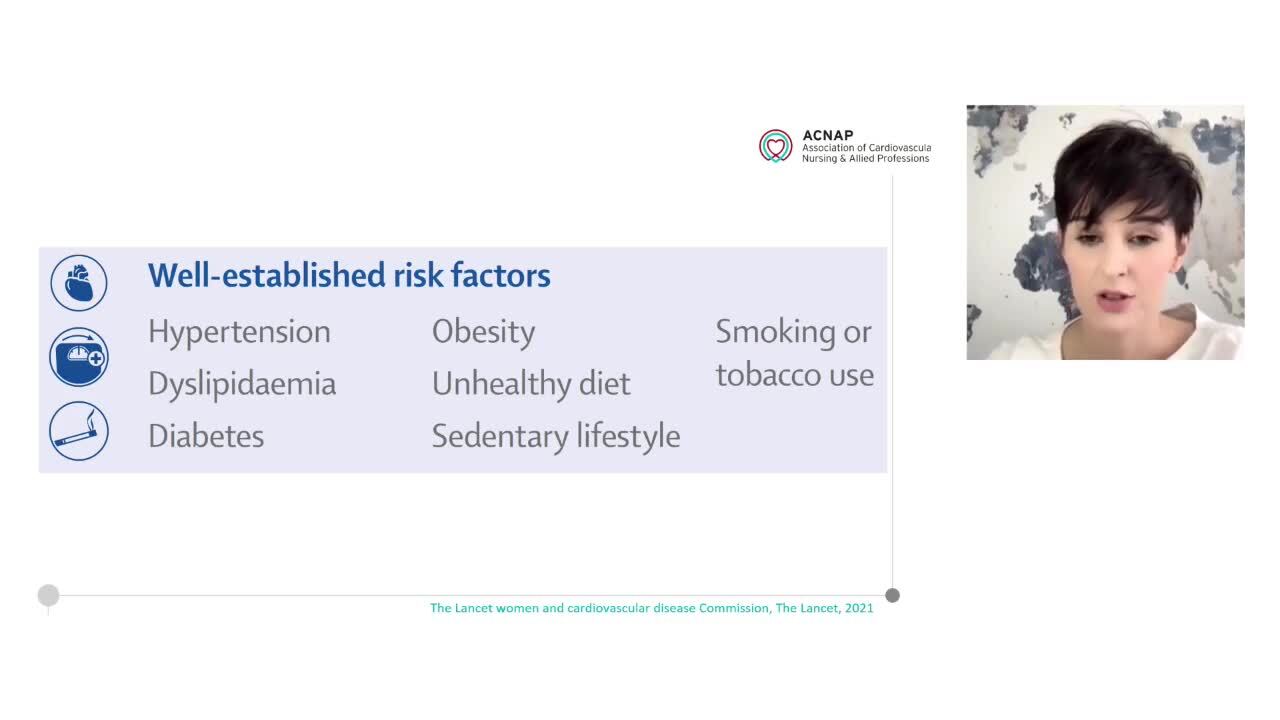
Women, the less educated and those with inadequate literacy levels were the groups with the lowest levels of knowledge. Regarding the areas of knowledge, the least recognized cardiovascular risk factors were the family history of ischemic heart disease (recognized by 86%), diabetes mellitus (recognized by 73%) and gender (marked by 19% of respondents). The most frequently identified symptom of heart disease was chest discomfort (92%), followed by difficulty breathing or shortness of breath (84%), while jaw, neck or interscapular discomfort was only recognized by 54% of respondents. Symptoms of stroke and acute myocardial infarction were confused by 88% of the sample.
There are important gaps in some areas of knowledge about heart disease among patients with ischemic heart disease. These gaps are particularly important in certain patient subgroups. Health intervention strategies must be sensitive to these data. The QAC-DC knowledge assessment instrument proved to be reliable, valid and applicable in clinical practice.
Contributors


You may be interested in