Therapy of Type 2 diabetes: more gliflozines and less metformin?
European Heart Journal Supplements


Abstract
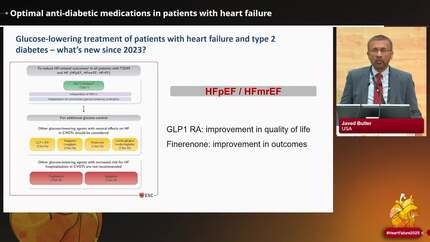
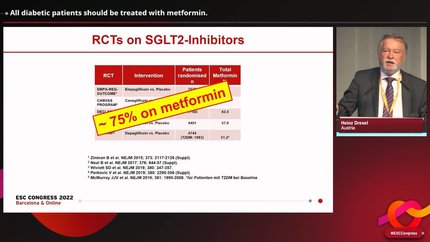
Metformin is a frequently used anti-diabetic drug. In addition to the well-known modulating properties on glyco-metabolic control, metformin reduces cardiovascular (CV) risk partly independently of its anti-hyperglycaemic effect. The use of ‘new’ anti-diabetic drugs, inhibitors of the renal Na-glucose co-transporter (SGLTs-I or ‘gliflozines’) and GLP-1 receptor agonists (GLP1-RAs), has further contributed to challenge the strictly ‘gluco-centric’ view of diabetic CV disease. Several controlled trials have demonstrated that the cardio-renal benefits of gliflozines and GLP1-RAs are present regardless of the presence of metformin as ‘background’ therapy. The impact on the ‘cardio-renal continuum’ exerted by SGLTs-I was also noted in non-diabetic patients with heart failure and reduced or preserved ventricular function and different levels of renal function. These drugs reduced re-hospitalization, CV mortality, and progression to end-stage renal disease. These clinical acquisitions, implemented by Scientific Societies, have led to a change in the therapeutic approach to diabetic cardio-renal disease. Although metformin still represents a valid therapeutic option to be offered particularly to ‘naïve’ diabetic patients without previous cardio-renal events, SGLTs-I and/or GLP1-RAs emerge as ‘first-line’ drugs in diabetic patients with previous CV events, or at high CV risk, without having to request ‘on board’ metformin therapy.
Contributors


Giuseppe Murdolo
Author
Stefano Coiro
Author
Andrea Santucci
Author
Francesco Notaristefano
Author
Fabio Angeli
Author
Claudio Cavallini
Author
You may be interested in